Vietnam Fast-Tracks Long Thanh Airport Phase 2: Third Runway and Terminal 2 to Transform Regional Aviation

Why Long Thanh Airport Matters Now
Long Thanh Airport in Dong Nai is Vietnam’s flagship airport expansion, set to transform regional connectivity and redefine how travelers access Southern Vietnam. With Phase 1 construction now roughly 67% complete and commercial operations targeting late 2026, the Vietnamese government has issued orders to accelerate preparations for Phase 2, originally slated for 2028–2032.
The decision to fast-track a third runway and a second passenger terminal signals Hanoi’s determination to lift total aviation capacity toward 50 million passengers annually, ease chronic congestion at Tan Son Nhat, and cement Long Thanh as the cornerstone of national Vietnam infrastructure strategy.
“For expats, travelers, and businesses across Southeast Asia, this expansion means more flight options, shorter transit times, and a gateway primed to handle the region’s explosive growth.”
Understanding the timeline, scope, and ripple effects of this airport expansion is essential for anyone planning to live, work, or invest in Vietnam over the coming decade.
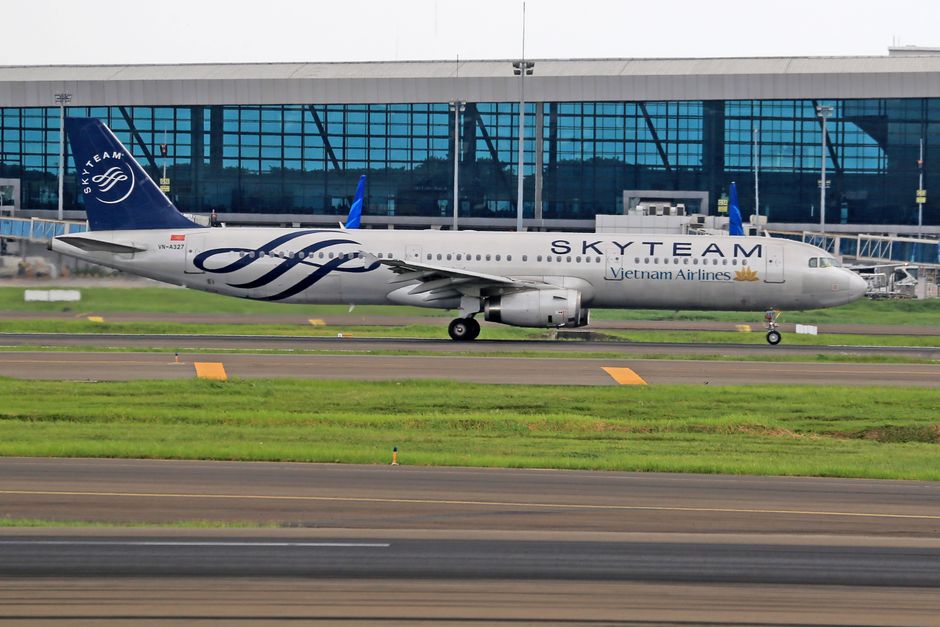

Phase 2 at a Glance: Scope, Timeline, Owner, and Budget Signals
Phase 2 centers on two marquee assets: Terminal 2, designed to process approximately 25 million passengers per year, and a third runway stretching 4,000 meters to accommodate wide-body, long-haul aircraft. Together with expanded aprons, MRO facilities, and dedicated cargo zones, these additions will push Long Thanh’s combined capacity to around 50 million passengers annually, a dramatic leap from Tan Son Nhat’s current bottleneck of roughly 38 million.
- Owner/Investor: Airports Corporation of Vietnam (ACV), coordinating with key ministries and Dong Nai authorities.
- Timeline: Early design and procurement ramping up in 2025–2026; site mobilization from 2027; staged commissioning late 2020s.
- Dependencies: Land clearance, utility installation, and supply-chain stability will shape final delivery dates.
- Budget signals: Phase 1 exceeds USD 4.5B; Phase 2 expected on a comparable multi-billion scale as airside, tech systems, and access links advance..
What This Means for Airlines, Routes, and Travelers
Adding a third runway unlocks slot relief and operational flexibility that Tan Son Nhat simply cannot deliver. Airlines will schedule larger-gauge aircraft, launch nonstops to North America and Europe, and expand frequencies to regional hubs across Asia and the Middle East. Industry forecasts suggest that Long Thanh could eventually capture 80% of international arrivals bound for Ho Chi Minh City, reshaping route networks and competitive dynamics across the Southern Key Economic Region.
For travelers, the experience will be night and day:
- Modern immigration halls, premium lounges, and streamlined baggage systems in Terminal 2.
- Improved ground access via a dedicated expressway linking Long Thanh to central Ho Chi Minh City—about 40 minutes, with tolls around USD 2–3.
- Future rail connections on the drawing board for faster, greener transfers.
Aviation capacity will ramp in stages. Phase 1’s single terminal and dual runways will handle the initial 25 million passengers post-2026; as carriers certify operations and slot allocations stabilize, frequencies will rise. Once Phase 2 comes online in the late 2020s, expect new entrants, long-haul launches, and stronger on-time performance.
Regional and Economic Impact: Dong Nai and the Southern Key Economic Region
Long Thanh’s expansion is a catalyst for the entire Southern Key Economic Region. Dong Nai province is already witnessing a wave of logistics-park development, industrial real-estate transactions, and hospitality projects clustering around the airport footprint. Job creation spans construction trades, airport operations, cargo handling, retail, and professional services—tens of thousands of roles over the next five years.
The Vietnam infrastructure flywheel extends beyond aviation. New expressways and ring roads will decongest Ho Chi Minh City’s arteries, cutting travel times for goods and people. Tourism arrivals should climb as long-haul carriers add capacity, while FDI in manufacturing and services accelerates with reliable air-freight links. For those eyeing property opportunities.
Sustainability and community planning remain critical. Noise-corridor zoning, land-use master plans, and public-transport integration will determine whether growth is inclusive or disruptive. Local authorities are engaging stakeholders to balance economic gains with livability—a lesson learned from Tan Son Nhat’s troubled expansion history. Businesses aligned with the airport supply chain, from freight forwarders and hotel developers to IT service providers and healthcare networks, should monitor tender schedules and partnership opportunities.
Navigating the Transition: Timelines, Access, and What to Watch
For travelers and expats, the key question is when to expect seamless operations. Phase 1 commercial launch in late 2026 will mark the start, with a gradual transition as airlines shift routes from Tan Son Nhat. Early adopters may encounter teething issues—testing and commissioning snags—and evolving ground-access options. By 2027–2028, operations should stabilize, frequencies will multiply, and the third runway and Terminal 2 groundwork will be well underway.
Airlines are already positioning. Flag carriers and LCCs are negotiating slots, planning fleet upgrades, and mapping new long-haul pairs. Cargo operators view Long Thanh as a game-changer for cold-chain logistics, e-commerce fulfillment, and high-value manufacturing exports. Investors in adjacent sectors—hospitality, industrial parks, and professional services—are drafting market-entry strategies around the airport’s phased rollout.
Risks to watch:
- Complex land acquisition and utility relocations.
- Volatility in global supply chains for specialized airport equipment.
- Regulatory approvals for Phase 2 designs, environmental assessments, and financing packages.
Staying informed through credible sources and local networks is essential for anyone with a stake in the outcome.
Your Next Steps
Long Thanh Airport’s accelerated Phase 2 sets up Vietnam’s next decade of growth—delivering the aviation capacity, reliability, and international gateway that Southern Vietnam has long needed. Whether you’re planning a move to Dong Nai, expanding business operations in Ho Chi Minh City, or mapping your next Southeast Asia adventure, understanding this airport expansion and its broader Vietnam infrastructure implications will keep you ahead of the curve.