


Ho Chi Minh City Expat Guide 2026: Best Districts, HCMC Cost of Living, and Vietnam Expat Life

Why Every Expat Is Talking About HCMC Right Now
Vietnam’s largest city is quietly becoming Southeast Asia’s expat darling. While Bangkok wrestles with rising rents and Singapore remains eye-wateringly expensive, Ho Chi Minh City offers something rare in 2025: authentic Asian energy without the heart-attack price tag. Digital nomads, remote professionals, retirees, and families are all landing in Saigon, drawn by stable internet, excellent street food, and monthly budgets that leave room for actual savings.
This ho chi minh city expat guide cuts through the noise with everything you need to settle smoothly in 2026. You’ll discover the best districts ho chi minh city has to offer matched to your lifestyle, a realistic HCMC cost of living 2026 breakdown in USD, plus essential intel on visas, healthcare, and the rhythm of daily vietnam expat life. Expect $900 to $1,800 monthly for a comfortable single lifestyle, with rent your biggest variable and food your happiest surprise. Living in saigon expats already know: this city rewards those who embrace the chaos.

Best Districts Ho Chi Minh City: Where to Plant Your Flag
HCMC sprawls across 24 districts, but five neighborhoods dominate the expat conversation. Each has distinct character, rent profiles, and trade-offs. Your district choice shapes your entire experience, so choose wisely.
District 1 and District 3: Central Action and Walkability
If you crave urban energy and Friday nights that end at dawn, these twin hearts of old Saigon deliver. District 1 clusters rooftop bars, colonial architecture, Ben Thanh Market, and enough international restaurants to satisfy any craving. District 3 sits just north with quieter tree-lined streets, excellent banh mi stands, and proximity to everything. The downside? Motorbike exhaust, construction noise, and tight sidewalks that turn every walk into an obstacle course.
Rent here reflects the convenience. Modern one-bedroom serviced apartments in D1 run $700 to $1,200 monthly, while spacious two-bedroom units with balconies command $1,200 to $2,000. District 3 shaves 10 to 15 percent off those figures if you hunt carefully. Expect 24-hour security, fast elevators, and gym access in newer towers. The Vietnam real estate market in central HCMC favors landlords, but paying six months upfront often unlocks 10 to 15 percent discounts.
District 2 Thao Dien: The Expat Village You Either Love or Avoid
Thao Dien has become shorthand for international living in Saigon. Leafy lanes overflow with specialty coffee roasters, yoga studios, organic grocers, and Saturday farmer’s markets where half the crowd speaks English. International schools cluster nearby, making this the default choice for families. The expat bubble is real, which means you can live here for years without learning more than five Vietnamese phrases.
One-bedroom apartments in Thao Dien range from $600 to $1,000, while family-sized two- and three-bedroom villas or serviced apartments stretch from $1,200 to $2,200 depending on pool access and finishes. The air feels cleaner here thanks to riverside breezes and more green space. Traffic to downtown D1 can chew up 30 to 45 minutes during rush hour, but most living in saigon expats in Thao Dien rarely leave the bubble. The neighborhood has everything they need, from pediatricians to French bakeries.
District 7 Phu My Hung: Green Suburbs for Families
Phu My Hung looks like a miniature Singapore dropped into southern HCMC. Wide boulevards, manicured parks, international schools, and sprawling malls create a family-friendly oasis. Traffic moves at a civilized pace, playgrounds dot every corner, and the air quality beats the motorbike-choked center.
Rent here offers excellent value. One-bedroom apartments in gated complexes start around $550 to $900, while larger two- and three-bedroom units run $1,100 to $2,000. Many buildings include pools, tennis courts, and children’s play areas. The trade-off? You’ll need a motorbike or car since public transport barely registers. Grabbing a coffee means driving to a mall rather than strolling downstairs. If you prioritize clean air and safe cycling over spontaneous street life, D7 delivers.
Binh Thanh: Local Flavor Meets Expat Value
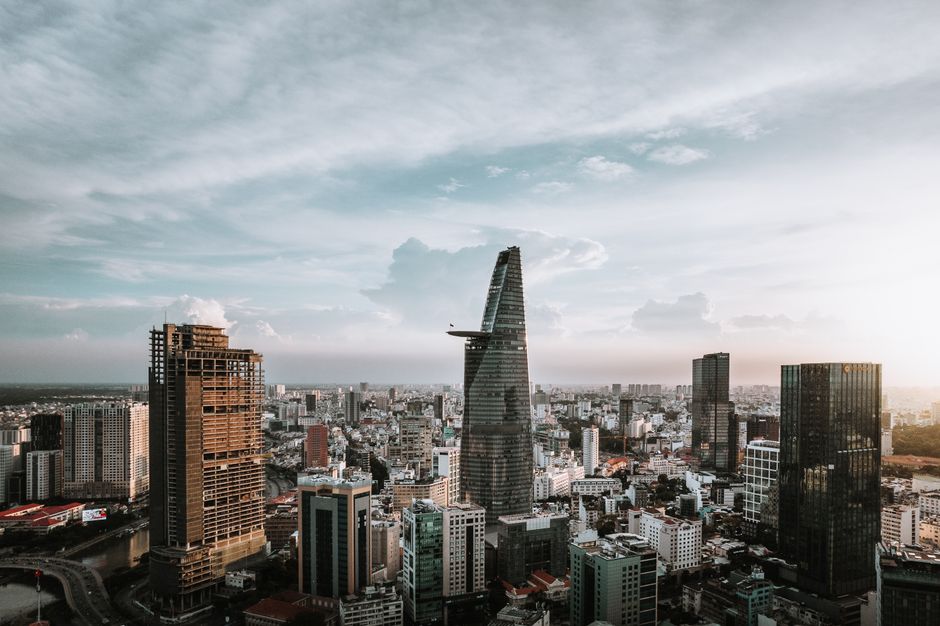
Sandwiched between Districts 1 and 2, Binh Thanh offers the best of both worlds for budget-conscious expats who still want proximity to the action. Landmark 81, Southeast Asia’s tallest building, anchors the skyline and houses luxury apartments, but the district’s backstreets remain wonderfully local. Wet markets, $2 pho joints, and neighborhood cafes dominate.
One-bedroom apartments in older buildings start as low as $450 to $800, while newer high-rises with river views command $900 to $1,400. You’ll live among Vietnamese families, which accelerates language learning and cultural immersion. The Vietnam cost of living drops noticeably here because imported goods and expat markups fade. Commutes to D1 take 15 to 25 minutes, and Thao Dien sits just across the river.
Thu Duc City: The New Frontier
In 2021, HCMC merged Districts 2, 9, and Thu Duc into Thu Duc City, creating an eastern zone earmarked for tech parks, universities, and infrastructure upgrades. The transformation continues in 2025, with new metro lines under construction and office towers rising near the Saigon River.
Rent here starts from $400 to $700 for one-bedroom apartments in developing areas, though prices near existing expat pockets like Thao Dien overlap with District 2 rates. Houses with gardens become affordable options, especially for families willing to trade proximity for space. The HCMC district guide shows Thu Duc attracting younger remote workers and startup employees who prioritize cheap rent and coworking access over established expat infrastructure.
Quick Rental Tips
- Most expats use agents who charge no tenant fees and show multiple properties in an afternoon.
- Landlords typically require one to three months’ deposit plus the first month upfront.
- Always test water pressure during your viewing, confirm Wi-Fi speeds if you work from home, and ask neighbors about noise levels.
- Paying six to twelve months in advance unlocks meaningful discounts, sometimes 15 to 20 percent off monthly rates.

HCMC Cost of Living 2026: What You’ll Actually Spend
Numbers matter more than promises, so here’s the realistic breakdown in USD for different lifestyles. The HCMC cost of living 2026 remains one of Southeast Asia’s best bargains, but only if you avoid imported wine, daily taxis, and sending kids to top-tier international schools.
Monthly Budget Snapshots
- A comfortable single expat managing a remote job spends $900 to $1,800 monthly depending on district and dining habits.
- Frugal singles can squeeze by on $650 to $900.
- Couples without children typically land in the $1,500 to $2,800 range, sharing rent and cooking at home more often.
- Families face $2,800 to $5,500 or higher once international school fees enter the equation, as tuition alone devours $6,000 to $25,000 per child annually.
Rent: Your Biggest Line Item
One-bedroom apartments in expat-friendly areas cost $450 to $1,200, while two- and three-bedroom units suitable for families run $1,100 to $2,200. Outliers exist: you can find bare-bones studios in Thu Duc for under $400, or splurge on luxury penthouses in D1 that crack $3,000. Most living in saigon expats settle somewhere between $600 and $1,400 for decent space, reliable elevators, and landlords who fix things promptly.
Utilities and Connectivity
Planning a move to Asia?
Tell us where you are now and what the move looks like. We will match you with people who have done it before and can save you the expensive mistakes.
Electricity drives utility costs, especially if you blast air conditioning from March to October. Monthly bills range from $40 to $100 depending on apartment size and your heat tolerance. Water adds another $5 to $10. Internet service delivers fast fiber for $10 to $15 monthly, with speeds hitting 50 to 100 Mbps in most buildings. Mobile SIM cards with generous data cost $5 to $10, making Vietnam one of the cheapest places on earth to stay connected.
Food: Where HCMC Shines Brightest
Local street meals, from banh mi to com tam rice plates, cost $2 to $4 and taste better than most restaurant food back home. Mid-range cafes and Vietnamese restaurants charge $7 to $12 for mains, while Western-style brunch or Italian dinners climb to $15 to $25. Groceries for a single person run $120 to $220 monthly if you mix local markets with occasional supermarket trips for cheese and cereal. Couples spend $200 to $350, while families easily hit $400 to $600 once imported snacks and organic produce enter shopping carts.
Coffee culture dominates HCMC. Expect $1.50 to $3 for excellent Vietnamese iced coffee at local spots, or $3 to $5 at expat cafes with soy milk and Wi-Fi. Beer costs $1 to $2.50 for local lagers at neighborhood joints, doubling at rooftop bars.
Transport: Motorbikes Rule
GrabBike rides across town cost $1 to $3, making them the fastest way to beat traffic. Monthly motorbike rentals run $50 to $80 for semi-automatic scooters, plus another $1 to $1.20 per liter for fuel. Parking fees add negligible amounts. If you prefer four wheels, Grab cars charge $3 to $8 for typical trips, and monthly car rentals start around $400. The metro system remains limited in 2025, though Line 1 connecting D1 to Thu Duc has eased some congestion.
Workspaces and Fitness
Coworking memberships cost $90 to $150 monthly for dedicated desks with fast internet, air conditioning, and free coffee. Hot-desking drops to $60 to $90. Gym memberships range from $15 for basic local gyms to $40 for international chains with pools and yoga classes. Outdoor running along the Saigon River or in parks remains free and popular at dawn before the heat builds.
Healthcare
Private GP consultations run $20 to $60, while dental cleanings cost $20 to $40. Quality varies, so expats gravitate toward established clinics in Districts 1, 2, and 7. Annual international health insurance starts around $400 for basic outpatient coverage and climbs to $1,200 or more for comprehensive plans including evacuation. The Vietnam healthcare system combines affordable cash payments for minor issues with insurance for serious emergencies.
International Schools: The Family Budget Wildcard
Tuition at well-regarded international schools ranges from $6,000 to $25,000 per year per child, depending on curriculum and grade level. This single expense transforms family budgets, often doubling or tripling monthly costs. Many employers include education allowances in relocation packages, making HCMC family life viable.
Money-Saving Tricks
- Paying rent six to twelve months upfront consistently unlocks 10 to 20 percent discounts.
- Turning off air conditioning overnight or using fans when possible cuts electricity bills in half.
- Shopping at wet markets instead of imported-goods supermarkets saves 30 to 50 percent on produce and protein.
- Embracing motorbikes over taxis slashes transport costs by 70 percent.
Vietnam Expat Life Essentials: Visas, Healthcare, Money, and Daily Rhythms
Beyond budgets and neighborhoods, practical details shape whether your vietnam expat life feels smooth or frustrating. Here’s what matters once you land.
Visas: Simpler But Still Evolving
Vietnam offers 90-day e-visas that most nationalities can apply for online before arrival, a major improvement over previous systems. Many remote workers enter on tourist e-visas and do periodic border runs to neighboring countries, though this gray area carries risk if you stay years without formal residency. Expats with employment contracts typically secure temporary residence cards valid one to two years through their sponsoring company. Business owners can apply for investor visas if they register local entities. Rules shift frequently, so always check the Vietnam visa guide before booking flights.
Healthcare: Cash and Cards
Public hospitals serve locals well but lack English-speaking staff and modern equipment expats expect. Private facilities in Districts 1, 2, and 7 handle everything from vaccinations to minor surgeries with decent quality. Serious emergencies often mean medical evacuation to Bangkok or Singapore, which makes comprehensive insurance non-negotiable. Cash payments work for most consultations and prescriptions, keeping costs transparent and low. Pharmacies stock common medications over the counter, though expats with chronic conditions should bring several months’ supply while establishing local doctors.
Banking and Money Transfers
Vietnamese banks allow foreigners to open accounts with valid visas and proof of address, unlocking lower ATM fees and easier rent payments. International transfers carry high fees at traditional banks, so most expats use online services for better exchange rates and faster processing. Cash remains king at street vendors and small shops, while cards work at malls, hotels, and expat-oriented restaurants. ATMs charge $2 to $5 per withdrawal, adding up quickly if you pull money weekly.
Safety: Traffic and Petty Theft
HCMC feels safe compared to many global cities, with violent crime rare. The real dangers lurk on roads, where motorbike accidents send more expats to hospitals than anything else. Always wear helmets, drive defensively, and avoid riding after drinking. Petty theft happens, especially phone snatching by motorbike riders cruising past distracted pedestrians. Keep bags secure, avoid flashing expensive electronics, and use Grab for late-night transport rather than walking dark streets.
Culture and Daily Living
Learning basic Vietnamese phrases like hello, thank you, and how much earns smiles and better service everywhere. Noise pervades HCMC life from construction sites, motorbike horns, and karaoke bars, so quality earplugs become essential. Air quality fluctuates seasonally, worsening during dry months when pollution and dust combine. Internet speeds remain excellent across the city, making remote work seamless for living in saigon expats who depend on video calls and cloud services.
Community and Social Life
Expat hubs in Thao Dien, Phu My Hung, and Binh Thanh host regular meetups, language exchanges, and sports leagues. Coworking spaces double as social centers where freelancers and remote workers swap tips over coffee. Facebook groups connect newcomers with housing leads, visa advice, and weekend activity suggestions. The expat community remains welcoming but insular enough that intentional effort helps you break into established friend circles. Joining hobby groups from photography walks to ultimate frisbee accelerates connections.
Making HCMC Home in 2026
The best districts ho chi minh city offers cater to every preference, from Thao Dien’s expat comforts to Binh Thanh’s local immersion. The HCMC cost of living 2026 remains affordable enough to save money while enjoying excellent food, travel throughout Southeast Asia, and build a genuine social life. Vietnam expat life rewards those who embrace motorbikes, street food, and tropical weather with authentic experiences and monthly budgets unthinkable in Sydney or San Francisco.
For deeper planning, grab the free Vietnam Country Guide packed with USD budget templates, neighborhood maps, visa updates, and move-in checklists. Whether you’re testing HCMC for three months or committing for years, this city offers space to grow, work remotely, and live well without the financial stress that haunts expats in pricier Asian hubs.
Still weighing up your visa options?
Tell us your nationality, your plans and how long you want to stay. We will put you in touch with immigration specialists who handle these applications daily.


