


Safest Countries in Asia for Expats 2026: Our Asia Safety Index and Where to LiveIf you’re weighing a move to Asia, understanding which destinations offer the most security matters just as much as finding great food or affordable rent. This guide to the safest countries in Asia for expats 2026 summarizes where foreigners feel most secure right now, backed by current data and real-world trade-offs.

Safety for expats goes beyond low street crime. Political stability keeps your residency secure and your investments protected. Quality healthcare means you won’t face surprise medical bills or language barriers in emergencies. Disaster readiness, from earthquake protocols to flood defenses, protects your home and family. Finally, cultural and legal clarity ensures you understand local norms without stumbling into costly mistakes.

How the Asia Safety Index 2026 Works
To cut through the noise, we built the Asia Safety Index 2026, scoring countries on five equal pillars: crime and personal security, political stability, healthcare quality and access, natural disaster readiness, and expat-friendliness including English support. We cross-checked government crime statistics, World Bank governance indicators, hospital rankings, disaster-preparedness reports, and expat sentiment surveys.
- Crime & Personal Security: day/night safety, theft and assault prevalence.
- Political Stability: rule of law, policy predictability, protest risk.
- Healthcare: hospital quality, English access, costs and insurance compatibility.
- Disaster Readiness: infrastructure resilience and response capability.
- Expat-Friendliness: visas, language support, and community integration.
“Safe” isn’t only the absence of danger, it’s the presence of systems that protect your time, money, and peace of mind.

Tier 1: Consistently Safest Countries in Asia
Singapore remains the safest Asian country to live in. Violent crime is almost nonexistent, with a 2026 homicide rate of 0.2 per 100,000 people. Efficient policing, extensive CCTV coverage, and strong rule of law mean expats rarely worry about theft or assault. Healthcare is world-class; major hospitals like Singapore General and Mount Elizabeth offer English-speaking staff and cutting-edge treatments. The trade-off is cost: one-bedroom apartments in the city center run $2,000 to $3,500 USD per month, and strict laws mean chewing gum bans and hefty fines for littering are real. Still, for families and professionals who prioritize all-around security, our Singapore Country Guide walks through visas and neighborhoods in detail.
Japan combines ultra-low crime with exceptional disaster preparedness. Tokyo’s 2026 crime index sits at 18 out of 100, meaning petty theft is rare and violent incidents rarer still. Earthquake-resistant buildings, public alert systems, and community drills make the country a model for disaster readiness, though earthquakes and typhoons do occur. Healthcare is universal and affordable; a doctor visit costs around $20 USD with national insurance. Rent in Tokyo ranges from $900 to $1,800 for a one-bedroom, and learning basic Japanese smooths daily life. Check our Japan Visa Guide for long-stay permit options.
Taiwan offers a friendly, open society with a robust universal healthcare system. Taipei’s streets feel safe at night, violent crime is minimal, and the national health insurance plan covers expats after six months of residency. Typhoons hit the island each summer, but modern infrastructure and early-warning systems limit damage. Monthly rent in Taipei runs $700 to $1,300, and while Mandarin helps, younger Taiwanese often speak English. Discover enrollment steps in our Taiwan Healthcare Guide.
South Korea features low crime, extensive CCTV networks, and reliable public transport. Seoul feels safe around the clock, and hospitals like Samsung Medical Center rank among Asia’s best. The trade-off is a fast-paced work culture that can stress newcomers, and navigating government offices without Korean can be tricky. Rent in Seoul costs $900 to $1,800 per month for a one-bedroom. Our South Korea Country Guide covers residency permits and city comparisons.
These four nations consistently rank as the best countries in Asia for expat safety, blending low crime with top-tier healthcare and clear legal frameworks.

Planning a move to Asia?
Tell us where you are now and what the move looks like. We will match you with people who have done it before and can save you the expensive mistakes.
Regional Standouts and Tier 2 Picks
Hong Kong remains one of the safest cities globally, with near-zero violent crime and excellent healthcare through public and private systems. The trade-off is cost: rent exceeds $2,000 to $3,500 per month, and recent political changes have shifted the expat landscape. Still, for finance professionals and those valuing urban safety, Hong Kong ranks high. Read our Hong Kong Relocation Guide for current visa rules.
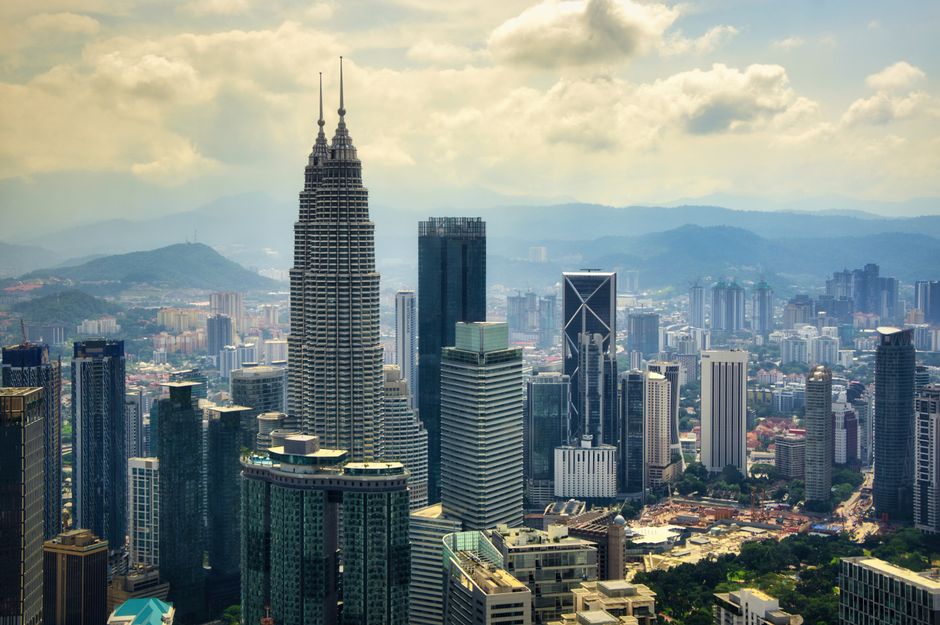
Malaysia offers strong expat hubs in Kuala Lumpur and Penang, where neighborhoods like Mont Kiara feel secure and international. Petty crime exists in crowded markets, but violent incidents are rare. Healthcare quality varies; private hospitals in KL rival regional standards, and English is widely spoken. Rent in Kuala Lumpur costs $600 to $1,200 monthly, making Malaysia one of the most affordable safe countries in Asia for foreigners. Our Malaysia Country Guide details retiree visa options.
Brunei is ultra-safe and conservative, with minimal crime and a quiet lifestyle. Job opportunities and nightlife are limited, so retirees or remote workers fit best. Rent runs $700 to $1,300 per month. Explore our Brunei Country Guide for residency requirements.
- Urban families: Singapore and Japan for schools, healthcare, and infrastructure.
- Business-hub nomads: Singapore, the UAE, and Hong Kong for networking and flight connectivity.
- Budget retirees: Taiwan, Malaysia, and select areas in Oman for value and reliable care.
Applying the Asia Safety Index to Your Move
Start by shortlisting three to five cities that match your budget and lifestyle. Dive deeper into neighborhood crime data using local police apps or expat forums. Google Street View can show you street lighting, building quality, and commute routes before you book a flight.
Visa and residency pathways vary widely. Digital nomad visas, retirement permits, and work sponsorships each carry different requirements. Budget $3,000 to $6,000 USD for initial setup: rental deposits, basic furniture, a local SIM card, and transit passes add up fast. Singapore and Japan demand higher proof-of-funds; Malaysia and Taiwan are more forgiving.
International health insurance costs $1,000 to $3,000 USD per adult per year, depending on coverage and age. Verify that your plan includes hospitals in your chosen city and offers English-language support. In countries with universal systems like Taiwan and Japan, enrolling in national insurance after arrival can lower costs significantly.
Daily safety habits matter everywhere. Familiarize yourself with local laws, especially around alcohol, dress codes, and public behavior. Cashless payments reduce theft risk; apps like GrabPay in Malaysia or Paytm in parts of Asia streamline transactions. Save emergency numbers, your embassy contact, and the nearest hospital address in your phone. Use official transport apps, avoid unlicensed taxis, and share your location with a trusted friend when exploring new areas.
Final thought: Weaving together data from the safest countries in Asia 2026 rankings with your personal priorities ensures you land in a low-crime country that also matches your career goals, family needs, and budget. The most stable countries in Asia offer more than just security; they provide the infrastructure, healthcare, and community support that turn a short assignment into a long-term home.
Still weighing up your visa options?
Tell us your nationality, your plans and how long you want to stay. We will put you in touch with immigration specialists who handle these applications daily.


