Penang: A Cultural Paradise and Coastal Haven in Malaysia
Penang, often nicknamed the Pearl of the Orient, is a Malaysian state that uniquely blends heritage charm with modern coastal living. Centered around Penang Island on the country’s northwest coast, it has long been a magnet for travelers, retirees, and expats seeking an easygoing tropical lifestyle. This island-state boasts a rich multicultural history, world-famous cuisine, and picturesque beaches – all wrapped in an affordable, cosmopolitan package. It’s no surprise Penang consistently ranks among the top lifestyle destinations in Southeast Asia, offering an enticing mix of culture, affordability, and coastal living. In this overview, we explore what Penang caters to and why so many are keen to call it home, from its vibrant daily life to the practicalities of home buying and living on the island.

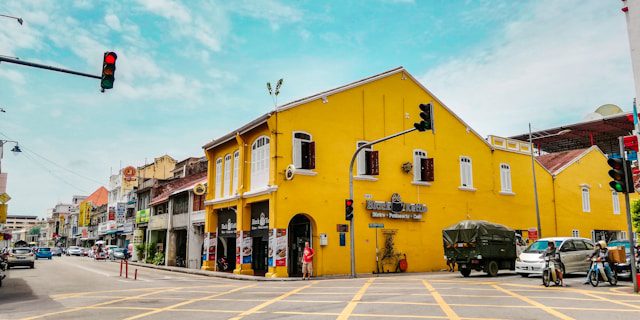
Penang’s Lifestyle Appeal – Heritage, Food & Easy Living
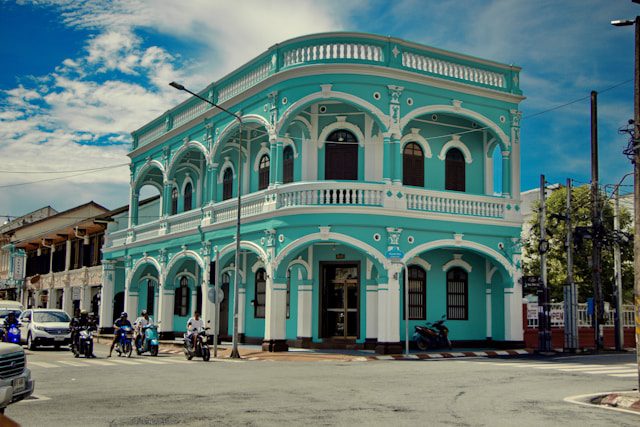
Penang’s appeal begins with its incredible quality of life. The island is known for a relaxed pace that stands in contrast to busier Asian capitals. Many of its historic districts – especially George Town, the capital city – are UNESCO World Heritage sites where British colonial architecture and colorful shophouses are lovingly preserved. Strolling these streets, you’ll find ornate temples next to street art murals, old-world charm buzzing alongside trendy cafés. This rich cultural heritage gives Penang a distinctive character, attracting those who appreciate history and the arts. Yet daily life here is far from stuck in the past. Penang offers modern comforts and infrastructure: reliable utilities, high-speed internet, and even safe tap water in the city. English is widely spoken and understood, making it easy for newcomers to settle in and connect with locals. The local population is famously friendly and tolerant, reflective of Malaysia’s diverse mix of Malay, Chinese, Indian and other communities – a cosmopolitan vibe that welcomes foreign residents with open arms.
One of Penang’s biggest claims to fame is its legendary food scene. In fact, Penangites proudly consider their state the food capital of Malaysia (if not the world). From sizzling street hawker stalls to heritage cafés, the island serves up an endless array of cuisines – spicy Malay curries, Chinese dim sum, Indian roti canai, and unique Peranakan dishes – all at affordable prices. Expats and locals alike relish Penang’s excellent street food and local cuisine, often cited as the best in Southeast Asia. Eating out is not only delicious but inexpensive, which adds to the affordability of the lifestyle here. In general, the cost of living in Penang is lower than in Kuala Lumpur, Malaysia’s capital, while still providing a high quality of life. Day-to-day expenses – from market groceries to hiring a cleaner or grabbing a Grab (ride-share) – are budget-friendly, meaning retirees on fixed incomes or digital nomads earning foreign salaries find they can live very comfortably. Penang Island is slightly pricier than Malaysia’s rural mainland, but remains very affordable by global standards. For example, local meals might cost only a few U.S. dollars, and monthly costs often come out to a fraction of what one would spend in Western countries. This value-for-money lifestyle is a major draw for long-term residents.
Beyond food and finances, Penang caters to a wide range of lifestyles. Love sun and sand? Penang’s northern coast, around Batu Ferringhi and Tanjung Bungah, offers palm-fringed beaches, water sports, and resort-style condos – perfect for those seeking a tropical island vibe. Crave culture and community? George Town provides arts festivals, museums, and a vibrant café scene amid its heritage streets. The island also has green escapes like Penang Hill and national parks for hiking, so outdoor enthusiasts aren’t left out. Importantly, Penang manages to be both lively and laid-back. There’s a thriving social scene with weekly events, social clubs, and meet-ups that make it easy for newcomers to find friends and hobbies. At the same time, the overall atmosphere remains safe, family-friendly, and relatively tranquil. Crime rates are low – Malaysia is generally considered a safe country for expats – and Penang in particular is known as a “diverse, safe and healthy” destination. The presence of several international schools and quality private hospitals also makes it appealing for families and retirees alike. Many expats praise Penang’s blend of modern convenience and traditional charm, noting that one can enjoy cosmopolitan amenities (malls, cinemas, Western grocery items) without losing the simple pleasures of island life.

Thinking about buying in Asia?
Tell us the budget, the area and roughly when you want to move. We will come back with straight answers from people who work this market every day.
Living in Penang – Home Buying and Daily Life
Thanks to its attractive lifestyle, Penang has also emerged as one of Southeast Asia’s most popular real estate markets among foreign homebuyers. Living here long-term is relatively straightforward for foreigners. Malaysia is notably welcoming in its property and visa policies compared to many Asian countries. For instance, foreigners are allowed to own freehold property in Malaysia, including land and houses in many cases, which is a rarity in the region. This openness – combined with Malaysia’s well-developed legal framework and low entry prices – makes investing in a home in Penang very enticing to expatriates. That said, there are a few rules and thresholds to navigate. In Penang state, foreign buyers must typically meet a minimum purchase price of RM1 million (around US$240,000) for property acquisitions.
This rule is designed to protect local affordability, but it still leaves plenty of options on the market for overseas buyers. In practice, most desirable condos on the island are above that price point anyway. Foreigners are also restricted from buying certain heritage or Malay-reserved properties – for example, the classic century-old shophouses in George Town’s protected core often aren’t open to foreign ownership.
Aside from these caveats, the buying process is quite straightforward with the help of a local agent and lawyer. Malaysia even offers long-term residency visas (such as the Malaysia My Second Home, or MM2H, program) to qualifying investors and retirees, making it feasible to settle in Penang indefinitely. In fact, recent changes to these visa programs have spurred a boom in interest: between late 2024 and mid-2025, the revamped MM2H scheme received over 3,000 applications in just nine months – a clear sign of the demand from people worldwide eager to move to Malaysia. This surge is effectively a waiting list of new would-be residents, drawn by the country’s inviting climate and lifestyle. With such demand, Penang stands out as a top choice within Malaysia for many of these newcomers, given its mix of island beauty and urban amenities.
Thinking about a move to Malaysia? Join the Malaysia Move Waiting List to receive insider guidance on visas, housing, and lifestyle.
Buying a Home in Penang
For those looking to buy a home in Penang, the market offers something for every taste – from luxury high-rise condos to quaint suburban houses. Property prices here are quite reasonable by international standards. As of recent data, typical condominium units range roughly from RM400,000 (about $95,000) on the budget end up to around RM1–2 million ($240k–$480k) for newer sea-view condos, and even RM5 million+ ($1.2M) for the most premium penthouses.
Landed houses and upscale villas can go higher (some multi-million dollar estates exist), but one can still find a comfortable family home or spacious modern condo for far less than in comparable coastal hotspots like Singapore or Hong Kong. In fact, Penang’s median home price is around RM595,000 (~$125,000) with an average transacted price of about RM520 per square foot – a fraction of costs in Western cities. Rental yields are healthy too; apartments in Penang average around 5–6% annual rental yield in many areas, reflecting solid rental demand from locals and expats. This means property owners can earn decent income if they decide to rent out their units, for example when they’re away. Demand remains strong, especially for properties that play to Penang’s strengths – beachfront condos with ocean views and characterful heritage homes are particularly sought after.
Real estate experts note that Penang’s housing market showed impressive resilience in recent years. In the first half of 2023, Penang’s residential property market recorded about 5.6% annual price growth – the second-best in Southeast Asia at that time. This growth has been attributed to ongoing government infrastructure projects, foreign investment interest, and the island’s overall appeal. In other words, values have been trending up steadily, but without the wild volatility seen in some emerging markets. Buyers here feel a sense of stability.
Get the full picture in our Penang Real Estate Overview – a complete breakdown of neighborhoods, property types, and buying tips.

Where to Live in Penang
When choosing where to live in Penang, most expats gravitate to a few key areas. George Town itself offers condos and some landed homes close to the historic city center – great for those who want cultural events, cafes, and nightlife on their doorstep. Adjacent to downtown is Gurney Drive, an upmarket seafront boulevard famed as “Millionaire’s Row” for its luxury high-rises and swanky mansions.
Gurney Drive’s prime location (beachfront and walking distance to town) commands the highest prices on the island, and it remains a favorite address for well-heeled locals and expats alike. Moving up the coast, areas like Tanjung Tokong and Tanjung Bungah have developed into expat-friendly enclaves with many modern condos, gated communities, and amenities like international groceries. These neighborhoods lie between the city and the beaches – offering a balance of convenience and resort-like tranquility.
Further west, Batu Ferringhi is known for its white sandy beaches and 5-star resorts. It also has upscale homes tucked in the hills and along the shore. Living in Batu Ferringhi or nearby means you’ll enjoy a more purely “beach town” vibe, with night markets, seafood restaurants, and ocean sunsets nightly – though it’s a bit farther from some city conveniences. Not to be overlooked, Penang’s mainland portion (around Butterworth) and the southern part of the island host manufacturing hubs and campuses (Penang is a high-tech manufacturing base for electronics, earning it the nickname “Silicon Island”).
These areas are more local in flavor, often preferred by those working in industry, but they too contribute to Penang’s dynamic property scene. Overall, whether one seeks a luxury condo with a Straits of Malacca sea view or a quiet suburban family home, Penang’s property market delivers – and at prices that remain very attractive for the quality of life on offer.
Ready To Make The Next Move?
If you’re inspired by the idea of living in Penang, now is the perfect time to explore further:
-
Get the full picture in our Penang Real Estate Overview – a complete breakdown of neighborhoods, property types, and buying tips.
-
Compare Penang with other hotspots in our Best Coastal Real Estate Markets in Southeast Asia feature.
-
Thinking about a move to Malaysia? Join the Malaysia Move Waiting List to receive insider guidance on visas, housing, and lifestyle.
Penang combines heritage charm with modern living in a way few places can. Whether you’re dreaming of a sea-view condo, a colonial-era home, or simply a slower pace of life, this island offers a welcoming path into Southeast Asian living.
Thinking seriously about moving to Asia?
Tell us where you are now and what the move looks like. We will match you with people who have done it before and can save you the expensive mistakes.