Best Cities in Asia for Digital Nomads 2026: Bangkok vs Bali, Chiang Mai vs Da Nang, plus a Kuala Lumpur Digital Nomad Guide

Why Asia Still Dominates the Digital Nomad Map in 2026
Over 38 million people worldwide now identify as location-independent workers, and a growing share is choosing Asia for one simple reason: nowhere else delivers this combination of affordability, connectivity, and quality of life. In 2026, Asia’s digital nomad infrastructure has matured beyond trendy coworking cafés. Countries now offer multi-month e-visas, fiber internet reaches remote islands, and mobile eSIM plans deliver 5G speeds at a fraction of Western costs.
If you’re weighing the best cities in Asia for digital nomads 2026, you’re spoiled for choice. Thailand, Indonesia, Vietnam, and Malaysia each offer distinct flavors of remote work life, from Bangkok’s BTS efficiency to Bali’s beachfront villas, Chiang Mai’s café-studded lanes to Da Nang’s surf breaks, and Kuala Lumpur’s underrated cosmopolitan ease. This guide breaks down the top contenders using the criteria that matter most: monthly cost, internet reliability, visa friendliness, neighborhoods worth staying in, community size, safety, seasonality, and airport access.
Our shortlist for 2026 includes Bangkok, Bali with Canggu and Ubud, Chiang Mai, Da Nang, and Kuala Lumpur. Honorable mentions go to Ho Chi Minh City, Penang, Taipei, and Seoul, but the five core cities below strike the best balance of value and lifestyle.
Quick picks by need:

- Fastest big-city living with world-class transit: Bangkok
- Best surf, wellness, and villa scene: Bali
- Cheapest café life with walkable charm: Chiang Mai
- Beach-city balance with a growing tech vibe: Da Nang
- Best underrated hub with global connections: Kuala Lumpur
Bangkok vs Bali for Digital Nomads: City Efficiency Meets Coastal Lifestyle
Choosing between Bangkok and Bali is one of the most common dilemmas for Asia-bound nomads, and for good reason. These destinations sit at opposite ends of the lifestyle spectrum yet both rank among the best cities in Asia for digital nomads 2026.
Vibe and Daily Life
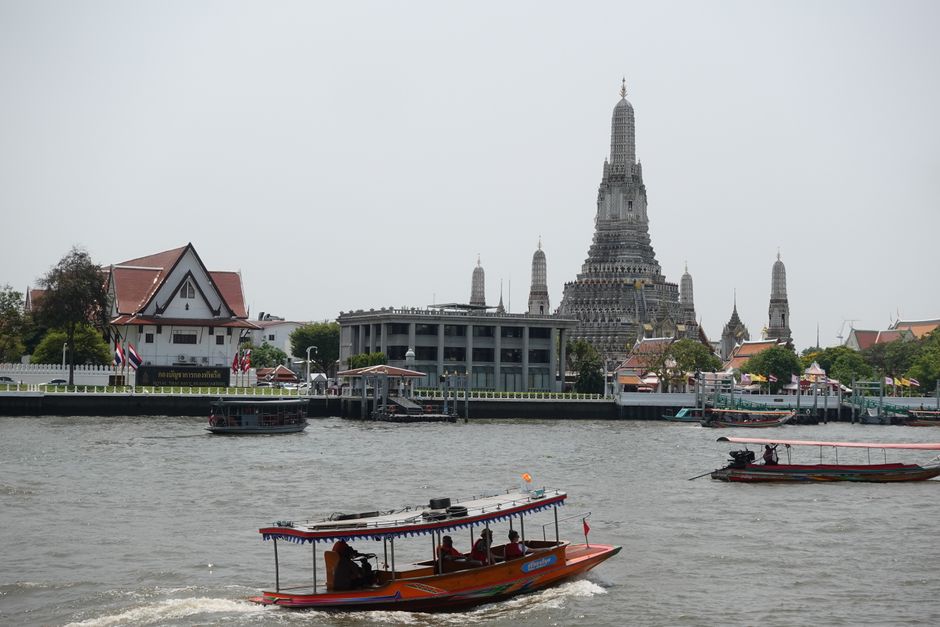
Bangkok is a vertical, hyper-connected metropolis. You’ll navigate gleaming BTS Skytrain lines, work from rooftop cafés overlooking the Chao Phraya River, and choose between street-cart pad thai or Michelin-starred fine dining within the same kilometer. It’s efficient, loud, and endlessly stimulating.
Bali trades skyscrapers for rice paddies and swells. Life here revolves around scooter rides to beach clubs, morning yoga in open-air shalas, and late afternoons at co-working spaces with ocean views. It’s slower, greener, and heavily wellness-focused.
Cost of Living
For a comfortable solo setup, expect to spend $1,500 to $2,500 per month in Bangkok. That covers a modern one-bedroom in Thonglor or Ari, coworking or café passes, daily meals mixing street food and sit-down restaurants, occasional BTS rides, and weekend entertainment.
In Bali, budget $1,200 to $2,200 monthly depending on where you land. Canggu and Seminyak push the upper range with pricier villas and imported goods; Ubud and quieter pockets of Sanur drop costs significantly. Scooter rental runs about $50 per month, and groceries cost less if you stick to local markets.
Internet and Power Stability
Bangkok delivers consistent 5G mobile coverage and reliable building fiber, typically 300 Mbps or faster. Power outages are rare in central neighborhoods. For nomads juggling client calls and large file uploads, Bangkok rarely disappoints.
Bali has improved dramatically. Fiber reaches most co-living hubs in Canggu, Ubud, and Seminyak, and speeds hover around 100 to 300 Mbps. That said, occasional power cuts still happen, especially during wet season storms. Keep a mobile hotspot or portable eSIM backup ready, and confirm your villa or apartment has a stable connection before signing a lease.
Neighborhoods to Know
In Bangkok, digital nomads cluster around Thonglor and Ekkamai for hip cafés and nightlife, Ari for local-chic restaurants and art spaces, and Phrom Phong for family-friendly expat infrastructure and close BTS access.
In Bali, Canggu dominates the surf-and-work scene with dozens of coworking spots, beach clubs, and villa rentals. Ubud suits wellness seekers and creatives who prefer jungle quiet and yoga studios. Seminyak attracts those who want nightlife, shopping, and a polished beach vibe.
Visas and Length of Stay
Thailand currently offers 30 to 60-day visa-exempt entries for many passport holders, extendable by another 30 days at immigration. Tourist visas allow longer initial stays, and the new Long-Term Resident visa targets qualifying remote workers with higher income thresholds and multi-year validity. Check the Thailand visa guide for the latest entry rules and application steps.
Indonesia grants a 30-day Visa on Arrival, extendable once for another 30 days. The B211A visa allows up to roughly 180 days with extensions, and the Second Home Visa caters to high earners seeking longer stays. Indonesia does not yet have an official digital nomad visa, so most nomads cycle in and out or use the extended tourist options. Full details live in the Indonesia visa section.
Seasonality and Weather
Bangkok stays hot year-round, with the wettest months running May through October. Rain usually arrives in short, heavy bursts rather than all-day drizzle, so most nomads adapt easily.
Bali’s dry season stretches from April to October, delivering sunny skies and perfect surf. November through March brings heavier rain, humidity spikes, and occasional flooding in low-lying areas. Plan your stay around the dry months if outdoor activities matter to you.
Who Should Choose What
- Pick Bangkok if you value efficient public transit, a massive expat network, proximity to international clients in similar time zones, stable power for video calls, and urban energy. It’s the best Asian city for nomads who thrive on structure and speed.
- Pick Bali if you prioritize surf breaks, yoga retreats, villa living with private pools, a strong wellness community, and a laid-back pace. Accept the trade-offs in power stability and higher reliance on scooters.
When debating Bangkok vs Bali for digital nomads, it ultimately comes down to whether you want city efficiency or coastal lifestyle. Both deliver on affordability, community, and solid internet, just in radically different settings.

Chiang Mai vs Da Nang Digital Nomad: Café Culture vs Beach City Balance
The Chiang Mai vs Da Nang digital nomad debate has intensified as Vietnam’s central coast grows into a serious contender. Both cities offer excellent value, fast internet, and welcoming expat scenes, but their day-to-day rhythms differ.
Vibe and Scene
Chiang Mai has earned its reputation as the café capital of Southeast Asia. Nimmanhaemin Road alone hosts dozens of speciality coffee shops with strong Wi-Fi, comfy seating, and power outlets at every table. The Old City wraps travelers in ancient temple architecture and night markets, while Santitham offers budget guesthouses and local eateries. Life moves at a gentle, creative pace.
Da Nang brings beach energy to the remote work equation. My An and An Thuong beaches stretch for kilometers, lined with seafood shacks and smoothie bars. The Son Tra Peninsula offers green trails and ocean views, while Hai Chau city center buzzes with modern malls, rooftop bars, and riverside cafés. It’s laid-back but distinctly coastal, and the growing tech community adds a forward-looking vibe.
Cost of Living
Chiang Mai remains one of the cheapest bases in Asia. Comfortable solo living runs $900 to $1,600 per month, covering a studio or one-bedroom near Nimman, coworking or café costs, daily meals, scooter rental, and weekend temple visits or jungle treks.
Da Nang sits in a similar range at $900 to $1,500 monthly. Beachfront studios in My An cost slightly more than inland options, but even at the upper end you’ll enjoy ocean views, fresh seafood, and affordable spa treatments. Both cities let you live well on modest budgets without sacrificing comfort or connectivity.
Internet and Coworking
Planning a trip to Bangkok?
Tell us your dates, who is travelling and what you want out of it. We will come back with somewhere to stay and things worth doing.
Chiang Mai and Da Nang both deliver fast, reliable fiber. Chiang Mai’s coworking infrastructure is more mature, with established names like Punspace and dozens of independent cafés built for laptop work. Da Nang’s coworking scene has expanded quickly, with spots like Enouvo Space and beachside cafés offering strong speeds and comfortable setups.
Mobile data and eSIM options are solid in both cities, so backup internet is easy to arrange.
Neighborhoods Worth Exploring
In Chiang Mai, Nimmanhaemin serves as digital nomad central with its density of cafés, coworking, gyms, and international restaurants. The Old City appeals to those who want heritage charm and proximity to temples, while Santitham offers quieter, budget-friendly lodging.
In Da Nang, My An and An Thuong provide beachside living with cafés, gyms, and easy cycling. Son Tra Peninsula suits nomads seeking greenery and calmer surroundings, and Hai Chau downtown puts you close to the Dragon Bridge, shopping centers, and the Han River night market.
Visas and Entry
Thailand’s visa rules apply equally to Chiang Mai as they do to Bangkok: 30 to 60-day entries, extendable tourist visas, and the LTR option for qualifying applicants. See the Thailand guide for specifics.
Vietnam now offers 90-day e-visas for many nationalities with multiple-entry options, making extended stays straightforward. The process is online, approval typically takes a few days, and costs remain low. Full instructions appear in the Vietnam visa page.
Seasonality and Air Quality
Chiang Mai’s biggest drawback is burning season, which runs roughly February through April. Farmers clear fields across northern Thailand and neighboring Myanmar, blanketing the region in thick smoke. Air quality indices spike into hazardous ranges, forcing many nomads to leave temporarily or wear N95 masks outdoors. Outside burning season, Chiang Mai enjoys pleasant weather and cool evenings.
Da Nang avoids the smoke issue. Its best months stretch from March through August with sunny skies and calm seas. September through December brings typhoon season and heavier rain, though actual typhoon strikes remain uncommon. Most nomads simply plan indoor work days during wet spells.
Who Should Choose What
- Pick Chiang Mai if you love café culture, walkable neighborhoods, a tight-knit creative community, affordable living, and easy access to Thai temples and jungle adventures. Just avoid burning season or plan a visa run during those months.
- Pick Da Nang if you want beach access, coastal lifestyle, proximity to Hoi An’s lantern-lit streets and Hue’s imperial history, a growing tech scene, and freedom from seasonal smoke. It’s the best pick for nomads who blend work with surf, cycling, and seafood.
The Chiang Mai vs Da Nang digital nomad choice boils down to café culture versus beach-city balance. Both punch above their weight in value and livability, just with different backdrops.
Kuala Lumpur Digital Nomad Guide: Asia’s Underrated All-Rounder
Kuala Lumpur rarely tops flashy digital nomad lists, yet it quietly delivers one of the best overall packages in Asia. In 2026, KL combines excellent 5G infrastructure, a major international airport hub, diverse culinary scenes, high English proficiency, modern healthcare, and competitive living costs without the hype cycles of Bangkok or Bali.
Why KL Deserves Attention in 2026
Malaysia’s capital sits at the crossroads of Southeast Asia with direct flights to every major city in the region and beyond. Petronas Twin Towers still anchor the skyline, but the real draw for nomads is the blend of Malay, Chinese, Indian, and expat cultures creating one of the most food-diverse cities on earth. English is widely spoken, coworking spaces are plentiful, and the government has rolled out the DE Rantau Nomad Pass for qualifying remote workers.
Budget and Cost Breakdown
Comfortable solo living in KL runs $1,300 to $2,300 per month. That includes a modern one-bedroom apartment in Bangsar or Mont Kiara, coworking or café passes, daily meals mixing hawker centers and sit-down restaurants, LRT and Grab rides, gym membership, and weekend trips to Penang or the highlands.
Rent varies by neighborhood. Studios in central areas like KLCC or Bukit Bintang start around $600 monthly for decent quality; bump that to $800 to $1,200 for larger units or premium buildings with pools and gyms. Utilities add roughly $50, and groceries run $200 to $300 if you cook regularly.
Where to Stay and Work
Bangsar offers tree-lined streets, boutique cafés, and a relaxed vibe popular with creatives and young professionals. Mont Kiara caters to expat families with international schools, Western grocery chains, and English-speaking services. KLCC places you in the heart of the action with shopping malls, rooftop bars, and office towers, while Bukit Bintang delivers nightlife, street food, and transit connections.
Coworking options include Common Ground with multiple locations, Colony spaces in premium towers, and WORQ’s flexible memberships. Plenty of cafés also welcome laptop workers, especially around Bangsar and Damansara Heights.
Internet, SIM, and eSIM
Malaysia’s 5G rollout has been aggressive, and KL enjoys fast mobile data across all major carriers. Unlimited plans cost as little as $15 to $25 monthly, and eSIM activation is straightforward for travelers. Fiber internet in apartments typically hits 300 Mbps or higher with rare outages, making KL one of the most reliable cities for remote work in the region.
Visas and Length of Stay
Many nationalities enjoy visa-exempt entry for 30 to 90 days. Malaysia also offers an eVisa for short stays and the DE Rantau Nomad Pass designed specifically for digital nomads, requiring proof of income above a set threshold and valid for up to 12 months with renewal options. Details and application steps appear in the Malaysia visa section.
Getting Around
KL’s LRT, MRT, and Monorail lines connect most key neighborhoods, and fares remain cheap. Grab dominates ride-hailing for door-to-door convenience. Walkability varies; areas around KLCC and Bukit Bintang have improved pedestrian infrastructure, but KL as a whole leans car-centric compared to Bangkok.
Day Trips and Weekend Escapes
Penang sits a short flight or four-hour drive north, offering George Town’s UNESCO heritage streets and famous hawker food. Ipoh delivers colonial architecture and limestone caves. Genting Highlands provides cool mountain air and casinos. Langkawi’s beaches are an hour by plane. KL’s central location makes it easy to explore Malaysia and hop to neighboring countries without burning frequent-flyer miles.
Who KL Suits Best
Kuala Lumpur appeals to nomads seeking a clean, connected, multi-cultural big city without Bangkok’s intensity or Bali’s rustic edges. It’s ideal if you value diverse food, stable internet, strong healthcare, easy regional travel, and a mature expat community. The Kuala Lumpur digital nomad guide above shows it’s no longer a stopover, it’s a destination in its own right.
Your 2026 Asia Nomad Base: Final Picks and Next Steps
Asia continues to set the global standard for digital nomad value in 2026. Whether you chase urban energy, coastal calm, café culture, or cosmopolitan convenience, the region delivers infrastructure and affordability that Western hubs struggle to match.
Quick recap of the best cities in Asia for digital nomads 2026:
- For overall city convenience and world-class transit, choose Bangkok.
- For the best coastal lifestyle with surf and wellness, pick Bali.
- For budget-friendly café life and creative community, go with Chiang Mai.
- For beach-city balance and a growing expat tech scene, opt for Da Nang.
- For the best underrated hub with global connections and diverse culture, consider Kuala Lumpur.
Each city brings trade-offs in visa ease, seasonality, and daily rhythm, but all five offer fast internet, affordable living, and welcoming communities. Use the head-to-head comparisons above, match your priorities to the city profiles, and check current visa requirements through the country guides linked throughout.
Ready to dig deeper into Thailand’s housing markets, SIM card options, healthcare systems, banking setup, visa extensions, and starter budgets? Get our comprehensive Thailand Country Guide with neighborhood breakdowns, typical rents, and step-by-step visa how-tos. Sign up now at Thailand Country Guide and start planning your 2026 base with confidence.
Thinking seriously about moving to Bangkok?
Tell us where you are now and what the move looks like. We will match you with people who have done it before and can save you the expensive mistakes.