


Living Large in Ho Chi Minh City: Your Complete Guide to South Vietnam’s Lifestyle
Singapore leads the region with clear regulation, strong custody rules, and deep institutional adoption.
Hong Kong has reopened its crypto market with licensed exchanges and retail access, pulling capital back in.
Dubai continues to attract founders with zero income tax and fast-track licensing, while Seoul and Tokyo anchor Asia’s retail volume.
This isn’t hype — Asia now drives a major share of global trading volume, talent migration, and crypto infrastructure.

Do you think Asia will overtake the US as crypto’s center of gravity? Comment your thoughts.
: Your Complete South Vietnam Lifestyle Guide
Geography, Climate, and the Megacity Vision
Ho Chi Minh City sits at the energized confluence of tradition and ambition in southern Vietnam’s Mekong Delta. Locals call it Saigon, especially for the lively downtown. The tropical savanna climate alternates between:
- Dry season (December–April): Highs up to 35°C; humidity drops, sun dominates.
- Wet season (May–November): Afternoon monsoons; feeling sticky comes standard.
*Don’t underestimate flooding; see our Vietnam flooding and climate damage guide for expats for risk insights.*

The megacity sprawls across 22 districts, reimagined through mergers: former districts 2, 9, and Thu Duc now form ambitious Thu Duc City, poised as a high-tech, academic, and transport powerhouse east of the Saigon River.
No corner of this city is standing still. Metro Line 1 will soon link Ben Thanh Market and Suoi Tien. Plans for further lines, new expressways and the coming Long Thanh International Airport are clear signals: HCMC aims to rival Bangkok and Kuala Lumpur as a Southeast Asian hub. For expats, that means better transit, rising real estate, and a city in perpetual evolution.
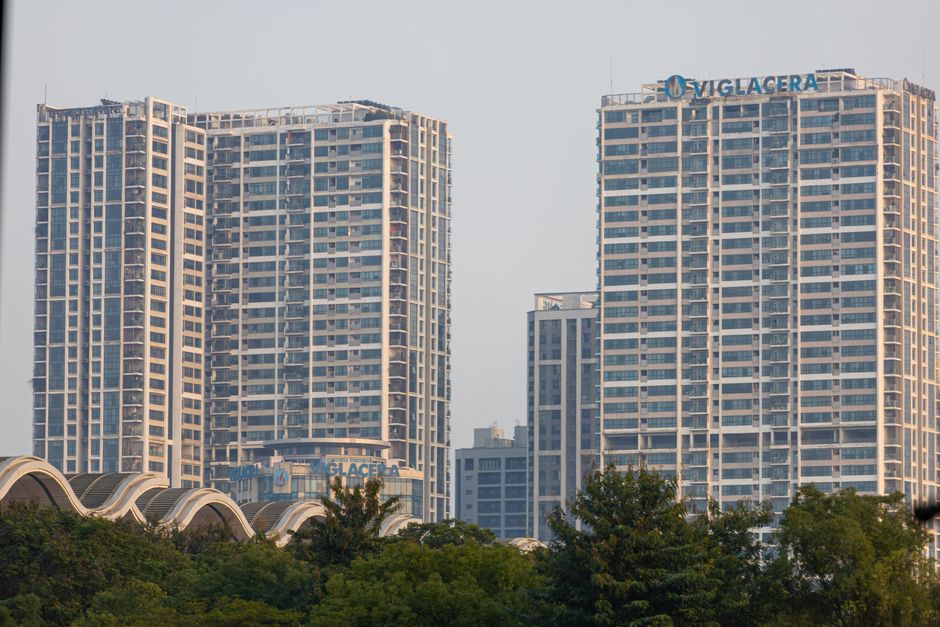
Where to Live: Neighborhoods and Housing Options
HCMC is not a city of a single center. Instead, it’s a vibrant patchwork—each district with its own flavor and expat appeal:
- District 1 — Heart of commerce, colonial charm, and nightlife. Walk to offices, museums, and the legendary Bui Vien stretch. Rents: 15–25 million VND for modern 1BR, 40M+ for larger pads with city views.
- Binh Thanh District — More authentic vibe, lower prices, and quick commutes. 8–12 million VND for older flats, up to 18M for newer condos. An up-and-coming favorite for young professionals.
- District 2 Saigon (now Thu Duc City) — The classic expat cluster. Thao Dien and An Phu: international schools, villa compounds, and organic cafés line the leafy streets. Spacious two-bed apartments run 20M+; pool villas 60M+ VND monthly. Families love the international schools and weekend farmers’ markets.
- District 7 (Phu My Hung) — Green, master-planned, family-oriented. International schools, wide boulevards, mall culture. Rents at 15–25M for high-rise twos, up to 50M+ for villas. Further from the center, but kid and pet-friendly.
- Districts 9 & Thu Duc — The new frontier for bargain hunters. Affordable (8–15M VND condos), but further from action and less international community for now—watch this space as the metro and university parks expand.
*Tip: Landlords expect 1–3 months’ deposit and a year’s lease.
Serviced apartments mean less hassle (but cost 20–30% more). Always check what’s included, utilities, repairs, and maintenance terms matter.*
Want the vibe that fits you? See our Ho Chi Minh City neighborhoods guide for real-life expat stories.
Daily Life: Costs, Food, Healthcare, Schools, and Safety
South Vietnam lifestyle means enjoying city living without breaking the bank, or sacrificing quality.
Planning a trip to Asia?
Tell us your dates, who is travelling and what you want out of it. We will come back with somewhere to stay and things worth doing.
- 1 bedroom apt (central): 15–25M VND
- Utilities: 1.5–2.5M VND
- Street food meal: 30–50K VND
- Boutique restaurant for two: 400–700K VND
- Gym: 800K (local) – 2.5M VND (intl. chains)
Grocery baskets vary wildly. Stick to local markets if you want to eat like a king on a teacher’s budget. Imported goods (cheese, wine, cereal) triple your bill—but variety is one of the quiet joys of cost of living Vietnam.
Food and HCMC nightlife? Unbeatable. Sample your way through endless bánh mì, pho, and rice plates. After dark, choose between backpacker neon, rooftop cocktails, or craft beer culture, Nguyen Hue, Pasteur Street, Bui Vien, and sleek sky bars compete for your attention.
- Cafés: pour-overs, coconut-milk lattes, or classic cà phê sữa đá for 30–100K VND
- Thao Dien and District 2: A secret haven for brunch, wine, organic eats, and chill vibes
Healthcare is solid at international clinics, FV Hospital, Family Medical Practice, Columbia Asia lead the pack. Fees start at 1 million VND per consult. Don’t skip private insurance; emergencies get expensive fast, and direct billing is a lifesaver.
International schools dominate expat education: 300M–700M VND tuition is normal for top-tier campuses (mostly District 2 & 7), with long waiting lists. Public schools rarely suit non-fluent families.
Safety? Violent crime is rare, but mind your bag and phone (especially in tourist zones and on motorbikes). Traffic is chaotic, cross with purpose and always wear a helmet!

Moving, Working, and Getting Around
Living in Ho Chi Minh City is a masterclass in adapting. Transport? Motorbikes rule, 8 million of them. Rentals from 1.5M VND/month or second-hand scooters for 10–20M VND. Don’t skip the helmet or the international license.
- Grab/Gojek ride-hail: Cheap, fast, easy
- Metered taxis: Reliable (Mai Linh, Vinasun—always check the meter runs!)
- Buses: Only for the adventurous or budget-minded; English signage limited
- Metro: Line 1 soon! The first step in taming HCMC’s infamous gridlock
Work ranges from English teaching (20–30M VND/month) to corporate mid-management (40–80M VND+). Tech, logistics, and startups flourish, coworking spaces (Toong, The Hive, Dreamplex) are bustling, and networking mixers are everywhere.
Visas are the trickiest part.
Tourist and e-visas are for short-stay only; working requires employer sponsorship, a work permit, residence card, and patience with paperwork. Old “border run” loopholes grow riskier each year. See our full Vietnam visa guide for checklists and forms.
Things to do: Blend history (War Remnants Museum, Independence Palace), culture (Chinatown’s pagodas, Ben Thanh Market), and day trips (Cu Chi Tunnels, Mekong Delta, Vung Tau beach). Don’t miss Tet New Year’s fireworks, or the joy of a simple, late-night bowl of noodles.
Find travel inspiration in our things to do in HCMC section.
Making HCMC Work for You
Ho Chi Minh City South Vietnam is a city where frenetic energy meets unexpected ease. Thao Dien and Phu My Hung offer green escapes. District 1 lets you chase the urban pulse. With costs of living far below Singapore or Hong Kong and a world-class culinary, nightlife, and culture scene, it’s easy to see why expats choose to call HCMC home, even if the humidity and traffic are constant companions.
Will the city test you? Sometimes. Traffic, paperwork, tropical rain, and adapting to the organized chaos all require a dose of humor. But if you go with the flow, HCMC’s warmth and opportunities more than repay your patience.
“Those bold enough to jump into the city’s whirlwind find friends fast, eat like royalty for pennies, and build careers that never stand still.”
Ready for more? Download our free Vietnam Country Guide for deep dives into neighborhoods, cost-of-living worksheets, and visa checklists—plus curated expat interviews and moving tips.
Sign up now for expert insights, partner deals, and all the latest on South Vietnam’s most vibrant city. Explore more on our resources: Vietnam country guide, Vietnam real estate, moving to Vietnam checklist, and Vietnam healthcare.
Thinking seriously about moving to Asia?
Tell us where you are now and what the move looks like. We will match you with people who have done it before and can save you the expensive mistakes.


