Vietnam’s Public Investment Sprint: What the 2025,2026 Disbursement Surge Means for Infrastructure and Business
Vietnam is betting big on infrastructure, and the numbers tell a compelling story. By the end of 2025, the country disbursed approximately 755 trillion VND (about $30.8 billion USD), hitting 83.7% of its ambitious annual target. Another 147 trillion VND (roughly $6.0 billion USD) rolled into late January 2026, creating a short but intense window for contractors, suppliers, and investors. Now, the public investment machine is shifting into higher gear with a 2026 capital plan totaling 1.08 quadrillion VND (around $44.1 billion USD), plus a bold pledge to slash the Incremental Capital-Output Ratio (ICOR) from 6 down to 4.5. This is the moment Vietnam’s infrastructure moves from promises to pavement.

How 2025 Disbursement Performed and What Rolled Over
Vietnam allocated a record 1.15 quadrillion VND (approximately $46.9 billion USD) for public investment in 2025,the largest single-year commitment in the nation’s history. While the 83.7% disbursement rate sounds solid on paper, the picture underneath reveals uneven progress. Some agencies and provinces raced ahead, clearing land and launching tenders on schedule. Others stumbled over familiar obstacles: drawn-out site clearance negotiations, multi-layer approval chains, and procurement red tape that stretched weeks into months.
Recognizing the drag, Hanoi deployed inspection teams in the second half of 2025, pushing laggard ministries and local governments to accelerate spending. The effort paid off with a year-end surge, yet roughly 147 trillion VND in approved funds slipped past December 31 and into late January 2026. That rollover is not wasted money. It represents a near-term catalyst for tendering and contract awards, giving businesses a brief but valuable cashflow window at the start of the year. Contractors who stayed ready with pre-qualified bids and updated compliance paperwork captured early awards, while latecomers scrambled to catch up.
“The real lesson from 2025 is that speed matters. Provinces that streamlined land compensation and standardized procurement templates finished the year well above 90% disbursement.”
Those that relied on paper-heavy, case-by-case approvals lagged in the low 70s. The 2026 playbook emphasizes upfront planning and monthly performance reviews to avoid a repeat bottleneck.

Inside the 2026 Capital Plan: Bigger Budget, Sharper Priorities
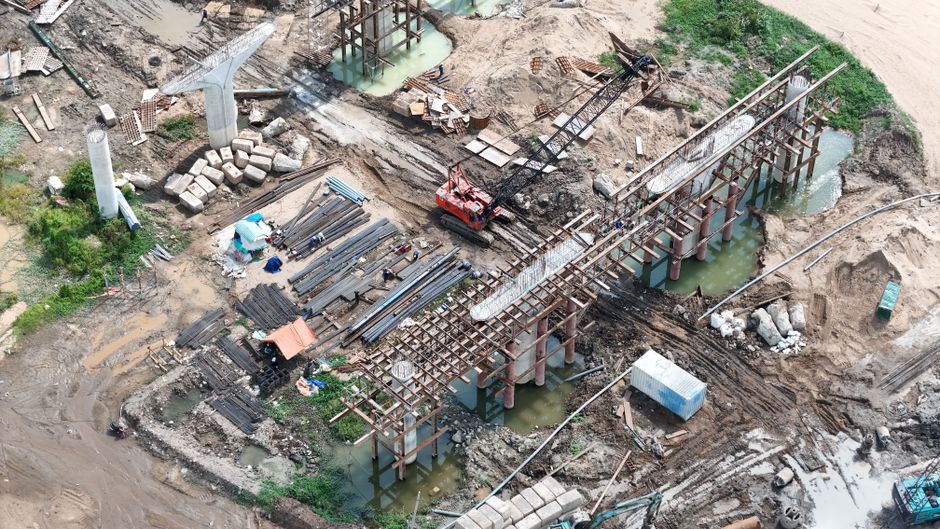
Vietnam’s 2026 capital plan of 1.08 quadrillion VND (about $44.1 billion USD) is only slightly smaller than 2025’s record allocation, but the execution strategy is markedly different. From January onward, disbursement milestones are tighter and accountability sharper. No more end-of-year scrambles,cash must move monthly.
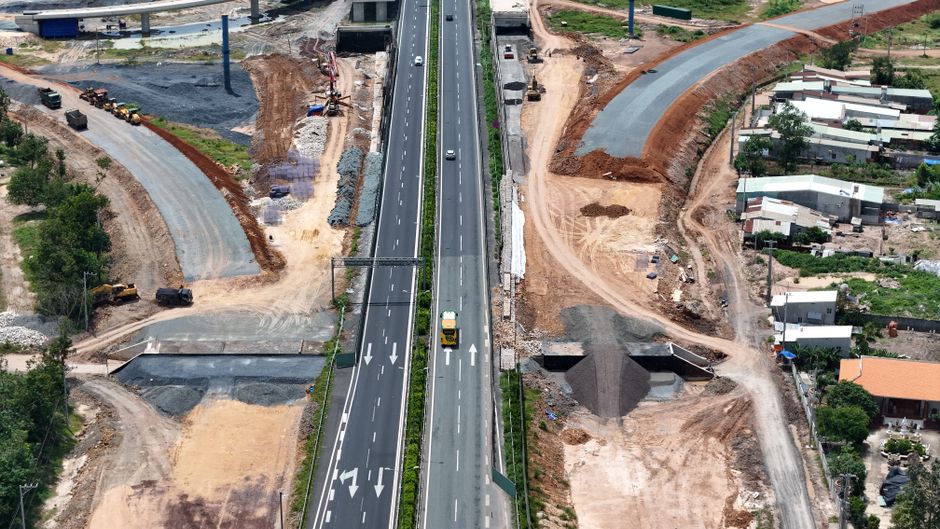
Where is the money going? National expressways remain the flagship, with the North,South Expressway and feeder corridors consuming the lion’s share. Regional logistics links, particularly those connecting industrial zones to ports, rank high as Vietnam courts manufacturing relocations and deepens supply-chain integration. Energy and grid upgrades also feature prominently,targeting renewable transmission capacity and rural electrification gaps. Digital and public service infrastructure rounds out the agenda, funding e-government platforms, healthcare IT, and education facilities in underserved areas.
Governance is getting an upgrade too. Late-2024 reforms introduced better multi-year budgeting rules; 2026 is the first full year under standardized procedures meant to cut approval cycles. Performance-based disbursement,tying fund releases to verified project milestones rather than calendar quarters,is rolling out across major transport and energy projects. The aim is simple: reward speed, punish stalling, and bring more transparency to the field.
Setting up a business in Asia?
Company structure, licences, ownership rules, tax. Tell us what you are planning and we will connect you with advisers who handle it properly.
ICOR Reduction from 6 to 4.5: Why It Matters and How It Happens
The ICOR target sounds technical, but its implications are concrete. ICOR measures how much investment is needed to generate one unit of GDP growth. A ratio of 6 means six dollars of capital are needed to produce one dollar of additional output. Lowering that to 4.5 means the same investment delivers more growth,a decisive shift from quantity to quality.
How will Vietnam get there? Four levers stand out:
- Tighter project selection: Only proposals with credible NPV and IRR make the cut; vanity projects face tougher scrutiny.
- Faster site clearance: Provinces that expedite land compensation unlock earlier starts and reduce idle capital.
- Streamlined procurement: Standard bidding templates and digital submissions compress timelines by weeks or months.
- O&M performance tracking: Not just “built,” but “building that delivers” via uptime, condition, and traffic/output metrics.
For businesses, the ICOR focus translates into action:
- Prioritize shovel-ready packages where site clearance is complete and permits are in hand.
- Strengthen compliance,performance-based disbursement means no payment until milestones are verified.
- Plan for currency cycles; firms dealing in both VND and USD should hedge or secure flexible payment terms.
- Partner with local firms that navigate provincial approvals faster than foreign-only teams.
What Businesses Should Watch and Do in 2026
The early months of 2026 offer a unique opportunity. The late-January rollover of 147 trillion VND (about $6.0 billion USD) points to a spike in tenders and contract awards through February,March. Suppliers and contractors should be bid-ready now.
- Expressways and logistics: Opportunities for asphalt, concrete, bridge engineering, and toll-system integrators.
- Energy and grid: Demand for renewable equipment, transformers, and smart-grid software.
- Digital public services: IT integrators, cloud providers, and training partners for e-government rollouts.
Cashflow discipline is non-negotiable. With performance-based disbursement, schedules will track verified milestones,not traditional quarterly advances. Budget for longer working-capital cycles, negotiate retention terms accordingly, and ensure insurance/bonding is in place to speed pre-qualification.
Compliance and transparency are now competitive advantages. Inspections surprised multiple agencies in late 2025; scrutiny will intensify in 2026. Maintain clean books, document approvals meticulously, and respond fast to audits. Firms with robust ESG and anti-corruption policies will have an edge,especially on donor-funded or multilateral projects.
Finally, think beyond the contract. More projects bundle construction with operations and maintenance. Winning the build is the entry ticket; long-term value lies in service agreements, performance fees, and upgrades.
The Bottom Line
Vietnam’s public investment story in 2025,2026 is about scale, speed, and strategic recalibration. The 2025 disbursement of roughly $30.8 billion USD set a strong baseline; the late-January rollover near $6.0 billion USD creates near-term momentum; and the 2026 capital plan around $44.1 billion USD signals sustained commitment. The ICOR shift from 6 to 4.5 rewards efficiency and transparency. For contractors, suppliers, and investors ready to execute with discipline, 2026 is the year to move from watching to winning.
Still weighing up your visa options?
Tell us your nationality, your plans and how long you want to stay. We will put you in touch with immigration specialists who handle these applications daily.