


Vietnam’s North South High Speed Railway: Route, Cost and Timeline
Hanoi to Ho Chi Minh City by train takes well over a day today. Vietnam’s North South high speed railway is designed to do it in about 5.5 hours. At around 1,541km, with a design speed of 350km/h and an estimated cost of US$67.34 billion, it is the largest infrastructure project the country has ever approved.

The question most people ask is when. In September 2026, Vietnam’s Ministry of Construction set December 2027 as the target to begin construction. Here is what the line will look like, where it will run and what it could mean for anyone who lives in or travels through Vietnam.
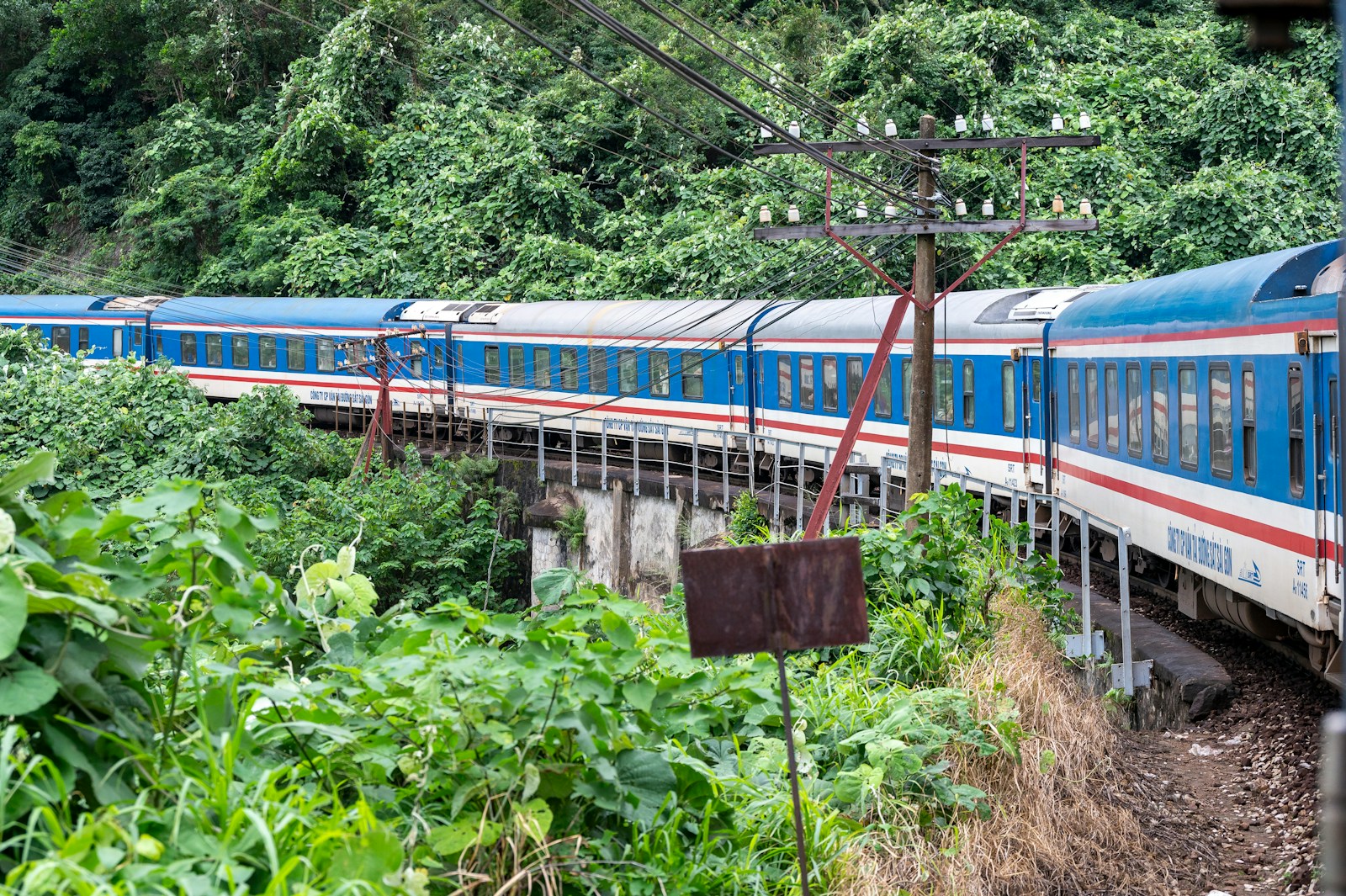
The route from Ngoc Hoi to Thu Thiem
The railway starts at Ngoc Hoi station in southern Hanoi and ends at Thu Thiem in Ho Chi Minh City, the new urban district across the Saigon River from District 1. Along the way it passes through 15 cities and provinces, following the country’s long coastal spine (Government of Viet Nam, September 2026).
Plans published by the government show 23 passenger stations and five freight stations. The line will be double track and standard gauge, built new rather than upgraded from the existing North South railway, which dates back to the French era and still runs on narrow metre gauge track.

| Length | About 1,541km, Hanoi to Ho Chi Minh City |
| Termini | Ngoc Hoi, Hanoi and Thu Thiem, Ho Chi Minh City |
| Design speed | 350km/h |
| Stations | 23 passenger and 5 freight stations |
| Estimated cost | US$67.34 billion, around VND 1.7 quadrillion (Government of Viet Nam, 2026) |
| Journey time | About 5.5 hours end to end |
| Construction start | Targeted for December 2027 (Ministry of Construction, September 2026) |
Cost and how the timeline has moved
The National Assembly approved the investment policy in November 2024, and the government later issued Resolution 106, which called for construction to begin by the end of 2026. The project was granted 19 special mechanisms to speed up approvals and land clearance.
The timeline has since been reset. By September 2026 the Ministry of Construction was working towards a December 2027 start, with the Thang Long Project Management Board appointed to prepare the feasibility study. Earlier government statements pointed to completion around 2035. On a project of this scale, both dates are best treated as targets that will firm up once construction contracts are signed.
Vietnam is already building high speed rail in the north. Work on a Hanoi to Quang Ninh line, which will link the capital with Ha Long Bay, started in April 2026. That project gives the country early experience before the main North South line gets under way.
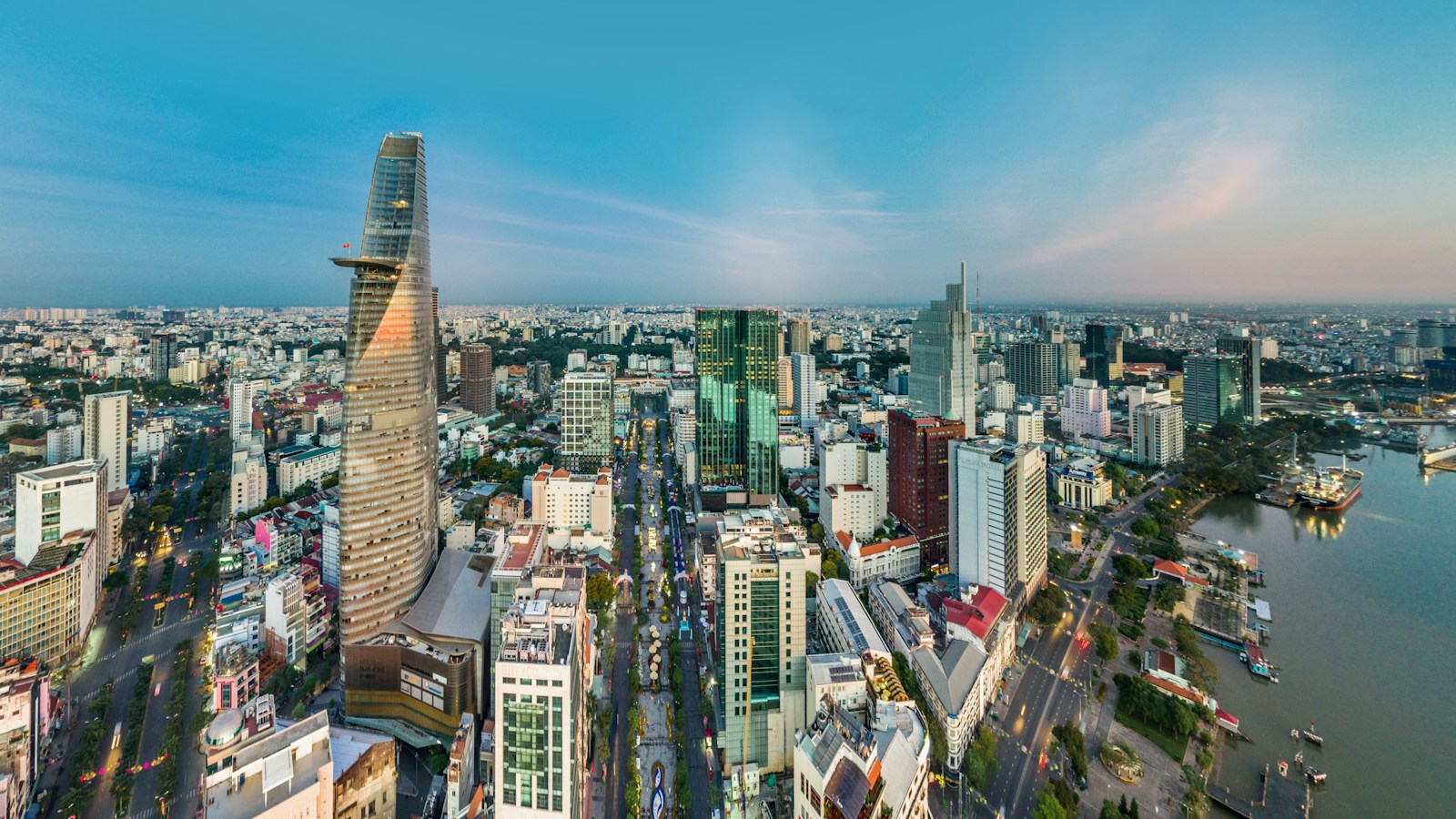
What 5.5 hours from Hanoi to Saigon changes
Vietnam is long and narrow, and its two great cities sit more than 1,500km apart by rail. Most people fly between them, and the Hanoi to Ho Chi Minh City air route is one of the busiest domestic routes in the world. A train that does the trip in 5.5 hours, centre to centre, becomes a real alternative to the airport, the security queue and the taxi ride at each end.
The shorter hops are where the line will change daily life most. Coastal cities such as Vinh, Hue, Da Nang, Quang Ngai and Nha Trang sit along the route. Hue and Da Nang are already close by road, but a high speed link puts them within comfortable reach of either capital. A weekend in Hoi An or a few days on the beach in Nha Trang becomes a train ride rather than a flight.
For people who live in Vietnam, the railway opens up choices about where to settle. A professional based in Da Nang, with its beaches and lower cost of living, could reach Hanoi or Saigon for meetings in a few hours. Families who prefer a coastal city to the energy of the capitals get a faster way back to the international schools, hospitals and airports of the big cities.
Where things stand at the end of 2026
As of November 2026, the project is in its preparation phase, with the feasibility study and site work being organised ahead of the targeted December 2027 start. Vietnam has been investing heavily across its transport network at the same time, including the new Long Thanh International Airport near Ho Chi Minh City and metro lines in both Hanoi and Saigon.
For travellers, nothing changes yet. The existing Reunification Express still runs the length of the country, and the stretch over the Hai Van Pass between Hue and Da Nang remains one of the great train rides in Asia. It is worth taking while it is still the main way to see the coast by rail.
Follow Vietnam’s next decade
Vietnam is reshaping how people move around the country, and the North South high speed railway sits at the centre of that plan. If you are planning a first visit, start with our route through Vietnam from south to north. If you are thinking about living or investing in the region, browse the Asia Lifestyle Magazine property portal for homes across Southeast Asia.


