


Top 5 Must-Try Vietnamese Dishes for First Time Visitors
Vietnam’s culinary scene is a feast for the senses – and a huge draw for travelers. From Hanoi’s steaming street food stalls to the spicy specialties of central Vietnam, the country’s Vietnamese cuisine reflects its rich culture and geography. It’s no surprise that in 2025 Vietnam was ranked the world’s 4th most enticing culinary destination. First-time visitors are in for a treat: you can slurp breakfast noodle soup at dawn in Hanoi, savor imperial recipes in Hue, snack on French-inspired sandwiches in Saigon, and crunch into crispy pancakes in the Mekong Delta. Below, we highlight five iconic Vietnamese dishes (each from a different region or tradition) that every first-timer should try, with cultural context, taste profiles, and local tips for enjoying them. Get ready to eat like a local – and pick up some travel-savvy tips on hygiene, ordering etiquette, and even vegetarian alternatives along the way!

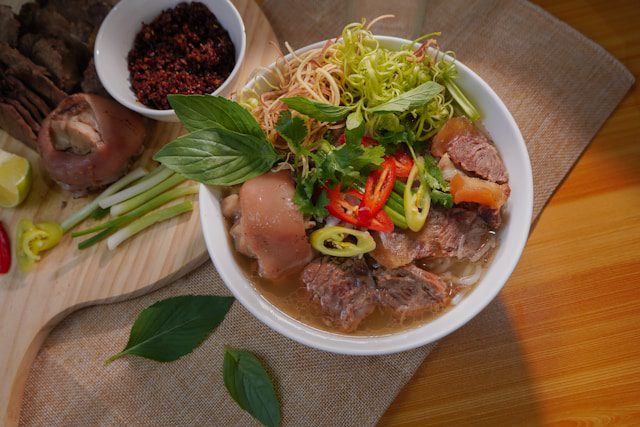
Phở – Hanoi’s Iconic Noodle Soup
Phở is Vietnam’s most quintessential dish – a fragrant rice noodle soup that is often considered the country’s national food. Originating in the northern city of Hanoi, a traditional bowl of phở features flat rice noodles swimming in a clear, aromatic broth, topped with slices of beef or chicken and a handful of green onions. The secret to a great phở is in the broth: it’s usually simmered for hours with beef bones and warm spices like star anise, clove, and cinnamon, creating a wonderfully rich aroma. Northern-style phở (Phở Hanoi) tends to have a cleaner, less sweet broth and minimal garnishes, while southern-style phở (Phở Sài Gòn) comes with a murkier, slightly sweeter broth and a bouquet of fresh herbs like basil, mint, bean sprouts, and lime on the side. Whichever style you try, remember that locals typically eat phở for breakfast – it’s common to see Hanoi residents hunched over steaming bowls at sunrise.
For the best experience, do the same: head out early to a busy street stall where the broth has been brewing since the wee hours (the busier the stall, the fresher the soup). Once served, you can customize your bowl to taste by adding chili, a squeeze of lime, or a dash of fish sauce, but always taste the broth first to appreciate its depth before seasoning. First-timers are often amazed by how comforting and balanced this noodle soup is – so much so that CNN Travel recently named Vietnam’s beef phở the second-best soup in the world. If you’re in Hanoi, try a legendary spot like Phở Thìn (13 Lò Đúc Street) where the recipe has been perfected over decades. In Ho Chi Minh City, a popular choice is Phở Hòa on Pasteur Street, which serves a southern-style bowl beloved by locals. And if you’d like to delve deeper into this dish, consider joining a cooking class to learn the art of preparing authentic phở broth – it’s a delicious way to bring a taste of Vietnam home with you.
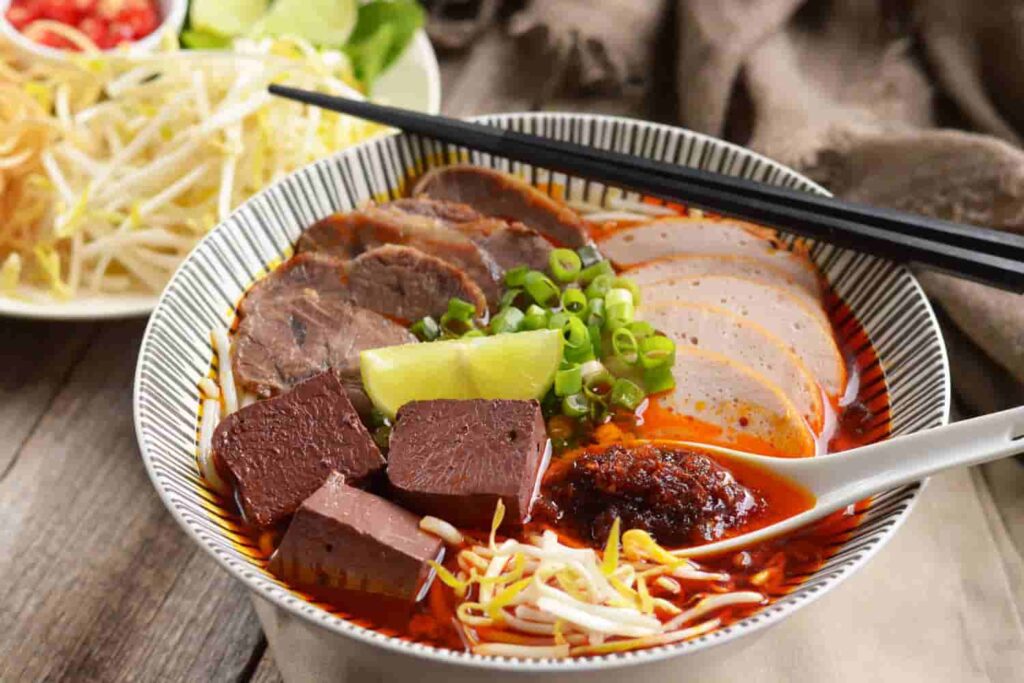

Bún Bò Huế – Spicy Beef Noodle Soup from Huế
Travel south to central Vietnam and you’ll encounter Bún Bò Huế, a bold and spicy cousin of phở that originated in the imperial city of Huế. This hearty noodle soup showcases the punchy flavors central Vietnamese cuisine is known for. A proper bowl of bún bò Huế features slippery rice vermicelli noodles submerged in an alluringly red, chili-laden broth. The broth gets its color and kick from chili oil and lemongrass, along with a dose of fermented shrimp paste that adds depth and a whiff of the sea. It’s traditionally made by simmering beef bones for hours with lemongrass to create a citrusy, savory base – the aroma alone will make your mouth water. Floating in the broth you’ll find tender slices of beef (bò means beef), sometimes pork, and even chunks of gelatinous pork knuckle or ham. Don’t be startled to see a slice of chả lụa (Vietnamese pork sausage) in there as well
– Huế chefs love to mix it up. What makes bún bò Huế special is its balance of spicy, salty, and umami flavors; every spoonful is layered with heat and fragrance, often tempered by a squeeze of lime and a handful of fresh herbs. Be warned: this soup can be quite spicy, so if you’re sensitive, let the vendor know (“ít cay” means “less chili”) or have a cool drink on hand. Locals typically enjoy bún bò Huế for breakfast or lunch, and it’s an absolute must-try when you visit Huế.
Picture yourself at a roadside eatery in the morning, surrounded by the chatter of patrons, with the imperial citadel not far away – it’s a cultural experience in a bowl. For an authentic taste, try seeking it out in its hometown: a famous spot is Quán Bún Bò Huế on Lý Thường Kiệt Street, which is known for serving a top-notch version of this classic. Tuck in with chopsticks and spoon, and don’t forget to heap on some shredded cabbage, lime juice, and a dab of Huế’s special chili sauce for the full experience. Your taste buds will sing, and you’ll understand why many say no trip to Huế is complete without a bowl of bún bò Huế.
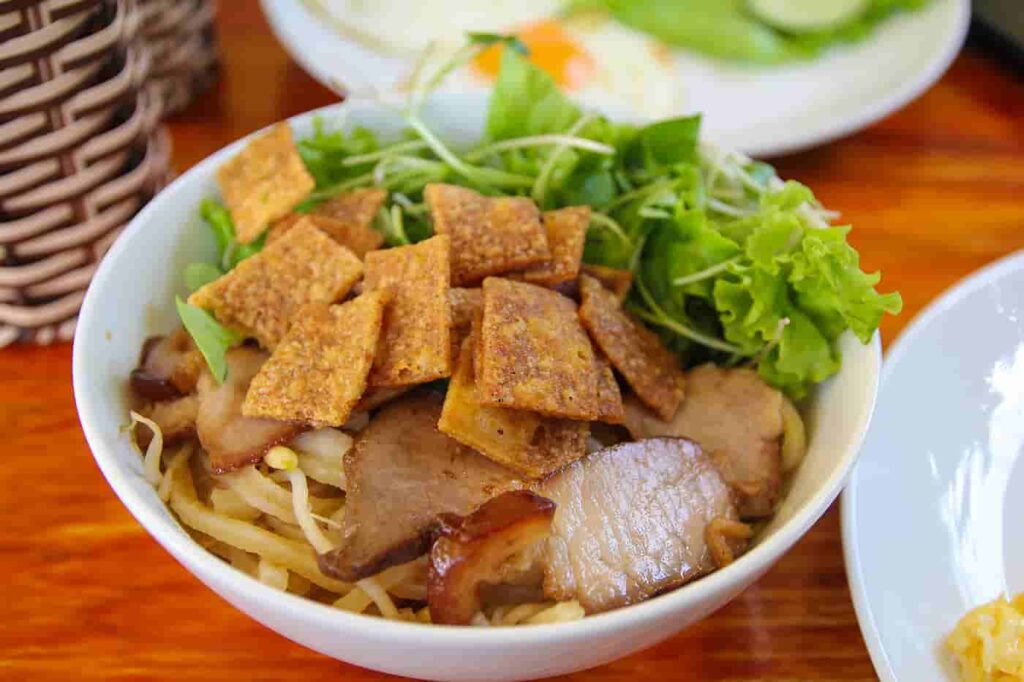
Cao Lầu – Hoi An’s Historic Noodle Specialty
In the historic trading port of Hội An, Cao Lầu reigns supreme as the town’s signature dish. This enigmatic noodle dish is only found in Hoi An, making it a true regional specialty you must try when visiting. Cao lầu is a delicious fusion of influences, reflecting Hoi An’s multicultural heritage as a former port city. The dish consists of chewy rice noodles that are unlike any other in Vietnam – firmer in texture, with a slight smoky flavor. According to local lore, these noodles get their unique character from being traditionally made with water drawn from Hoi An’s ancient Ba Lê well and lye made from wood ash, which give them a distinct chewiness and yellow-brown hue. In a bowl of cao lầu, you’ll find those noodles topped with slices of succulent char siu pork (Chinese-style barbecued pork) and fresh herbs like mint and cilantro. A small amount of broth (just enough to wet the noodles) is added, usually rich with five-spice and star anise, and the whole affair is finished with a generous handful of crunchy pork cracklings or crispy wonton chips for texture. The result is a wonderful medley of flavors and textures – savory, smoky, fresh, and crunchy all at once. Culturally, cao lầu is a tribute to Hoi An’s past: you can sense Chinese, Japanese, and Vietnamese culinary influences in every bite. Eating it feels like tasting history. Because authentic cao lầu relies on local ingredients (that special well water, regional greens, etc.), it’s hard to find outside Quảng Nam province – another reason to indulge while you’re in Hoi An.
Many restaurants in Hoi An’s Ancient Town serve cao lầu, but it’s best enjoyed at a humble street stall where the recipe has been passed down through generations. Follow the crowds of locals or try the bowl at Thanh Cao Lầu on Thái Phiên Street, a beloved spot known for its quality. Pull up a little plastic stool and savor it amid Hoi An’s lantern-lit lanes. Travel Tip: because cao lầu isn’t a soup, you’ll be given a spoonful of broth rather than a full bowl – use your chopsticks to toss everything together so the sauce coats the noodles. And if you’re a vegetarian, note that this dish is pork-centric; however, Hoi An has other vegetarian noodle dishes and many eateries offer “cao lầu chay” (vegetarian cao lầu) with tofu, especially during the monthly Buddhist vegetarian days. As the locals say, chúc ngon miệng (enjoy your meal) – a visit to Hoi An isn’t complete without tasting this one-of-a-kind noodle treasure.
Not sure where to eat?
Tell us the city, the occasion and roughly what you want to spend, and we will send back somewhere worth the trip.
Bánh Mì – Vietnam’s Iconic Street Sandwich
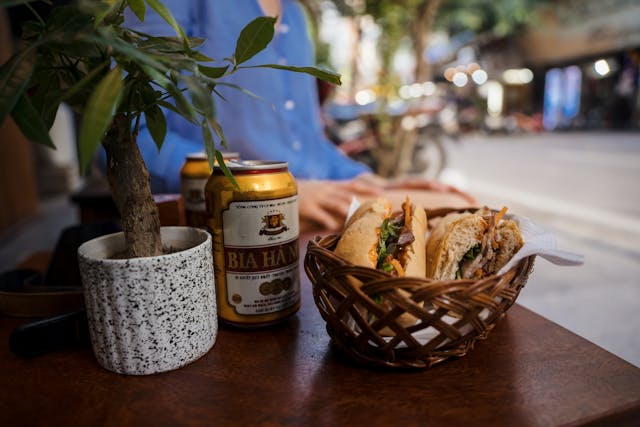
A delightful legacy of French colonial days turned into a Vietnamese icon, bánh mì is the perfect grab-and-go meal for travelers crisscrossing Vietnam. At its heart, bánh mì is a personal-sized baguette sandwich, but describing it so simply doesn’t do justice to the explosion of flavors and textures it contains. The Vietnamese baguette itself is special: light and crispy on the outside, soft and airy on the inside – ideal for holding a world of fillings. Vendors start by slathering the inside with rich pâté and/or butter or mayonnaise (a French touch), then pile in layers of savory goodness: typically slices of Vietnamese cold cuts or grilled meats (like BBQ pork or chicken), pork floss or ham, cucumber spears, and tangy pickled carrots and daikon radish. They’ll tuck in sprigs of fresh cilantro and chili, then drizzle soy sauce or Maggi seasoning and a dash of chili sauce. Each bite is a mini symphony of Vietnam’s flavor balance – crunchy, salty, sour, spicy, and savory all at once.
While bánh mì shops can be found across the country, you’ll notice regional variations. In northern and central Vietnam, baguettes tend to be smaller with simpler fillings (often just pâté, ham, herbs, and pickles). In the south, especially in Ho Chi Minh City (Saigon), bánh mì are larger and loaded with extras – think additional sauces, fried eggs, different meats, and more herbs. Every city claims theirs is the best, fueling friendly rivalries among foodies. For a first-timer, you really can’t go wrong wherever you try it, but some spots have earned legendary status. In Hội An, Bánh Mì Phượng achieved worldwide fame after Anthony Bourdain declared it a must-visit; expect a line, but many say it’s worth the hype. In Saigon, nearly every district has a famous stall – for example, Bánh Mì Huynh Hoa in District 1 is known for its generous fillings, and stalls on busy corners draw crowds each morning. The beauty of bánh mì is that it’s extremely affordable (often under $2) and perfect any time of day – as a quick breakfast, a hearty lunch, or a late-night snack.
Travel Tip: When ordering, you can customize to your liking: don’t want cilantro or chili? Simply point and say “no” or the local phrase “không” (no). If you’re vegetarian, look for signs that say “bánh mì chay” – these meat-free bánh mì might include fillings like fried tofu, mushrooms, or just egg and cheese. And for safety, opt for stalls that make bánh mì fresh to order and serve them hot; freshly toasted bread and hot fillings mean any meats were likely cooked recently. However you choose to fill it, the bánh mì is a delightful intro to Vietnamese street food – portable, delicious, and absolutely satisfying.

Bánh Xèo – Southern Vietnam’s Sizzling Pancake
Crispy, savory, and loads of fun to eat, bánh xèo is a must-try dish that often leaves first-time visitors in awe. The name bánh xèo literally means “sizzling cake” – named after the loud sizzle the rice batter makes upon hitting a hot pan. Originating as a Mekong Delta creation, this dish has spread across southern and central Vietnam, with each region putting a slight twist on it. At its core, bánh xèo is a Vietnamese take on a crepe: a thin batter made from rice flour, water, and often coconut milk and turmeric (which gives it a golden yellow hue) is poured into a wok or skillet. As it cooks, it crisps up like a delicate pancake. Once the edges curl and turn perfectly crunchy, the cook adds a mix of fillings on one half – typically succulent shrimp, thin slices of pork belly, and a handful of bean sprouts, plus sometimes green onion and mung beans. The pancake is then folded in half (like an omelet) and slid onto your plate, piping hot and crackling crisp. Now, eating bánh xèo is where the real fun begins. Unlike a western pancake, you don’t just cut it with a fork. Instead, you’re usually served a basket of fresh greens: lettuce leaves or rice paper, and plenty of herbs like mint and perilla. The local way is to take a leaf of lettuce (or softened rice paper), tear off a piece of the pancake (including its tasty fillings), place it on the leaf, add some fresh herbs on top, then wrap it up into a little roll. Dip that bundle into nước chấm, the ubiquitous Vietnamese dipping sauce made of fish sauce, garlic, chili, and sugar, or sometimes into a special peanut sauce. The combination of flavors and textures in one bite – the warmth and crunch of the pancake, the savory shrimp and pork, the freshness of the herbs, and the sweet-sour punch of the sauce – is absolutely delightful. Be prepared to get a bit messy; part of bánh xèo’s charm is its hands-on, interactive nature.
Don’t be shy to ask the vendor or a friendly local to show you how it’s done – most are happy to demonstrate, as sharing food customs is a point of pride. Bánh xèo is commonly an afternoon or evening dish, often enjoyed with a cold beer. It’s popular in Saigon (Ho Chi Minh City) and the Mekong provinces; in central Vietnam, you’ll find a smaller version in places like Huế and Đà Nẵng (sometimes called bánh khoái). Each area might tweak the recipe (for example, some use duck meat or add coconut milk for extra richness), but the essence remains the same. If you’re in Saigon, one renowned place to try it is Bánh Xèo 46A in District 3, famed for its delicious and consistently crispy pancakes. The open-air cooking station there lets you watch (and hear) the xèo magic as batter hits the pan. For vegetarians, ask if the chef can make a meatless one – many can whip up a version with just bean sprouts, mushrooms, and green onions that’s still extremely tasty. Enjoy this Vietnamese “taco” of sorts, and don’t forget to wash your hands before and after – it’s truly finger-licking good!
Ready To Explore Vietnam’s Cuisines?
Vietnam’s food culture is incredibly diverse and travel-friendly, and these five dishes are just the beginning of your culinary adventure. Each region of Vietnam has its own specialties, and trying them is not just about filling your stomach – it’s about experiencing the local way of life. As you venture from north to south, remember some universal tips: eat where the locals eat (a busy stall is a good sign of both taste and turnover for freshness), and don’t be afraid to eat like a local too. If you have dietary restrictions, Vietnam still has you covered – just learn the phrase “ăn chay” (pronounced “an chai”), which means vegetarian food, and you’ll find meat-free versions of classics in many places. To enrich your trip, consider weaving in some foodie experiences: many travelers rave about cooking classes and street food tours that help them discover hidden flavors with the help of local experts.
If you’re excited to explore Vietnam further, don’t stop at food! Sign up for our Vietnam Guide waiting list for more insider travel tips and inspiration, and be sure to check out our 5-Day Vietnam Coastal Itinerary for a ready-made journey from Hanoi to Ho Chi Minh City. Whether it’s savoring street eats or discovering new destinations, Vietnam promises an unforgettable ride – and we’ll be here to guide you every step (and every bite) of the way. Chúc ngon miệng và chuyến đi vui vẻ – enjoy your meal and happy travels!
Ready to plan your trip to Asia?
Tell us your dates, who is travelling and what you want out of it. We will come back with somewhere to stay and things worth doing.


