If you’ve been postponing a Seoul getaway or a business trip to Busan, now’s the time to book. South Korea has officially extended its K-ETA waiver for travelers from 67 visa-exempt countries through December 31, 2026. That means tourists, short-term expats, corporate travelers, and event planners can skip the extra paperwork and head straight to Incheon with just a valid passport and return ticket. The move is designed to boost tourism and business travel while keeping border formalities streamlined.

Whether you’re planning a long weekend in Jeju, a product launch in Seoul, or client meetings across Busan and Incheon, this extension gives you breathing room to finalize plans, without the extra digital hurdle. Here’s everything you need to navigate the South Korea visa landscape with confidence through the end of 2026, alongside context from this helpful digital nomad visa list.
- Tourists: Spontaneous weekends and festival trips just got easier.
- Short-term expats: Scout neighborhoods, schools, or co-working hubs without extra admin.
- Corporate travelers: Faster approvals for meetings, site visits, and conferences.
- Event planners: Smoother attendee logistics and fewer pre-travel touchpoints.
“Skip K-ETA, not the basics: bring a valid passport, proof of onward travel, and accommodation details.”
Who Benefits from the K-ETA Waiver and Who Still Needs a Visa
The K-ETA exemption covers nationals from 67 visa-exempt countries, including the United States, Canada, the United Kingdom, Australia, and most EU member states (yes, Finland too). As of early 2026, eligible travelers can enter for tourism, business meetings, conferences, family visits, and other short-stay purposes without applying for the electronic authorization that was briefly reinstated in previous years.

Stay limits remain unchanged:
- Most visa-exempt nationals: up to 90 days per entry.
- Canadians: typically up to 180 days.
- Multiple entries are permitted during your visa-free validity—ideal for regional hops.
However, the waiver does not apply to everyone. Nationals from non–visa-exempt countries must still obtain a visa from a consulate before departure. And the K-ETA exemption covers only short-term visits; anyone planning to work, study, establish residency, or stay beyond the permitted period needs a long-term visa. For deeper guidance, see this complementary Tokyo vs Seoul expats comparison.
Entry Requirements Under the Waiver
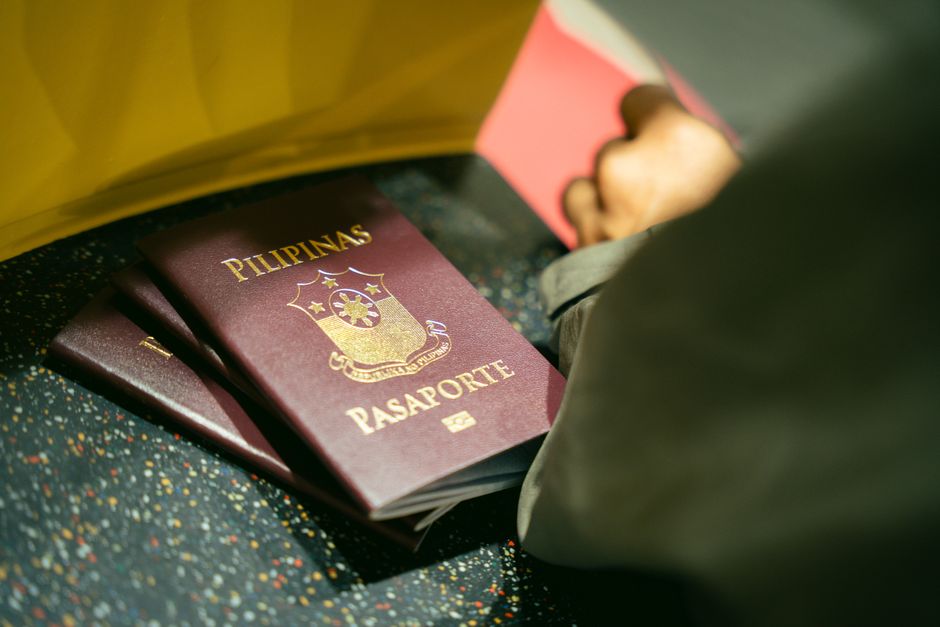
No K-ETA doesn’t mean “no documents.” Immigration still expects you to meet standard entry rules:
- Passport validity: At least six months beyond your planned departure date (airlines may enforce this strictly).
- Proof of onward/return travel: Show a flight or ferry ticket confirming departure within your allowed stay.
- Funds and accommodation: Hotel bookings, invitation letters, or recent bank statements may be requested.
The waiver removes an application step but not the immigration inspection. Officers can refuse entry for overstay risk, criminal red flags, or passport irregularities. Prior overstays, mismatched details, or unresolved legal issues can still lead to denial, consider professional advice if your history is complicated.
Remember: the waiver is for short-term travel only. Long-term visas for work, study, or family reunification must be obtained at South Korean consulates before arrival; the K-ETA exemption does not alter those pathways.
Planning a trip to Asia?
Tell us your dates, who is travelling and what you want out of it. We will come back with somewhere to stay and things worth doing.
Planning Scenarios and Cost Considerations
Tourists and short-term expats: Planning is refreshingly simple. Book flights, reserve stays, and secure travel insurance (roughly 30–60 USD per week for broad coverage). Add a local SIM or pocket Wi‑Fi (about 10–15 USD per day) and a T-money card for seamless subway and bus transfers. For intercity hops, the KTX gets you from Seoul to Busan fast, expect around 100 USD round trip.
Corporate travelers: With no K-ETA to track, pre-trip checklists shrink. Still, bring meeting invites, company letters, and local contact details. For teammates from non-exempt countries, factor 50–100 USD per visa plus courier or service fees, and plan for 2–5 business days of processing in most jurisdictions.
Event planners: Through 2026, attendee screening by nationality is clearer. Those from outside the 67 visa-exempt countries need visas that may take up to two weeks, including consular appointments and document checks. For exempt attendees, the waiver streamlines entry but doesn’t alter venue, catering, or AV budgets. Peak seasons (spring blossoms, autumn foliage) still warrant early coordination with hotels and transport providers.
Beyond 2026: South Korea has toggled K-ETA before. If it returns after December 31, 2026, expect 8–10 USD per application with 24–72 hour processing. The form is simple (passport data, trip details, health declarations), but it adds a step, monitor MOFA updates and set a reminder for November 2026.
Making the Most of Visa-Free Access
The K-ETA waiver through end-2026 removes friction for last-minute trips and regional itineraries. Fold Seoul into a broader route to Tokyo, Bangkok, or Singapore, tapping budget airlines in Asia and multiple entries within your visa-free window.
While the K-ETA fee was modest, the real win is time and flexibility, no forms, no scanning documents, and no last-second typos spoiling departure. That’s gold for remote workers and digital nomads who pivot plans on short notice.
Corporate teams benefit from synchronized scheduling when every eligible member skips K-ETA paperwork. Event organizers can confirm attendee lists closer to showtime, just build buffer for any non-exempt nationalities who still require visas.
Keep an eye on broader entry rules, too. Health protocols, customs allowances, and airline documentation checks can change. As of early 2026, most health-related restrictions have lifted, but verify current guidance with your airline or the Ministry of Foreign Affairs before departure. Carry digital and paper copies of your passport bio page, itinerary, and accommodation confirmations to speed immigration.
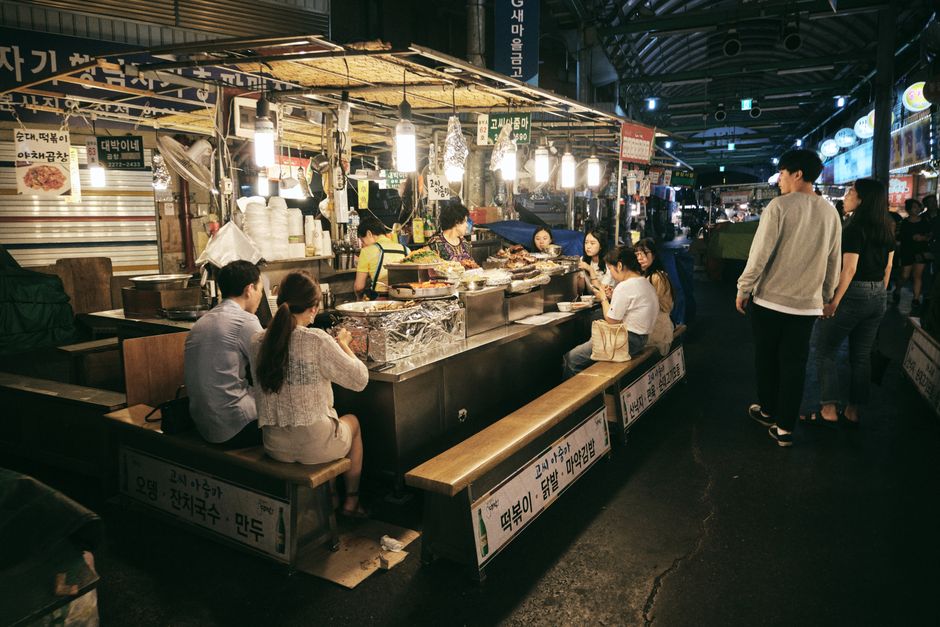
Bottom line: The K-ETA exemption through December 31, 2026 opens hassle-free short-term travel for millions. Whether you’re savoring street food in Myeongdong, closing a deal in Gangnam, or scouting venues in Incheon, the waiver keeps bureaucracy out of your way. Just ensure your passport is current, your return ticket is booked, and your plans fit visa-free limits.
Thinking seriously about moving to Asia?
Tell us where you are now and what the move looks like. We will match you with people who have done it before and can save you the expensive mistakes.