


Seoul Lantern Festival: Schedule, Attendance, and Urban Impact Guide
Every November, Seoul transforms into an open-air gallery as millions of LED lanterns illuminate the city’s historic core. The Seoul Lantern Festival draws over 2 million visitors annually, turning Cheonggyecheon Stream and surrounding plazas into a glowing pedestrian corridor that runs free of charge for roughly two weeks.

Unlike the daytime Lotus Lantern Festival in May, this November spectacle activates public space after dark, injecting energy into downtown when nights grow cold. If lantern festivals captivate you across Asia, compare the riverfront charm of Hoi An’s monthly Lantern Festival for a contrasting Old Town experience.
Whether you’re a resident planning your commute, a tourist mapping an itinerary, a retailer tracking foot traffic, or an urban planner studying crowd dynamics, the guide below helps you navigate the glow,on your own terms.
When and Where the Lights Come On
The Seoul Lantern Festival typically runs for 10,14 days in early to mid-November, with installations lit from approximately 6:00 pm to 10:00,11:00 pm nightly. Exact dates shift each year,check the Seoul Tourism Organization calendar,but expect the schedule to bracket the second weekend of November.

The festival’s spine traces Cheonggyecheon Stream east from Cheonggye Plaza near City Hall. Key viewing nodes cluster around Gwanghwamun Square, Seoul Plaza, and the frequent pedestrian bridges. Themed zones rotate annually,folklore, K‑pop, sustainability, global friendship,brought to life by towering lanterns that range from delicate paper dragons to LED palace replicas.
Start at Cheonggye Plaza for the opening ceremony, then stroll stream-level pathways east. The most crowded photo spots sit near Gwanghwamun and the bridges closest to City Hall Station. For lighter crowds, aim for weekdays 6:00,7:00 pm or after 9:00 pm; weekends 7:00,9:00 pm are peak family time. Dress warmly,November evenings hover around 5,10°C (41,50°F),and pack a power bank; low light drains phone batteries. Planning a broader Korea winter trip? Pair November’s lights with January’s Hwacheon Ice Festival for ice fishing and snow sculptures.

Navigating Two Million Visitors and Transit Choke Points
Recent editions have logged attendance above 2 million across the full run, with single-night peaks over 200,000 on Saturdays. Families arrive earlier; couples and photographers seek quieter frames closer to closing; tour groups flow through 7:00,8:30 pm.
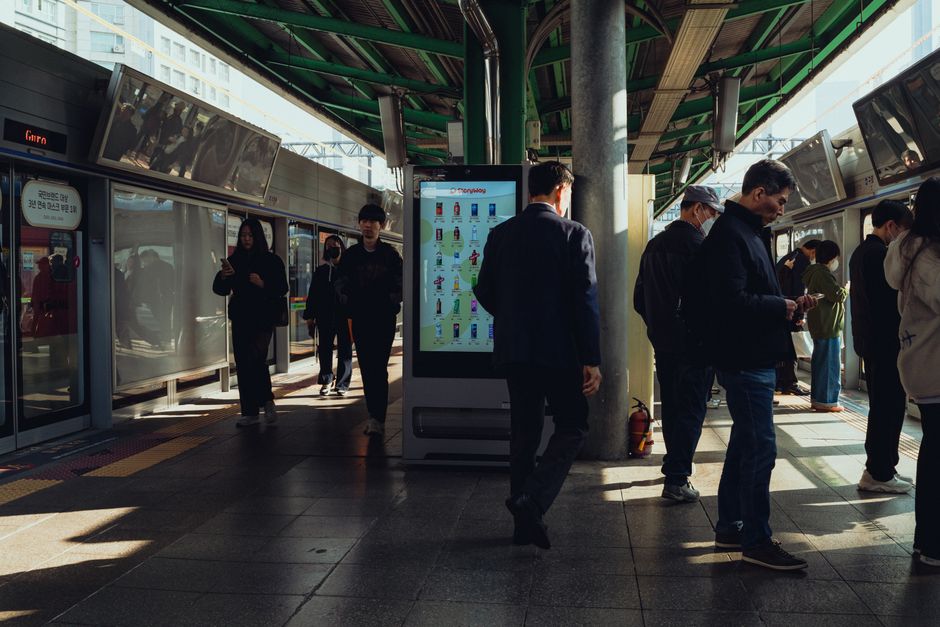
Five subway stations anchor access to the stream corridor:
- City Hall (Lines 1, 2) , steps from Seoul Plaza and Cheonggye Plaza.
- Gwanghwamun (Line 5) , serves the northern viewing corridor.
- Jonggak (Line 1) , quick walk to midstream bridges.
- Euljiro 1-ga (Line 2) , convenient for the western segments.
- Jongno 3-ga (Lines 1, 3, 5) , multimodal hub within five minutes of the water.
Festival-period signage appears in Korean, English, Chinese, and Japanese, and platform announcements flag crowding. Brushing up on Korean helps,see the best languages to learn in Asia before you go.
Inside the zone, one-way flows often apply on narrow stream paths during peak hours. Follow arrows and staffed crossings to avoid bottlenecks. Need to reverse? Pop up to street level and backtrack along Sejongno or Samil-daero,usually faster than the water’s edge.
For residents commuting through downtown: run errands before 6:00 pm or after 10:00 pm if crossing Cheonggyecheon. Expect bus detours near Seoul Plaza on Fridays and Saturdays. Taxis struggle with closures around Gwanghwamun,subway remains the most reliable option.
Tourists: bookmark restrooms at City Hall underground arcade, Gwanghwamun Station, and convenience stores on Sejongno. Accessibility is strong,with step-free ramps along the stream,but crowding can slow wheelchairs and strollers. Keep children close near the water’s low railings after dark.
Planning a trip to Asia?
Tell us your dates, who is travelling and what you want out of it. We will come back with somewhere to stay and things worth doing.
How the Festival Reshapes Retail, Transit, and City Operations
The festival drives measurable evening commerce. Shops within ~300 meters of Cheonggyecheon often see 30,50% sales lifts on hot drinks, hand warmers, snacks, and mobile accessories. Cafés and fast-casual spots extend hours to 11:00 pm; pop-up kiosks capture impulse buys without pulling visitors off the route.
Smart retailer playbook:
- Stock grab-and-go bundles and lantern-themed promos.
- Mirror the festival glow with illuminated windows.
- Train bilingual staff; deploy QR menus and fast digital payments.
- Coordinate mini night markets with neighbors,shared benches, bins, and wayfinding keep traffic flowing.
Transit operators add evening trains on Lines 1, 2, and 5 and staff up at City Hall and Gwanghwamun to manage queues. Weekend pedestrianization near Seoul Plaza shifts bus routes and taxi drop-offs, rippling through Jung‑gu and Jongno‑gu traffic patterns.
City services scale accordingly: more recycling and waste bins every ~50 meters, then overnight sweeps to reset the corridor. LEDs minimize power draw; total electricity for the two-week run stays below that of a single mid-size office tower, with carbon-offset reports published annually.
From a placemaking lens, the festival shows how temporary art can activate waterfront corridors, distribute spending beyond legacy shopping streets, and reinforce Seoul’s brand as a safe, innovative city worth visiting in the shoulder season. Other capitals study Seoul’s crowd-control, wayfinding, and egress systems each November and adapt them to their own mass events.
How success is measured: POS transaction curves, metro tap-ins, bridge counters, waste tonnage audits, and social-sentiment analysis feed permitting, sponsorship valuations, and future infrastructure investments.
Getting the Most Out of Your Visit
Residents
- Use Toegyero or Yulgok-ro for north,south, Sejongno or Samil-daero for east,west during 6:30,9:00 pm.
- Book meetings and dinners outside peak; consider remote work on opening Friday if you’re in Jung‑gu.
Tourists
- Anchor plans to the subway, not taxis. Download an offline metro map and confirm your return station in advance.
- Screenshot the official route map before entering crowds.
- Best photos land after 9:00 pm,bridges for wide angles, stream paths for immersive close-ups.
- For longer Asia stays, secure travel insurance that covers night events and dense urban areas.
Retailers
- Forecast using last year’s November POS; staff up for weekend peaks.
- Negotiate extended delivery windows; protect stock of heat packs and chargers.
- Offer limited-time menus and multilingual signage (Korean/English/Chinese/Japanese).
Urban planners & organizers
- Layered controls: one-way flows, real-time density via CCTV/mobile data, pre-positioned med/security teams, and clear egress corridors.
- Sustainability: LED-only lighting, bin-design-enforced sorting, and public,private partnerships that share costs without compromising free access.
The Seoul Lantern Festival proves a free, well-orchestrated public event can boost the night economy, showcase civic infrastructure, and safely welcome millions. Understand the schedule, geography, and operational rhythms,and turn potential congestion into opportunity.
Thinking seriously about moving to Asia?
Tell us where you are now and what the move looks like. We will match you with people who have done it before and can save you the expensive mistakes.


