Muay Thai Visa Thailand: How to Apply, What It Costs, and a Complete Training Guide (2026)
Thailand remains the undisputed global hub for authentic Muay Thai training, drawing thousands of international students every year who want to learn the Art of Eight Limbs where it was born. From morning runs along Phuket’s beaches to pad work under bamboo roofs in Bangkok, one question stands between you and your goals: how do you stay legally while you train?

If you’re hunting for the details on the Muay Thai visa Thailand process, you’re in the right place. In 2026, two routes stand out for dedicated trainees: the newly expanded Destination Thailand Visa and the traditional Education visa. Below, you’ll find step-by-step applications, full cost breakdowns in USD, reporting and extension rules, a quick comparison with Thailand’s retirement visa, and a practical training blueprint to plan your camp, pick a gym, and stay compliant.
“Train hard, plan smart. The right visa turns a good camp into a great one.”
Your Visa Options for Muay Thai in 2026: What’s Approved in Practice
Here’s what works on the ground,from flexible multi-entry options to structured study pathways at recognized Muay Thai schools.

Destination Thailand Visa (DTV)
The DTV arrived with Thailand’s soft-power strategy to attract cultural and sports learners. For Muay Thai students, it’s become the most flexible medium-term option.
- Who it’s for: Students planning to train for several months without full-time enrollment at a Ministry-recognized school; ideal for remote workers, fitness travelers, and cultural learners.
- Typical rules: Multi-entry validity up to five years. Each entry allows up to 180 days; frequently extendable once per entry for another 180 days. No Thai employment permitted.
- Proof of funds: Bank evidence of 500,000 THB (about $14,000 USD). This remains your money,used as financial assurance, not a fee.
- Fees: Application ~10,000 THB (about $280 USD). In-country extension ~10,000 THB (about $280 USD) per period.
Education (ED) Visa via Muay Thai School
The ED visa suits committed students who enroll with a Ministry of Education-recognized Muay Thai gym and can maintain attendance and reporting.
- Who it’s for: Long-term trainees who want structure, regular classes, and official documentation from their gym.
- Typical rules: Initial 90-day stamp on arrival. Extend every 90 days at immigration with proof of attendance. Separate 90-day address reporting required.
- Fees: E-visa/consular fee ~2,000 THB (about $55 USD). Each 90-day extension 1,900 THB (about $52 USD).
Tourist and Visa-Exempt Pathways
Short-term visitors can train on a tourist visa or visa-exempt entry, best for brief training blocks of a few weeks up to a couple of months.
- Who it’s for: Beginners testing the waters or fighters squeezing in a short camp.
- Fees: Single-entry tourist visa ~2,000 THB (about $55 USD), extendable once for 1,900 THB (about $52 USD) for up to 90 days total. Multiple-entry tourist visas cost more but allow repeated entries over six months.
Muay Thai Visa vs Retirement Visa Thailand: Quick Comparison
- Retirement visa (Non-Immigrant O-A or O): For ages 50+. Requires 800,000 THB (about $22,500 USD) in a Thai bank or 65,000 THB/month (about $1,830 USD). Annual extensions; 90-day reporting; not training-specific.
- Muay Thai pathways (DTV and ED): Open to all ages. DTV requires ~$14,000 in funds, no age limit, no Thai bank account. ED has low financial barriers but requires consistent school and immigration compliance.
- Lifestyle fit: If you’re 50+ and settling long-term, retirement visas offer stability. If training is the focus and you want flexibility or you’re under 50, DTV/ED is smarter.
Muay Thai Visa Thailand: How to Apply and What It Costs
Applications don’t need to be complicated,organize documents, apply early, and keep clean records.
Applying for the DTV
- Documents checklist: Passport (6+ months validity); recent passport photo; proof of funds (500,000 THB ≈ $14,000 USD); short statement of purpose outlining Muay Thai plans; gym booking or training itinerary; accommodation proof; travel insurance strongly recommended.
- Step-by-step: Create an account on the Thai e-visa portal → select Destination Thailand Visa → upload documents (PDF/images) → pay ~10,000 THB (~$280 USD) → wait 2,4 weeks → on approval, enter Thailand for your 180-day permission to stay → before expiry, visit immigration for an extension (~10,000 THB, ~$280 USD) if needed.
- Timeline tip: Apply at least 4 weeks before departure.
Applying for the ED Visa via Muay Thai School
- Documents checklist: Gym enrollment/acceptance letter; passport; passport photos; proof of funds (simple bank statement often sufficient); some consulates may request police clearance and health insurance.
- Step-by-step: Enroll and pay deposit/tuition → gym prepares documents (1,2 weeks) → submit ED application via e-visa or at a Thai consulate → pay ~2,000 THB (~$55 USD) → on entry, receive 90-day stamp → extend every 90 days with attendance proof and 1,900 THB (~$52 USD) → complete 90-day address reporting separately.
- Timeline tip: Budget 1,2 weeks for gym paperwork and 1,3 weeks for consulate processing.
Working out which visa you need?
Tell us your nationality, your plans and how long you want to stay. We will put you in touch with immigration specialists who handle these applications daily.
Complete Fee Breakdown in USD
- DTV: Application ≈ $280; each in-country extension ≈ $280; proof-of-funds ≈ $14,000 (not a fee).
- ED: Initial visa ≈ $55; every 90-day extension ≈ $52; tuition varies widely ($300,$1,000+/month).
- Tourist: Single-entry ≈ $55; one extension ≈ $52; METV costs more but enables repeat short stays.
Key Compliance Requirements
- TM30 and address reporting: Landlord/gym files your TM30 within 24 hours of arrival. Complete 90-day address reporting (separate from visa extensions).
- Work restrictions: No paid employment on DTV or ED.
- Stay insured: Maintain private health insurance ($30,$80/month basic hospital coverage; more for comprehensive tiers).
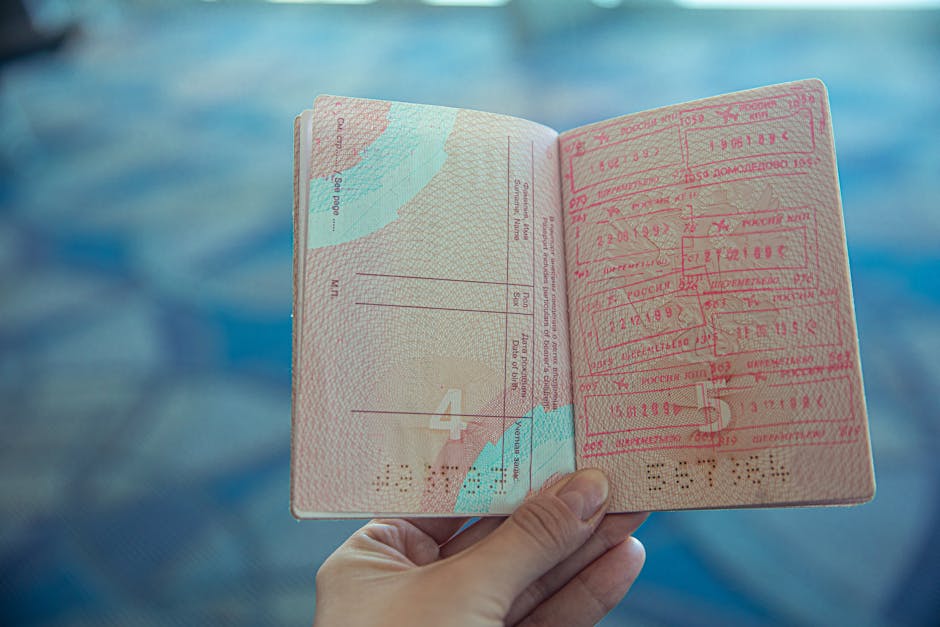
- Carry copies: Keep photocopies or digital scans of passport data page, visa, and entry stamp.
Training in Thailand on a Muay Thai Visa: Complete Guide
Visa sorted? Now set yourself up to train hard, recover well, and progress safely.
Where to Base Yourself
- Bangkok: Urban energy, elite gyms (Sityodtong, Kaewsamrit), stadium culture (Rajadamnern, Lumpinee), and easy flight access.
- Phuket: West-coast camps around Chalong/Rawai, beach vibes, strong expat community, and beginner-friendly programs.
- Chiang Mai: Cooler climate, slower pace, lower costs; traditional Northern Thai feel; gyms like Team Quest and Lanna MMA blend Muay Thai with MMA.
- Isaan (Northeast): Budget-friendly, traditional culture, fewer foreigners,home to many of Thailand’s toughest fighters.
Choosing the Right Gym
- Paperwork ready: For ED visas, confirm Ministry of Education recognition.
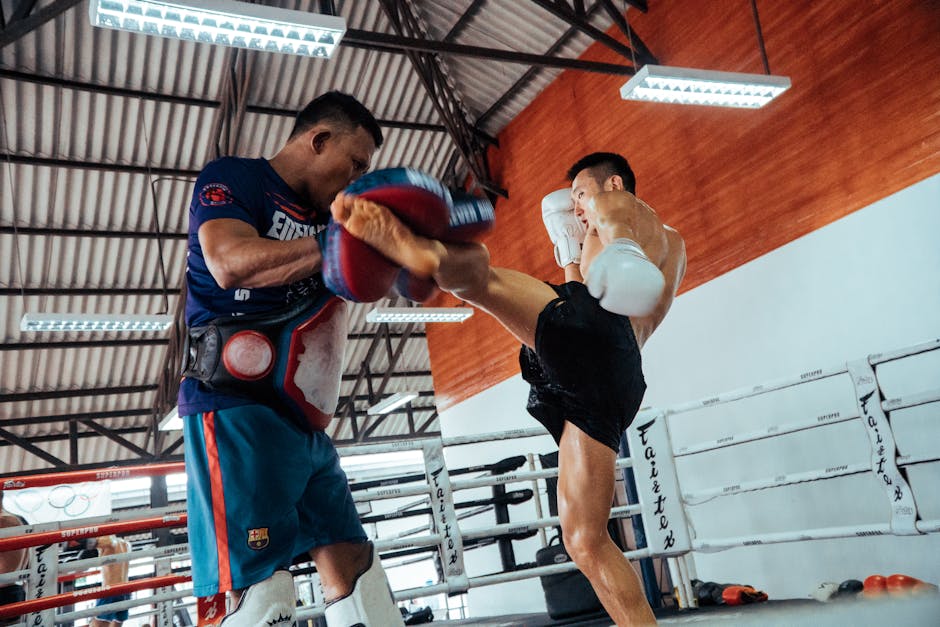
- Coaching quality: Aim for ≤1 coach per 10 students; ask about pad rounds, clinch time, and sparring structure.
- Path to the ring: If you want to compete, check for inter-gym smokers or sanctioned bout opportunities.
- Schedule fit: Verify daily timetable and recovery windows match your level and goals.
- Accommodation: On-site rooms or vetted housing nearby can simplify life.
- Reputation: Read recent reviews and message alumni for unfiltered feedback.
Sample Weekly Schedule
Morning (6:00,7:00 AM start): Roadwork → shadowboxing → technique → pads → bag work → clinch/sparring.
Afternoon (3:00,4:00 PM start): Repeat structure with adjusted intensity and focus.
Recovery matters: 1,2 rest days weekly, plus mobility, massage, and adequate sleep. Hydrate with electrolytes, especially during your first hot, humid month.
Monthly Budget in USD for Mid-Range Living
- Gym and training: $300,$600 (location and inclusions vary).
- Accommodation: $350,$800 (studio/1BR); dorms cheaper, serviced apartments higher.
- Food: $250,$450 (Thai street food vs Western meals/protein shakes).
- Transport + mobile: $40,$80 (motorbike ≈ $70/month; SIM with data $10,$20).
- Insurance + medical buffer: $40,$120/month; add extra for massage/physio.
- Gear (first month): $80,$200 (gloves, shinguards, wraps, shorts).
- Visa admin: DTV ≈ $280 every 6 months if extending; ED ≈ $52 every 90 days.
Etiquette, Safety, and Staying Legal
- Arrive on time; bow when entering/leaving the ring; respect your kru and seniors.
- Don’t step over bags or ropes; keep gear clean; communicate your level honestly.
- Build up sparring intensity gradually; tap early and often; protect partners.
- Beat the heat: train during cooler hours and replenish electrolytes.
- Keep digital/physical copies of passport, visa, and entry stamp.
Extending Your Stay Legally
- DTV holders: Track your 180-day limit precisely. Extend at immigration before expiry or consider a strategic exit/re-entry if permitted under current rules.
- ED students: Maintain excellent attendance; get the gym’s certificate for every 90-day extension. Submit early (1,2 weeks before expiry). Remember 90-day address reporting is separate.
Making the Right Choice for Your Muay Thai Journey
DTV = flexibility, longer single stays, fewer hoops,great if you’re balancing training with travel or remote work. ED = deep immersion at one gym with regular admin,perfect for structured progress and community.
For students 50+, weigh training goals against broader lifestyle plans. If Muay Thai is your main focus and you don’t mind 90-day admin, DTV/ED is ideal. If you’re settling long-term with training as one activity, the retirement route’s annual cycle and higher financial threshold can bring peace of mind.
Bottom line: Research recognized gyms, apply early, and budget conservatively (add 10,20% for surprises). Secure insurance before you land. Respect local customs, train smart, and embrace the journey.
The Thai Muay Thai community welcomes dedicated students from every background. With the right visa and a solid plan, your path,from first teep to seasoned ring craft,can unfold legally, affordably, and unforgettably.
Thinking seriously about moving to Asia?
Tell us where you are now and what the move looks like. We will match you with people who have done it before and can save you the expensive mistakes.