Retire in Thailand: The Number One Retirement Destination for Expats
Thailand’s blend of natural beauty, affordable living, and welcoming culture has made it the world’s top choice for retirees. Thailand is consistently recognized among the world’s best retirement destinations – in fact, it was recently ranked the #1 retirement haven in Asia. This tropical country earns its reputation thanks to a year-round warm climate, friendly locals, high-quality healthcare, and a low cost of living that lets foreign retirees enjoy a comfortable lifestyle on a modest budget. Below, we explore what makes Thailand so attractive for retirees, the practical details of retiring there (visa options and living costs), and highlight three top Thai provinces – each offering unique perks for different retirement lifestyles.


Why Thailand is the #1 Choice for Retiring Expats
For expats seeking an ideal retirement, Thailand offers an unparalleled combination of advantages:
-
Affordable Cost of Living – Day-to-day expenses in Thailand are significantly lower than in Western countries, allowing retirees’ savings to stretch further. According to cost-of-living indices, living in Thailand is about 36% cheaper than in the United States on average. Groceries, dining, and services often cost much less – for example, food and personal care are ~60% cheaper than in the US/UK, and delicious local meals from street vendors can be found for as little as $1–$2. Overall, many expats report living well on about $1,500–$2,000 per month, a fraction of what they’d spend back home. (Indeed, a frugal single person in a smaller Thai city can get by on as little as ~$1,000 per month if careful.) With $2,000+ per month, one can afford a very comfortable, even upscale lifestyle in Thailand. In short, retirees find their money goes much further here than it would in their home countries.
-
Excellent Healthcare – Thailand provides world-class healthcare at a fraction of the cost in Western countries. The country boasts modern private hospitals with English-speaking doctors, and treatments often cost one-quarter to one-tenth of equivalent care in the U.S. Thailand also ranks among the top five countries globally for healthcare quality as measured by the number of internationally accredited hospitals. It’s no surprise, then, that many medical tourists come to Thailand, and that retirees have peace of mind knowing they can get affordable, high-quality medical care when needed.
-
Vibrant Culture and Expat Community – Known as the “Land of Smiles,” Thailand is famed for its friendly, hospitable culture. Expats often feel welcomed by the Thai people and enjoy a rich cultural experience – from colorful festivals and ornate temples to Thailand’s delicious cuisine and traditional markets. There are also large expat communities in popular retirement areas, providing support, social clubs, and friendship for newcomers. English is fairly widely understood in cities and tourist areas, making it easier for foreigners to settle in. All these factors help foreign retirees quickly feel at home.
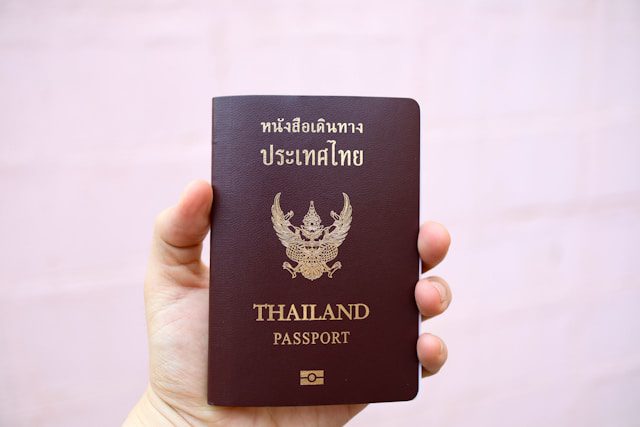

Visas and Cost of Living
While Thailand’s lifestyle is alluring, prospective retirees must plan for the practical aspects of relocating. Two key considerations are securing the right long-stay visa and understanding the cost of living for budgeting. Thailand has several retiree visa options (with different requirements), and the overall living costs are low, though they can vary by location and lifestyle. We break down the visa types and typical expenses below.
Retirement Visa Options in Thailand
Thailand offers special long-term visas to accommodate retired foreigners. The main retirement visa options are the O-A visa, O-X visa, and the newer Long-Term Resident (LTR) visa (as well as the paid Thailand Elite visa program). All retirement visas require the applicant to be at least 50 years old and meet certain financial and insurance criteria. For clarity, the comparison chart below highlights the key requirements, costs, pros and cons of each option:
| Visa Type | Validity & Requirements | Pros | Cons |
|---|---|---|---|
| Retirement Visa (Non-Immigrant O-A)
“One-Year Retirement” |
– Age ≥50
– Valid 1 year, renewable annually – Finances: 800,000 THB deposit in Thai bank (held ≥2 months) or 65,000 THB monthly income – Thai health insurance required for duration (coverage ≥400k THB inpatient / 40k outpatient) |
– Accessible for most retirees (moderate financial requirements)
– Available to all nationalities – Simple application; indefinite renewals allowed (just meet requirements each year) |
– Short duration (must renew each year and do paperwork annually)
– 90-day address reporting required to immigration – Must maintain Thai health insurance coverage yearly |
| Long Stay Visa (Non-Immigrant O-X)
“5-Year Retirement” |
– Age ≥50; limited to certain nationalities (e.g. USA, UK, most EU, Japan, Australia, Canada)
– Valid 5 years (extendable once, for 10 years total) – Finances: 3,000,000 THB deposit in Thai bank or 1,800,000 THB + 1,200,000 THB/year income (must maintain funds; see note) – Thai health insurance required (coverage ≥400k/40k THB inpatient/outpatient) |
– Long validity (5-year multi-entry visa) greatly reduces need for frequent renewals
– Multiple entry: can leave/re-enter freely without reapplying – Path to total 10-year stay by a one-time extension |
– Very high financial requirements (must park large funds in Thailand), and authorities require maintaining a minimum balance of 1.5M THB after the first year
– Limited nationalities eligible – Still requires 90-day reporting like O-A visa |
| Long-Term Resident (LTR) Visa – “Wealthy Pensioner” | – Age ≥50
– Valid 10 years (issued 5 years + 5-year renewal) – Finances: annual income ≥ $80,000 USD; or if $40k–$80k/year, then must invest $250,000 in Thailand (government bonds, property, etc.) – Health insurance with ≥ $50,000 USD coverage (or $100k in a Thai bank) – One-time visa fee $1,600 USD |
– Longest term visa (10 years) with minimal renewals or border runs
– Only annual immigration check-in (instead of 90-day reports) – Perks like fast-track airport services and permission to work part-time if desired |
– Strict qualifications (high income and/or assets required)
– Expensive application fee – Not as accessible – geared toward wealthier retirees (most typical expats opt for O-A/O-X visas) |
| Thailand Elite Visa
“Privilege Entry” membership |
– No age requirement (open to any adult)
– Valid 5 to 20 years (multiple-entry visa, length depends on membership package) – Cost: one-time membership fee from 600,000 THB ($17k) for 5-year plan, up to 2.5+ million THB for 15–20 year packages – No minimum income or insurance requirements (just the fee) |
– Extraordinarily long stay permission with no visa extensions needed (5-20 year residency)
– Multiple-entry privileges; 90-day reports are handled by Elite staff on your behalf – VIP perks (expedited immigration, airport lounge, concierge services, etc.) |
– Very high upfront cost (pay-to-stay membership)
– Not a traditional “retirement visa,” so fees don’t go toward your own savings (they are program costs) – Does not grant work rights (same no-employment rule as other retiree visas) |
Visa Tip: Many retirees start by using a 90-day Non-Immigrant O visa (convertible to a one-year retirement extension) or the O-A retirement visa to settle in Thailand, since the financial requirements are straightforward for those with a moderate pension. If you meet the higher financial bar, the O-X visa can eliminate annual renewals. And if you have very high income or assets, the LTR visa offers the longest term and least frequent immigration hassle. Thailand also offers another path via the Thailand Elite visa (a paid 5–20 year residency membership program), but that involves hefty fees rather than proving income or savings. In practice, most foreign retirees use the standard retirement visas (O-A or O-X), which are more accessible for the average person.
Sign-up for our Thailand Visa Waiting-List to get connected to our trusted visa agents
Cost of Living in Thailand
One of the biggest draws of retiring in Thailand is the low cost of living. Everyday expenses – from housing to food to transportation – are far more affordable than in North America or Europe. According to Numbeo data, living in Thailand is roughly 50% cheaper than the United States on average. This means retirees can enjoy a higher quality of life for much less money. Many expats find that a budget of around $1,500 per month is sufficient to live comfortably in Thailand, and with ~$2,000 per month one can afford a very comfortable, even upscale lifestyle. Of course, actual expenses vary by location and personal preferences. Popular tourist areas or central Bangkok are pricier than small inland towns. Eating Western food and imported products will cost more than enjoying local Thai food and shopping at fresh markets.
Below is a breakdown of typical monthly expenses for a retiree in Thailand. This example budget (in USD) illustrates mid-range costs in a comfortable lifestyle (not ultra-frugal, but not extravagant). Actual costs will depend on individual choices and location:
| Expense Category | Estimated Monthly Cost (USD) |
|---|---|
| Housing (Rent) – 1 BR apartment (comfortable local standard)
In large city (Bangkok/Phuket): $500–$800 In smaller city (Chiang Mai, etc.): $300–$500 |
$300 – $800 |
| Utilities (electricity, water, internet, mobile) | $50 – $100 |
| Groceries & Dining (mix of shopping at markets and eating at local restaurants) | $200 – $400 |
| Health Insurance (private expat policy for age ~60s) | $100 – $200 |
| Transportation (local transport or scooter, plus occasional taxis) | $50 – $100 (gas/public transit fares) |
| Leisure & Entertainment (eating out, travel, hobbies) | $100 – $300 (highly variable) |
In summary, retiring in Thailand can be very budget-friendly. A frugal single person in a smaller city can live on as little as $1,000 per month if they are careful. Most retirees with a moderate pension (say $1,500–$2,000 monthly) find they can enjoy a comfortable lifestyle – eating out frequently, traveling occasionally, and even affording some luxuries – all on a budget that would only cover basic needs in many Western countries. By comparison, to achieve a similar quality of life in the West might require two or three times that budget. This affordability, coupled with Thailand’s rich lifestyle offerings, is a key reason so many expats choose Thailand for their golden years.
Thinking about retiring in Phuket?
Visas, healthcare, budgets and where to base yourself. Tell us what stage you are at and we will help you work through it.
Top Retirement Locations in Thailand
Another reason Thailand appeals to expat retirees is the variety of places one can live. Whether you prefer a calm, cultural town in the mountains or a lively beach city with all modern conveniences, Thailand has a location to suit your retirement vision. Here we spotlight three popular provinces for retirees – each with unique attributes catering to different preferences and budgets. (Of course, many other places are retiree-friendly as well – e.g. Bangkok for city lovers, Pattaya for those who enjoy an active beach city near Bangkok, or smaller islands like Phuket for a tropical island vibe – but the ones below are perennial favorites.)

Chiang Mai: Cultural Charm and Cool Climate
Chiang Mai – the largest city in northern Thailand – is often called the “Rose of the North.” It’s a mountainous province known for its rich culture, cooler climate, and low cost of living. Chiang Mai offers an appealing lifestyle for retirees seeking a relaxed, culturally enriching, and budget-friendly place to settle.
-
Affordability: Chiang Mai is notably cheaper than Bangkok or the southern beach towns. Housing is very affordable – you can rent a modern one-bedroom condo for as low as $300–$400 per month, and even upscale rentals rarely exceed $600. Food is inexpensive as well; the city’s plentiful street stalls mean you can get a tasty local meal for as little as 30 THB (about $1). Overall, a retiree can live comfortably on a smaller budget here than in Thailand’s bigger cities. (One guide notes a single person can live well in Chiang Mai on around $700 per month total, illustrating how far your money goes.)
-
Pleasant Climate: Nestled in the foothills, Chiang Mai enjoys somewhat cooler temperatures than most of Thailand. While Bangkok might swelter at 35°C (95°F) in the hot season, Chiang Mai’s daily averages are often around 25–30°C (77–86°F). The cooler season (Nov–Feb) brings very comfortable weather. One caution: Chiang Mai does experience a “burning season” in late dry season (generally February–April) when farmers in the region burn fields and create smoky haze. Many expats simply travel to the beach or elsewhere during that period. The rest of the year, the air is clear and the climate is enjoyable for outdoor activities.
-
Rich Culture & History: As a former capital of the ancient Lanna Kingdom, Chiang Mai is steeped in history and tradition. The province is home to hundreds of ornate Buddhist temples (some dating to the 13th century) and regularly celebrates traditional festivals like Yi Peng (the Lantern Festival) and Songkran (Thai New Year water festival). Retirees love the vibrant cultural scene – local craft markets, art galleries, traditional dance and music performances, cooking schools, meditation retreats, and more. The old city’s quaint moat and fortress walls coexist with trendy cafés and malls, reflecting a balance of old and new. Living here offers a chance to immerse in Thai culture at your own pace.
- Active Expat Community: Chiang Mai has long been a favorite of retirees and digital nomads, so you’ll find a thriving expat community. There are clubs and meet-ups for every interest – from hiking and biking groups that take advantage of the nearby mountains, to volunteer organizations, book clubs, and foodie tours. Popular social groups like the Chiang Mai Expats Club host regular gatherings. It’s easy to connect with fellow foreign retirees, yet Chiang Mai never feels “overrun” – it maintains a laid-back, small-city vibe. English is reasonably widely spoken in businesses, and private hospitals in the city offer excellent healthcare (Chiang Mai has several international hospitals and clinics). Overall, Chiang Mai provides a gentle, engaging environment that is perfect for retirees who want culture, nature, and comfort on a budget
.For more insight about your potential lifetsyle in Chiang Mai. Read our Article about Living in Chiang Mai : Ultimate Guide for Expats and Digital Nomads

Phuket: Island Paradise with Modern Luxuries
If your retirement dream involves living by the beach in a tropical paradise, Phuket may be the perfect spot. Phuket is Thailand’s largest island (about the size of Singapore) and a province unto itself, located in the Andaman Sea off the country’s southwest coast. It is famed as a world-class destination for its stunning beaches, resort lifestyle, and modern amenities.
-
Tropical Beauty & Leisure: Phuket is often dubbed the “Pearl of the Andaman” – and it lives up to the name. The island is ringed by white-sand beaches and turquoise waters, backed by jungle-covered hills. Retirees can spend their days walking on palm-fringed shores, swimming in the warm ocean, snorkeling coral reefs, or island-hopping to the many nearby islets. Phuket offers a mix of bustling beaches (like Patong) and quiet ones – for instance, Kata and Karon Beaches have a relaxed vibe, while spots like Nai Harn Beach or Naithon Beach are known for their tranquility. With a tropical climate (daytime highs ~80s °F tempered by sea breezes), the outdoors can be enjoyed year-round. Popular activities include boating, fishing, scuba diving, golfing on scenic courses, or simply enjoying sunset cocktails by the sea.
-
Modern Amenities & Healthcare: Despite being a small island, Phuket boasts excellent infrastructure and amenities. Expats have access to everything from large Western-style shopping malls and supermarkets to international restaurants, cinemas, and entertainment venues. Whether you crave a gourmet Italian dinner or need a specialty import item, you can likely find it in Phuket’s more developed areas. Importantly, Phuket has world-class healthcare facilities – including a branch of the renowned Bangkok Hospital in Phuket Town – meaning high-quality medical care is available locally. Many doctors speak English, and the hospitals are internationally accredited. This is a huge plus for retirees. Roads, telecom, and services are well-developed due to the island’s tourism and expat population, so you won’t lack modern comforts. In short, Phuket manages to be both exotic and convenient – an island paradise with all the perks of modern living.
-
Luxury Lifestyle (at a Cost): Phuket can cater to a higher-end lifestyle for those who desire it. There are luxury ocean-view condos, private pool villas, yacht clubs, and five-star resorts aplenty. It’s quite possible to retire in Phuket and live a “premium” lifestyle – dining at upscale restaurants, spa days, golfing at exclusive courses – all for less than it would cost in a Western country, though significantly more than up-country Thai towns. Do note that Phuket is one of the more expensive parts of Thailand (along with central Bangkok). Housing costs have risen with its popularity; for example, a modern condo might run $600–$1,200+ per month depending on location and view. Likewise, imported foods or fine dining will be pricier. But many retirees find it worth it for the environment. The good news: Phuket still has local markets, small eateries, and affordable services if you venture beyond the tourist hubs, so a mid-range budget can go far if you balance Western comforts with local options. And compared to life back home, even Phuket’s “high cost” items (like hiring household help, or seeing a private dentist) are relatively cheap.
-
Active and Social Atmosphere: Phuket offers a very active lifestyle for expat retirees who want more than just relaxation. The island is a hub of entertainment and social life. Patong Beach, for instance, is famous for its vibrant nightlife, with live music, bars and clubs – retirees who enjoy evenings out will not be bored. There are also more laid-back beach bars and sunset cafés for a relaxed evening by the water. Beyond nightlife, Phuket has modern movie theaters, shopping centers, community events, and various expat clubs (yacht clubs, volunteer groups, etc.). The expat community in Phuket is large and diverse – from Europeans and Australians to Asians and Americans – so you’ll meet people from all over. (Roughly 115,000 expats reside on Phuket, alongside the Thai population of ~600k.) Many locals in Phuket speak some English, given the international tourism influence. And thanks to the busy international airport, it’s easy to travel abroad or have friends/family visit. Overall, Phuket is ideal for retirees who desire a vibrant, resort-like lifestyle with plenty of conveniences – essentially, “paradise” with all the perks. (Just be prepared for more tourists in high season, and a bit higher cost of living than quieter Thai locales.)

Hua Hin: Laid-Back Coastal Living with Excellent Healthcare
For retirees seeking a quiet seaside town atmosphere, good infrastructure, and a strong expat presence without the intensity of a big city or major resort, Hua Hin is an excellent choice. Hua Hin is a beach town on the Gulf of Thailand, roughly 2.5–3 hours’ drive southwest of Bangkok. Historically a fishing village turned royal vacation spot, today Hua Hin is known for its relaxed charm, golf courses, and retiree-friendly environment.
-
Peaceful Beach Town: Hua Hin offers beachside living with a calmer vibe. Its beaches may not be as internationally famous as Phuket’s, but they are clean and pleasant for strolls, swimming, and even kite-surfing (Hua Hin’s breezes make it a kite-surfing hot spot). The town is considerably smaller and quieter than Pattaya or Phuket – Hua Hin’s population is around 65,000, and it lacks the crowds and traffic of those bigger resorts. The atmosphere is very laid-back, with a quaint town center, night markets, and a notable absence of the rowdy bar scene found in Pattaya. For many retirees (especially couples), this low-key ambiance is a big draw. Crime rates are low, and the town is generally considered safe and peaceful. It’s the kind of place where people know their neighbors and you can relax without worry.
-
Quality Healthcare: Despite its small size, Hua Hin is well-equipped with excellent healthcare facilities. In fact, it has become something of a medical hub for the region. There are several international-standard hospitals, such as Bangkok Hospital Hua Hin, plus numerous clinics and pharmacies. These hospitals offer modern medical services and English-speaking staff, which is reassuring for retirees. Notably, medical costs in Hua Hin (and Thailand generally) are far lower than in Western countries – often a fraction of the price – so expats can comfortably get treatments or check-ups as needed. Having top-notch healthcare readily available in a quiet town is a major benefit of Hua Hin, and one reason many retirees choose to settle here.
-
Recreation and Golf: One of Hua Hin’s claims to fame is being the “Golf Capital of Thailand.” The area is home to some of Thailand’s most beautiful golf courses, many with affordable membership rates. Retirees who golf will find no shortage of courses and fellow golfers – it’s a great way to socialize while staying active. Beyond golf, Hua Hin’s calm Gulf waters are ideal for water sports like kiteboarding, sailing, and paddle-boarding. The town also offers fitness clubs, yoga studios, bicycling groups, and even an equestrian center (horseback riding along the beach is a popular activity). If you enjoy an active retirement but at a slower pace, Hua Hin provides plenty of options. There are also cultural attractions in the vicinity (vineyards, historical sites, national parks), and the convenience of Bangkok not far away if you crave a big-city day trip.
-
Convenience and Community: Hua Hin strikes a nice balance between a local Thai town and an expat enclave. You’ll find modern conveniences like shopping malls, international supermarkets, and a variety of restaurants (including Western and multi-cuisine options) due to the sizable expat population. At the same time, Hua Hin isn’t overdeveloped – there are few high-rises, and the vibe remains distinctly Thai and relaxed. The expat community is active and welcoming: there are numerous social groups, clubs, and events to help newcomers integrate (from language classes to charity fundraisers). It’s easy to meet people and find friends. Another plus is Hua Hin’s proximity to Bangkok – you can drive or take a train in about 3 hours to Bangkok, making it easy to access the capital’s big-city amenities or to receive visitors flying in. Yet Hua Hin itself remains a tranquil retreat by the sea. Overall, Hua Hin is perfect for retirees who want a comfortable, easygoing lifestyle in a beach town that has all the necessities but without the chaos or high costs of larger tourist hotspots.

Closing thoughts
Each of these three locations – Chiang Mai, Phuket, and Hua Hin – showcases a different side of Thailand, appealing to different retirement priorities. Chiang Mai suits those valuing culture, cooler climate, and low costs; Phuket is for those who dream of an energetic island life with beaches and modern luxuries; Hua Hin offers peaceful coastal living with plenty of comfort and healthcare. Of course, there are other popular retiree havens in Thailand as well. The bottom line is that Thailand’s diversity ensures that every retiree can find a place that feels like their personal paradise.
Ready to Retire in Thailand? Thailand truly offers an outstanding package for retirees: a tropical lifestyle, welcoming culture, and affordability that is hard to beat. If you’re feeling inspired to make the Land of Smiles your retirement home, don’t just dream – take action! Join the Thailand Move waiting list today to get personalized guidance on relocating to Thailand, visa assistance, and insider tips for a smooth transition. This is your chance to turn the vision of a Thai paradise retirement into reality. Sign up now for the Thailand Move waiting list and take the first step toward your dream life in Thailand!
Still weighing up your visa options?
Tell us your nationality, your plans and how long you want to stay. We will put you in touch with immigration specialists who handle these applications daily.