


Living in Da Nang: 5 Reasons It’s Vietnam’s Hottest Expat Destination in 2025
While Ho Chi Minh City and Hanoi have traditionally dominated the expat conversation in Vietnam, a coastal gem has been quietly rising through the ranks. Da Nang, Vietnam’s third-largest city, has transformed from a relatively unknown stopover between Hoi An and Hue into one of Southeast Asia’s most compelling destinations for foreign residents. With a population of about one million, this coastal metropolis manages to retain a small-town feel while offering the infrastructure and amenities expats expect from modern urban living.

What makes Da Nang so special that it’s pulling digital nomads, retirees, and remote workers away from established expat hubs? The answer lies in a unique combination of factors that few other cities in Asia can match. From unbeatable affordability to pristine beaches, from a growing international community to strategic location, Da Nang delivers a lifestyle that feels almost too good to be true. Let’s explore the five key reasons why expats are increasingly choosing Da Nang as their Vietnamese home base.

1. Unbeatable Cost of Living Without Compromising Quality
Da Nang’s affordability stands out even in a region known for budget-friendly living. A single person can live comfortably in Da Nang for under $1,100 per month, with couples managing well on $1,600-$1,800 monthly including all expenses. These aren’t bare-bones survival budgets; they represent comfortable lifestyles with quality accommodations, regular dining out, and entertainment.
The housing market offers exceptional value. Studio apartments in the city center range from $150-$300 monthly, while beachside one-bedroom apartments average $200-$450. Two-bedroom apartments near the coast cost $400-$600, often including modern amenities like pools, gyms, and security. For those preferring houses, two or three-bedroom homes in nice areas start around $400 and range up to $800 for luxury properties. Compare this to Western cities where similar accommodations would cost triple or quadruple these amounts.

Daily living expenses remain remarkably low. A hearty bowl of mi quang, the local turmeric-infused noodle dish, costs around $2. A banh mi op la, a Vietnamese omelet sandwich on French baguette, runs about the same. Groceries for a month average $180 per person when shopping at local markets. A bottle of domestic beer at local bars costs 20,000 VND (around $0.80), while even upscale rooftop bars charge just 80,000 VND ($3.20) outside happy hours.
Transportation costs barely register as an expense. Motorbike rentals run $40-$70 monthly, with some finding deals as low as $20. GrabBike rides around the city cost 15,000-30,000 VND ($0.60-$1.20). Fuel prices remain low, making personal transportation affordable for daily use. High-speed internet costs just $6-$15 monthly, gym memberships range from $20-$40, and even movie tickets rarely exceed $6.
The quality of life you receive for these prices is what truly impresses long-term residents. You’re not living in cramped quarters or sacrificing comfort to save money. Modern apartments with pools, well-equipped kitchens, air conditioning, and proximity to beaches are the norm, not luxury exceptions. This combination of low costs and high quality creates a lifestyle that would be financially impossible in most Western countries.
[Read More: Da Nang’s Real Estate Overview in 2025]
2. The Perfect Balance of Beach Life and City Convenience
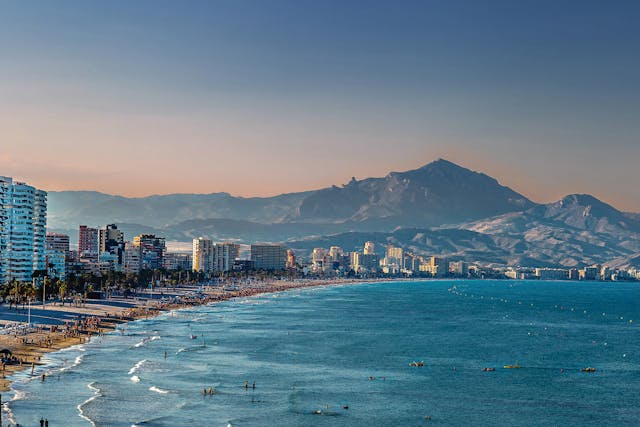
Da Nang offers something rare in Asia: genuine beach living without sacrificing urban infrastructure. The city is divided by the Han River, creating distinct cityside and beachside areas that cater to different preferences while remaining easily accessible to each other.
The beachside, particularly the An Thuong area and My Khe Beach, has become the epicenter of expat life. My Khe Beach earned international acclaim as one of the world’s most beautiful beaches, featuring immaculate white sand stretching for miles, clear waters perfect for swimming, and uncrowded spaces even during peak seasons. Unlike tourist-heavy beach destinations where you fight for towel space, Da Nang’s beaches maintain a relaxed atmosphere where finding solitude remains possible.
Living near the beach in Da Nang isn’t just about weekend getaways; it’s integrated into daily life. Many expats start mornings with beach walks or swims, work from beachfront cafes, and watch spectacular sunsets over the South China Sea in the evenings. The coastline features clean, well-maintained promenades perfect for jogging, cycling, or evening strolls. Parks and green spaces line both banks of the Han River, offering additional outdoor options beyond the beach.
Yet Da Nang isn’t just a beach town. The cityside provides modern infrastructure that rivals any Vietnamese city. Well-planned streets avoid the chaotic traffic of Hanoi or Ho Chi Minh City. Clean, tree-lined boulevards create pleasant environments for walking and cycling. The city features modern shopping malls, international supermarkets, hospitals, and every service expats need for comfortable living. Despite its million-person population, traffic remains manageable even during rush hours, a stark contrast to Vietnam’s larger cities.
This dual character means you’re never choosing between beach relaxation and urban convenience. Need to visit a modern supermarket, see a doctor, or access government services? The cityside is 10-15 minutes away. Want to escape urban energy and decompress by the ocean? Your beachside retreat is equally close. Few cities in Southeast Asia offer this seamless integration of coastal living and metropolitan infrastructure.
The surrounding area adds another dimension to Da Nang’s appeal. The Marble Mountains provide hiking opportunities just minutes from the city. The Hai Van Pass, one of the world’s most scenic coastal roads, offers breathtaking motorcycle rides. Son Tra Peninsula features pristine beaches, wildlife, and the famous Lady Buddha statue overlooking the bay. You’re living in a city that serves as both destination and launching pad for endless exploration.
[Read More: 5-Day Coastal Escape in Vietnam From Hanoi To Ho Chi Minh City]

3. Strategic Location for Exploring Vietnam and Beyond
Da Nang’s position in Central Vietnam makes it an ideal base for travelers who want stability without sacrificing adventure. The city sits perfectly between northern and southern Vietnam, within easy reach of multiple UNESCO World Heritage Sites and some of the country’s most compelling destinations.
Hoi An, the enchanting ancient town with yellow buildings and lantern-lit streets, lies just 30 minutes south. Many Da Nang expats maintain motorbikes specifically for regular Hoi An visits, whether for shopping at the famous market, dining at riverside restaurants, or simply wandering the atmospheric old town. Hue, Vietnam’s former imperial capital with its historic citadel and royal tombs, sits an hour north, offering glimpses into Vietnamese history and culture.
The Hindu ruins of My Son, a UNESCO World Heritage Site showcasing remnants of the ancient Champa Kingdom, make perfect day trips from Da Nang. These archaeological wonders sit within 100 miles of the city, meaning residents have regular access to historical attractions that travelers fly across the world to experience. Living in Da Nang means never running out of weekend adventure options, all without the hassle of booking flights or long-distance buses.
Da Nang International Airport provides another massive advantage. The modern facility offers direct flights to major Asian cities including Bangkok, Singapore, Seoul, Tokyo, Hong Kong, and numerous Chinese destinations. Domestic flights connect efficiently to Hanoi, Ho Chi Minh City, and other Vietnamese destinations, often for prices cheaper than Western bus tickets. For expats splitting time between countries or traveling regularly for work, this connectivity proves invaluable.
The airport’s proximity to residential areas adds convenience. Most expats live 10-15 minutes from the terminal, making spontaneous travel feasible and eliminating the dreaded airport commute that plagues residents of many major cities. You can decide to visit Bangkok on Thursday and be walking Thai streets by Friday afternoon, all with minimal hassle.
Regional exploration extends beyond Vietnam. Cambodia’s Angkor Wat, Laos’s mountain towns, and Thailand’s islands all sit within affordable flight distances. Da Nang residents regularly take extended weekends exploring Southeast Asia, using their city as a comfortable, affordable home base between adventures. This lifestyle—stable residence combined with easy travel—attracts digital nomads and remote workers who want roots without feeling trapped.
The coastal location itself enables unique experiences. Boat trips, island hopping, and water sports opportunities abound. The clear waters and consistent weather patterns make Da Nang ideal for surfing, paddleboarding, and other ocean activities. Living here means the South China Sea becomes your playground, not just a vacation destination.
[Read More: Why Da Nang Is Southeast Asia’s Next Coastal Hotspot]
Planning a move to Asia?
Tell us where you are now and what the move looks like. We will match you with people who have done it before and can save you the expensive mistakes.

4. Growing Expat Community Without the Crowds
Da Nang’s expat community has reached critical mass—large enough to provide social opportunities and support networks, yet small enough to avoid the bubble mentality that plagues larger expat hubs. This sweet spot creates an environment where newcomers easily integrate while maintaining authentic connections to Vietnamese culture.
The An Thuong neighborhood has evolved into the unofficial expat headquarters, with streets like An Thuong 1, 2, 3, and 4 hosting international restaurants, bars, cafes, and services catering to foreign residents. This concentration makes finding fellow expats easy, whether through organized meetups or organic encounters at cafes and bars. Venues like Crazy Cat’s and Heaven Bar offer live music, affordable drinks, and atmospheres that naturally facilitate connections.
Unlike Bali where expat communities can feel oversaturated and transient, Da Nang’s international residents tend toward longer-term commitments. You’ll encounter a mix of digital nomads, teachers, retirees, business owners, and remote workers, creating diverse social opportunities beyond the typical backpacker scene. Facebook groups dedicated to expats in Da Nang facilitate everything from apartment hunting to social gatherings, providing instant access to established community members willing to help newcomers navigate city life.
Coworking spaces throughout the city cater to remote workers and digital nomads. These venues charge $80-$200 monthly for memberships, providing professional work environments, high-speed internet, and built-in networking opportunities. The digital nomad presence means finding collaborators, clients, or simply people who understand location-independent lifestyles becomes straightforward.
Sports and activities offer additional community connection points. Pickleball has exploded in popularity throughout Vietnam, with Da Nang hosting several clubs where expats and locals mix. Apps like Reclub and Alobo help find local pickleball communities, arrange playing times, and build friendships through shared activities. Running clubs, beach volleyball groups, and fitness communities provide health-conscious expats ways to stay active while building social connections.
English proficiency in Da Nang is improving but remains limited outside tourist areas. This creates interesting dynamics where expats who learn basic Vietnamese integrate more deeply into local culture, while those sticking to English find sufficient support within the international community. The language barrier is less frustrating than in rural areas but more present than in Singapore or Hong Kong, striking a balance that encourages cultural engagement without creating isolation.
5. Modern Infrastructure in a Rapidly Developing City
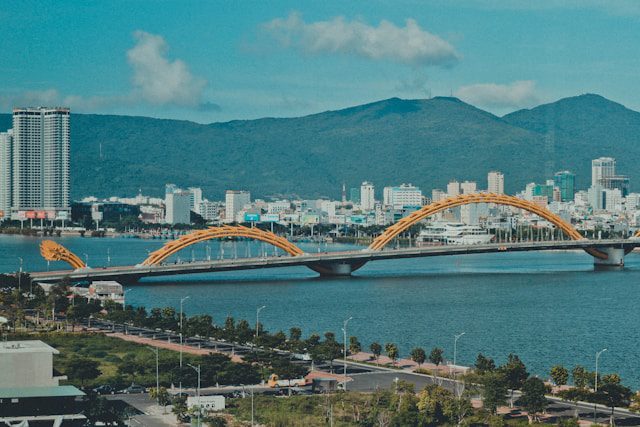
Da Nang has earned the nickname “Singapore of Vietnam” through aggressive development and city planning that prioritizes livability. The government’s commitment to infrastructure investment has created a modern city that functions efficiently without sacrificing the charm that makes Vietnam appealing.
The city’s layout makes logical sense, a rarity in Southeast Asia. Streets follow grid patterns in many areas, making navigation intuitive. Well-maintained roads accommodate traffic without the chaos defining Hanoi or Ho Chi Minh City. Even during rush hours, commutes remain manageable. The Han River provides natural division between districts while bridges connect areas efficiently, creating flow that prevents bottlenecks.
Construction is everywhere in Da Nang, signaling rapid growth and transformation. While some expats find constant building activity disruptive, it indicates a city investing in its future. New residential developments, commercial centers, and infrastructure improvements appear regularly. This growth attracts additional expats, businesses, and investment, creating momentum that suggests Da Nang’s appeal will only increase in coming years.
The healthcare infrastructure serves expats adequately for routine needs. While not matching Bangkok or Singapore for complex procedures, Da Nang hosts several hospitals and clinics catering to international patients with English-speaking staff. Dental care proves particularly affordable, with cleanings costing around $40 and quality comparable to Western standards. For serious medical issues, Bangkok sits just two hours away by flight, providing access to world-class hospitals when needed.
Shopping and retail infrastructure has modernized significantly. International supermarkets stock familiar Western products alongside Vietnamese goods. Modern malls provide air-conditioned shopping, entertainment, and dining options. While selection doesn’t match Ho Chi Minh City’s variety, most expats find everything they need without difficulty. Local markets offer fresh produce, meat, and seafood at prices that make home cooking economical and enjoyable.
Internet reliability deserves special mention. Da Nang offers high-speed fiber connections throughout the city, with downloads typically reaching 200-500 Mbps. Unlike some developing cities where connectivity proves frustratingly inconsistent, Da Nang’s internet works reliably, crucial for digital nomads and remote workers whose livelihoods depend on stable connections. Cafes throughout the city offer free wifi, though speeds vary. Power outages occur occasionally but less frequently than in less developed Vietnamese cities.
Public services function more efficiently than in many Vietnamese cities. Government offices dealing with visa extensions, temporary residence cards, and other bureaucratic necessities operate with relative transparency. While patience remains necessary and processes can feel opaque compared to Western standards, Da Nang’s administration has improved significantly, making life easier for long-term foreign residents.
The airport quality and efficiency provides final evidence of Da Nang’s infrastructure commitment. The modern terminal handles international traffic smoothly, with immigration and customs processes reasonably efficient. For a city of one million, having an international airport of this caliber represents significant investment in connectivity and growth.
Making Da Nang Your Home
Da Nang isn’t perfect. The rapid development means construction noise and dust are constant companions. The weather during October through January brings heavy rains and occasional storms. English proficiency remains limited outside tourist areas, requiring patience and language learning efforts. The expat community, while growing, can’t match the size and diversity of Bangkok or Ho Chi Minh City.
Yet for many expats, Da Nang’s advantages far outweigh these limitations. The combination of extreme affordability, beautiful coastal setting, strategic location, welcoming community, and modern infrastructure creates a lifestyle difficult to replicate elsewhere. You’re living in a city that feels simultaneously small-town friendly and internationally connected, beach-town relaxed yet infrastructurally sophisticated.
The expats choosing Da Nang aren’t typically those seeking the path of least resistance. They’re individuals willing to learn some Vietnamese, adapt to developing city dynamics, and embrace the adventure of living in a place still carving its identity in the expat world. In return, they receive a quality of life that seems almost unfairly advantageous—beautiful beach living, excellent food, modern amenities, supportive community, and the ability to save significant money or live remarkably well on modest incomes.
Whether you’re a digital nomad seeking your next base, a retiree looking for affordable coastal living, or a remote worker wanting Asian adventure without sacrificing modern conveniences, Da Nang deserves serious consideration. The five reasons outlined here only scratch the surface of what makes this coastal city special. The real magic reveals itself through living here, discovering hidden cafes, building friendships with Vietnamese neighbors, watching spectacular sunsets from your apartment, and realizing that you’ve found something genuinely special in this rapidly rising Vietnamese gem.
Still weighing up your visa options?
Tell us your nationality, your plans and how long you want to stay. We will put you in touch with immigration specialists who handle these applications daily.


