Jakarta’s MRT Extension North to Kota, the Old Town
Since March 2019, Jakarta’s first MRT line has run from Lebak Bulus in the south to Bundaran HI, the famous roundabout in front of Hotel Indonesia. It carries around 47 million passengers a year (Office of the Vice President, 2026), and for many residents it changed what a working day in the capital feels like. Now the line is heading north, under the old heart of the city, to Kota.

Here is what the Jakarta MRT extension involves, when it opens and why it matters for anyone who lives in or visits the city.
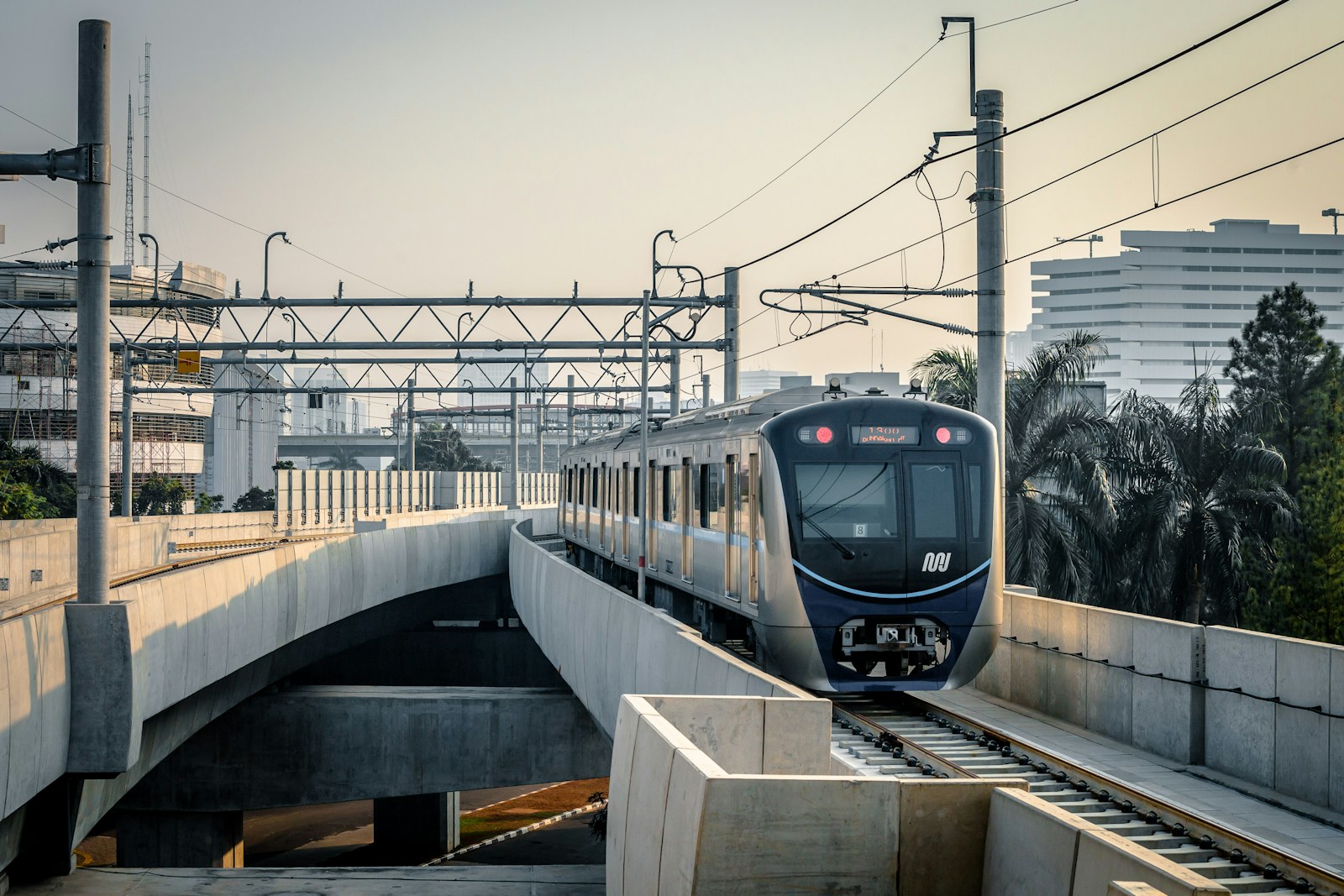
The route
The extension is known as Phase 2A of the North South Line. It runs about 5.8km from Bundaran HI to Kota, entirely underground, with seven new stations: Thamrin, Monas, Harmoni, Sawah Besar, Mangga Besar, Glodok and Kota (PT MRT Jakarta, 2026). It is funded through a loan from Japan, with a budget of around Rp25.3 trillion, about US$1.5 billion.
| Route | Bundaran HI to Kota, about 5.8km underground |
| New stations | Thamrin, Monas, Harmoni, Sawah Besar, Mangga Besar, Glodok, Kota |
| Overall progress | 61.80% (PT MRT Jakarta, June 2026) |
| Segment 1 | Bundaran HI to Monas, operations targeted for the end of 2027 |
| Segment 2 | Through Harmoni to Kota, targeted for the end of 2029 |
| Budget | About Rp25.3 trillion, around US$1.5 billion |
When it opens
The line opens in two segments. The first, from Bundaran HI to Monas, was more than 92% complete in March 2026 and is targeted to begin operations at the end of 2027. The second, through Harmoni and Glodok to Kota, is targeted for the end of 2029, along with the completion of the tunnels all the way to the old town (PT MRT Jakarta, May 2026).

Overall progress on the full extension reached 61.80% in June 2026. Indonesia’s vice president inspected the work at Harmoni in May 2026 and reaffirmed the end of 2027 target for the first segment.
What the new stations open up
The first two stations bring the MRT to the government and cultural core of Jakarta. Thamrin sits on the city’s main boulevard of offices and hotels. Monas serves Merdeka Square and the National Monument, the 132m tower topped with a gold flame that is the city’s best known landmark, along with the National Museum nearby.
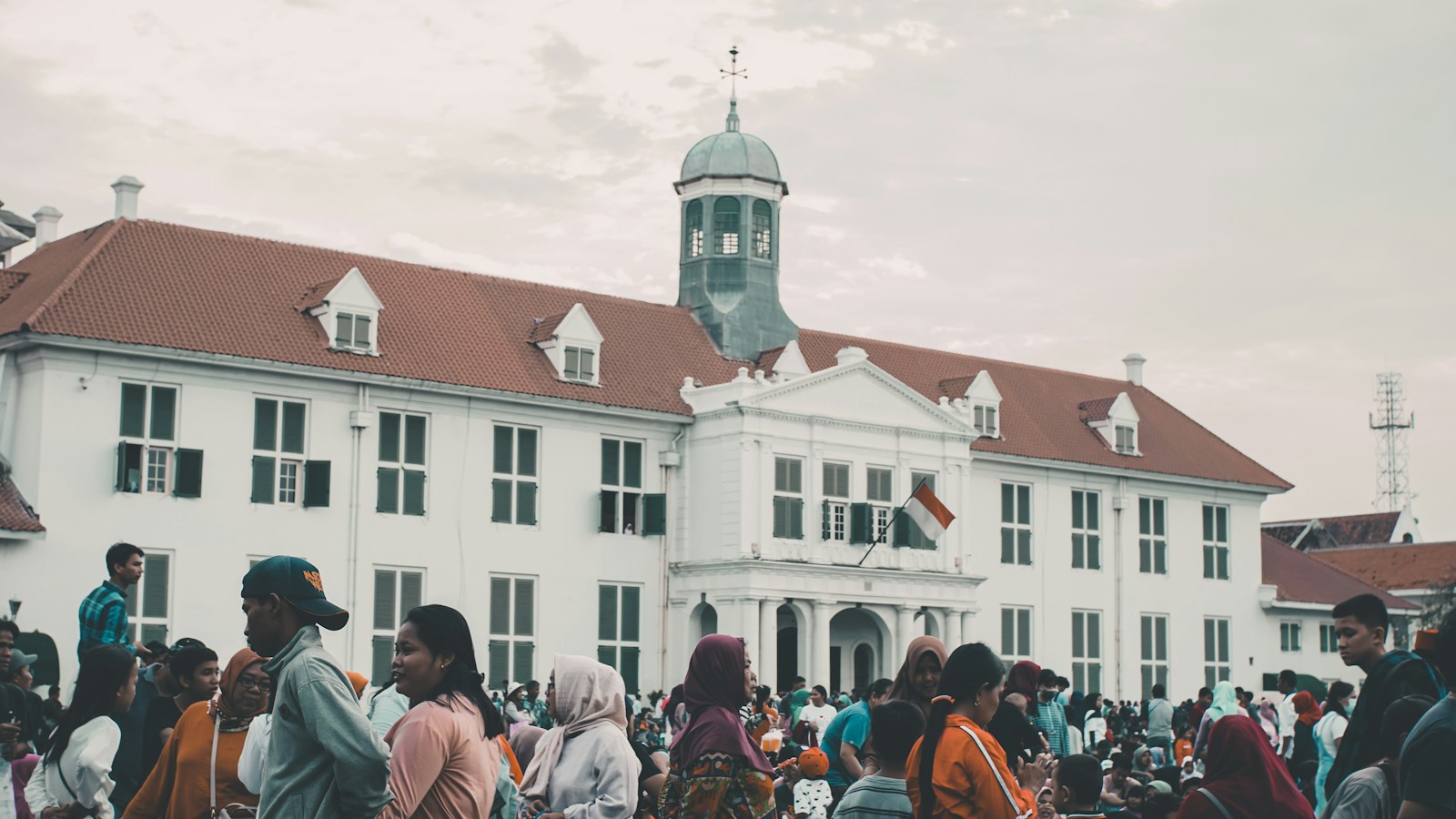
Further north, the line runs through some of the oldest parts of Jakarta. Glodok is the city’s historic Chinatown, with temples, herbal shops and some of the best street food in the capital. Kota is the terminus, at the edge of Kota Tua, the old Dutch town of Batavia, where Fatahillah Square, the Jakarta History Museum and the canal side warehouses tell the story of the city’s colonial past.
Why it matters for life in Jakarta
Jakarta’s traffic is famous for the wrong reasons, and the MRT is one of the clearest improvements the city has seen. The existing line already links the southern suburbs of Lebak Bulus, Fatmawati and Blok M with the business districts of Senayan, Sudirman and Thamrin. The extension carries that reliability into the north of the city.
For residents of the southern neighbourhoods popular with international families, it means a direct train to the old town and Chinatown for a weekend outing. For visitors staying around Thamrin, it puts Monas and Kota Tua a few stops away. And for the old town itself, it brings the steady flow of people that tends to revive heritage districts, with new cafes, galleries and restored buildings following the stations.
A further phase, known as 2B, is planned to continue the line north from Kota to Ancol on the waterfront.
Ride the line as it grows
Jakarta is changing below ground. For now, the best way to enjoy the north of the city is to ride to Bundaran HI and continue by road, but by the end of 2027 the MRT will reach Monas, and by 2029 it will reach the old town. For more on living in Indonesia, read our guide to the Indonesia Second Home Visa, and browse homes across the region on the Asia Lifestyle Magazine property portal.