


Plenty of places in Asia are beautiful. Fewer are places where people with real choices decide to build their lives. Phuket has become one of them. Over the last few years the island has moved from a holiday stop to a home for families, entrepreneurs and investors from Europe, Asia and the Middle East, and the money now arriving suggests the shift is lasting.

This is a look at why Phuket stands out as a lifestyle destination: the way people live here, the wealth on the island, the global names putting money into it, how it differs from Bali, and where it is heading over the next five years. Along the way we hear from two people who have spent many years in Phuket property, Asa Marsh and Oliver Hartwig.
A Lifestyle People Choose, Not Just Visit
Start on the west coast. Bang Tao Beach runs for several kilometres along the Andaman Sea, with morning swims, beach clubs and long sunsets. Behind it sits Laguna Phuket. In 1984 the group that became Banyan Tree bought 222 hectares of abandoned tin mine land at Bang Tao Bay, cleaned it up, planted more than 7,000 trees and opened Laguna Phuket in 1987 as Asia’s first destination integrated resort, according to Banyan Group. Today its lagoons, golf course, hotels and homes are part of everyday life on this stretch of coast.
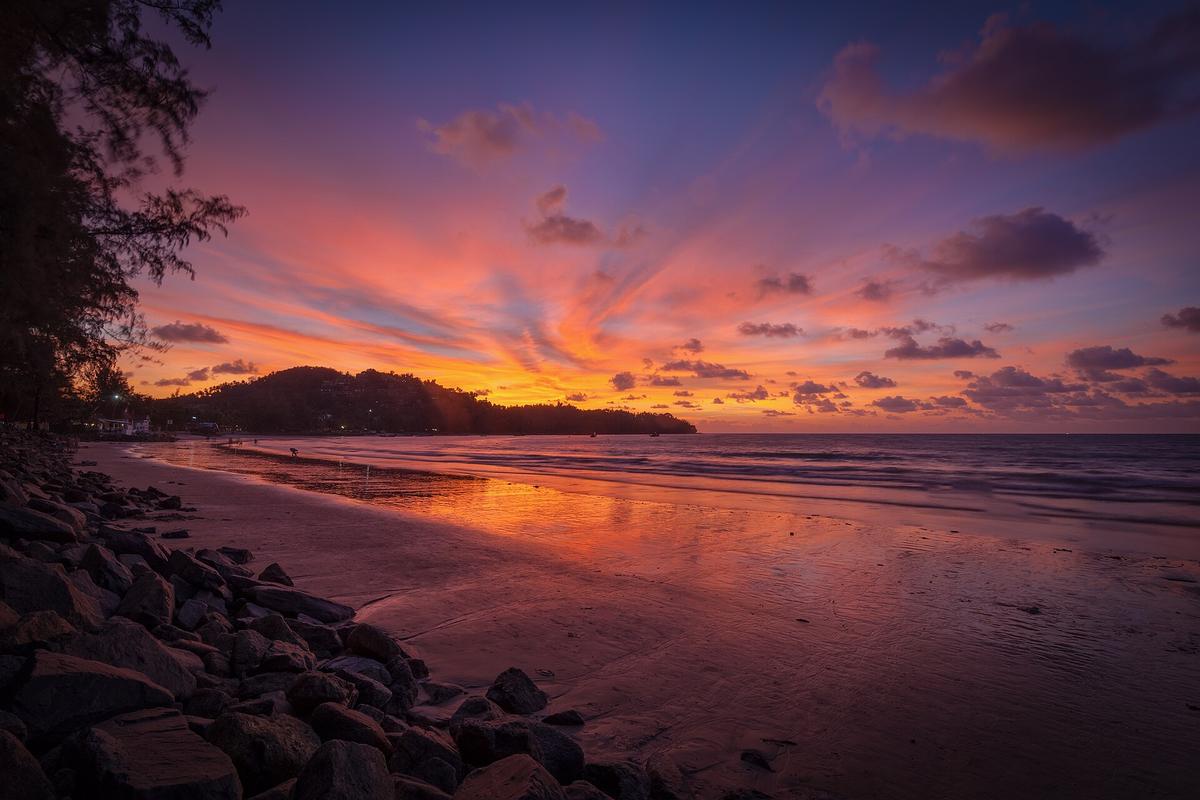

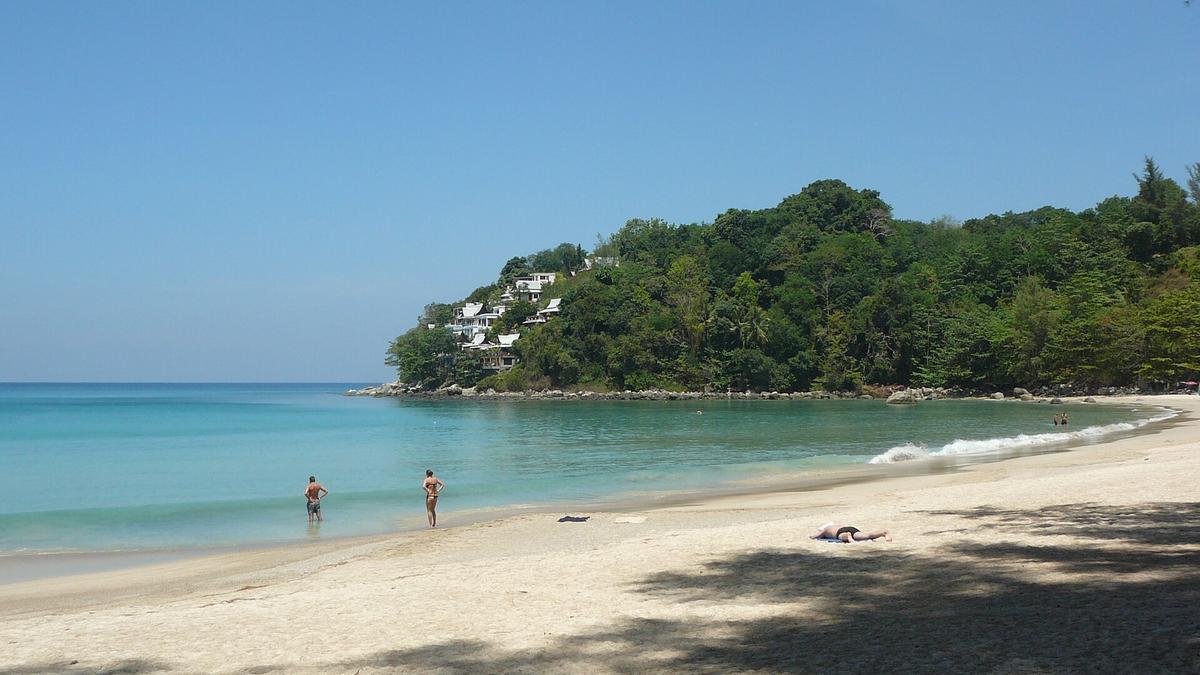
A short drive south is Kamala, where villas and residences climb the hillside above the bay, a stretch often called Millionaire’s Mile. To the north, Layan is quieter still.
Phuket is not only beaches. Phuket Old Town, with its Sino Portuguese shophouses, cafés and markets, is a reminder of the island’s tin mining past. In 2015 UNESCO named Phuket a Creative City of Gastronomy, and food remains one of the great pleasures of living here, from roadside kitchens to fine dining.


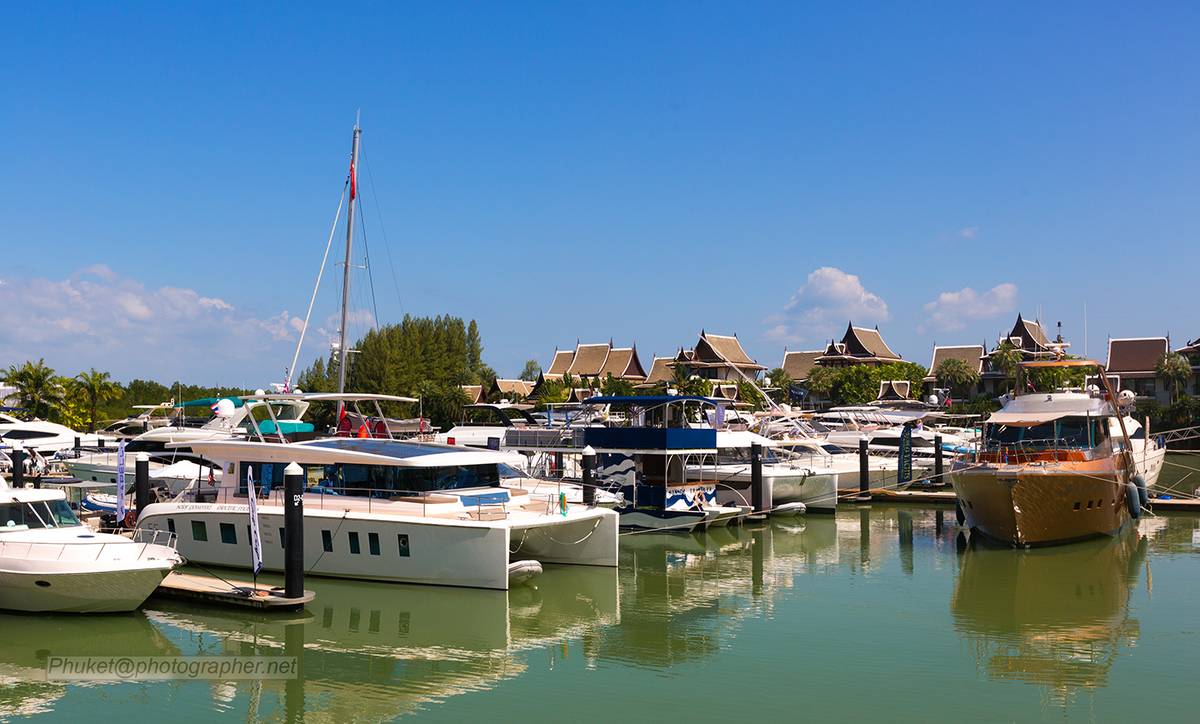
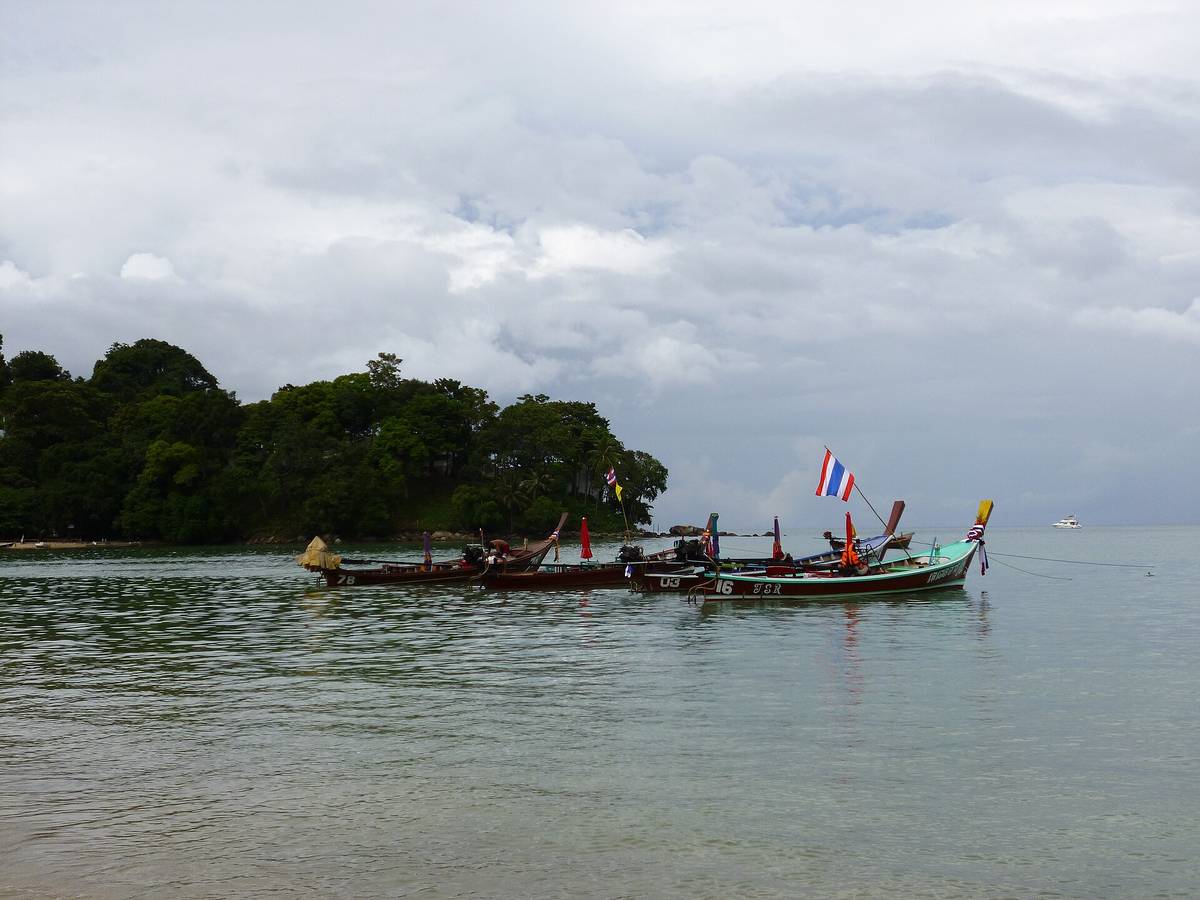
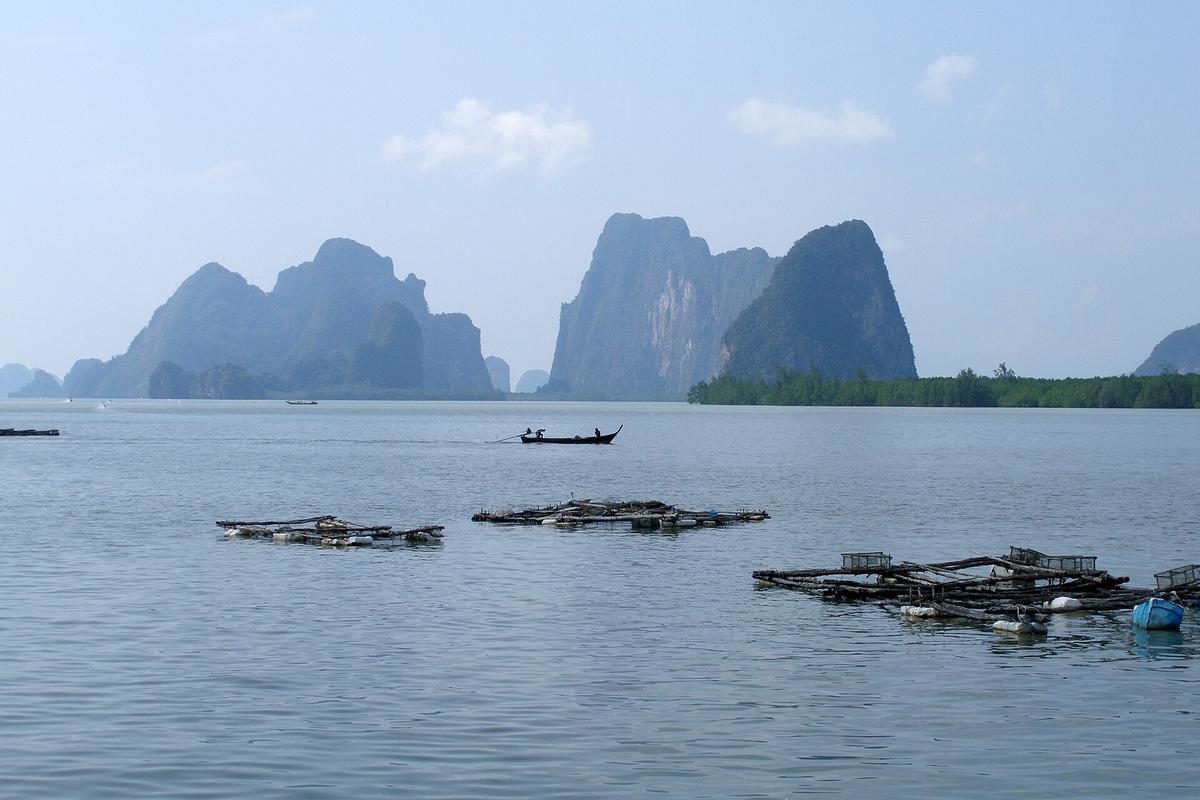
On the east coast, marinas such as Royal Phuket Marina put sailing within easy reach, and the limestone islands of Phang Nga Bay are a short trip by boat. Few places in Asia combine a working international airport, beaches, a historic town, good healthcare and open water in such a compact area.
Asa Marsh, who founded Easy Living Phuket in 2016, made the point about lifestyle in his closing keynote at Nestopa Property Pulse Phuket 2026. He told the room that the days of billboards promising guaranteed yields were over. The questions buyers ask now are whether they can live here, raise children here and build a life here. In his words as reported, the investment follows the lifestyle, not the other way around.
The Wealth Behind the Island
The numbers back up what you see on the ground. When Bumrungrad International Hospital announced its THB 4.3 billion (about USD 130 million) Phuket hospital in December 2025, its Chief Marketing Officer, Napas Paorohitya, described Phuket as a truly premium market driven by two forces: a local community of more than 400,000 Thai residents with high purchasing power, and an international community of 115,000 expatriates, who make up 27% of the island’s population.
According to the same announcement, Phuket’s gross provincial product per person is 62% higher than the Thai national average.
Property tells a similar story. Research firm C9 Hotelworks counts 3,465 branded residence units in Phuket in its Thailand Branded Residences Market Review 2026, second only to Bangkok in Thailand. IHG, announcing a new project on the island in January 2026, said Phuket ranks as the world’s seventh largest hub for branded residences, with a combined value of USD 2.3 billion.
At the top end, Sansiri’s first luxury pool villas on the island, The Tales Story One in Bangjo, start at THB 45 million (about USD 1.4 million), according to Forbes Thailand. The same developer is also launching condominiums at Patong Beach from THB 3.9 million, so the island still offers homes across a wide range of budgets.
The Big Names Coming to Phuket
The clearest sign of confidence in Phuket is who is arriving. A few examples from the past year:
- Marriott International and Thai developer Capstone Asset are building PEYLAA Phuket, the first Autograph Collection Residences in Asia Pacific, with 408 homes around 1.9 kilometres from Bang Tao Beach and an Autograph Collection hotel due in 2030.
- IHG and PROUD Real Estate launched The Residences at InterContinental Phuket Resort in Kamala in January 2026, with 111 residences next to the resort.
- Minor Hotels chose Layan for the first Asian property under its Minor Reserve Collection brand, a 100 room hotel with around 210 branded residences due in 2031, within a development that also includes Etro Residences Phuket, billed as Thailand’s first fashion branded residential project.
- Sansiri, the Bangkok listed developer that has been building in Phuket since 2011, set out a five year plan for Phuket in July 2026 covering 30 new projects worth THB 40 billion (about USD 1.2 billion) between 2026 and 2030.
- Bumrungrad International Hospital is building a THB 4.3 billion hospital less than 10 minutes from Phuket International Airport, with the first phase due to open in mid 2027.
Around Bang Tao alone, C9 Hotelworks finds that nine hotels and nine branded residences from seven global brands will deliver 1,640 hotel keys and 1,649 branded residence units between 2026 and 2030, alongside a new mall and the North London Collegiate School campus. Its report, The Bangtao Effect, notes that fashion and retail names such as ETRO and Central Group are now following the hotel groups into the area.

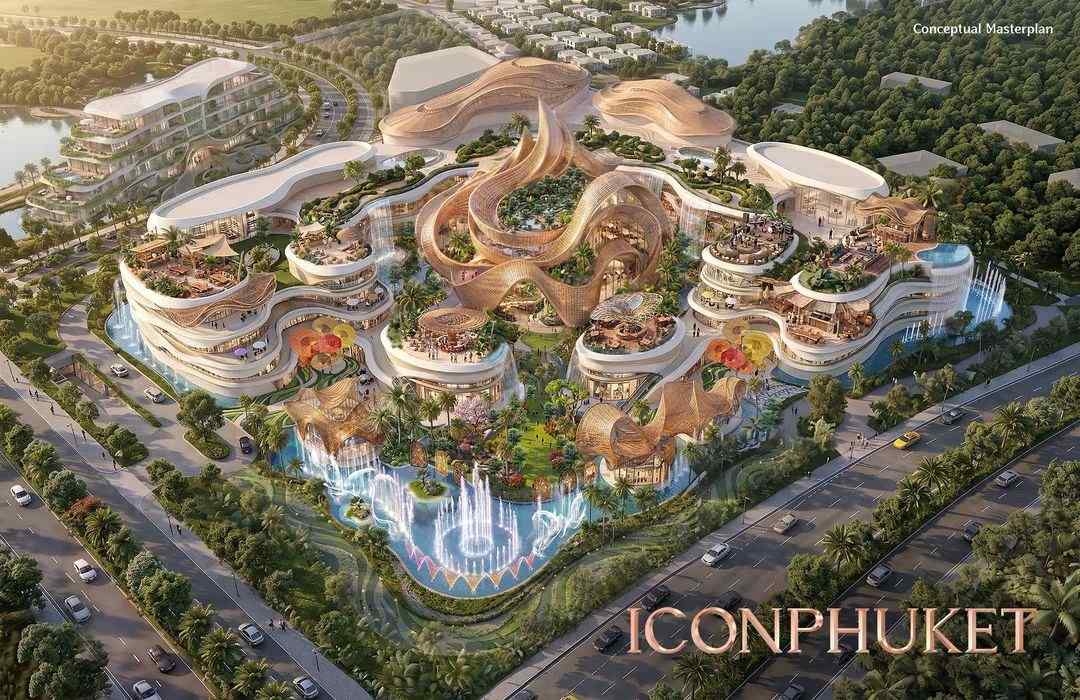
The north of the island is drawing big names too. On Thepkasattri Road in Thalang, Siam Piwat, the group behind Siam Paragon and a partner in ICONSIAM, plans ICONPHUKET, a THB 10 billion (about USD 300 million) destination due to open in 2029. It is the company’s first project outside Bangkok, as Khaosod English reported, and it sits at the heart of CV Group’s THB 50 billion Synthesis Ark Phuket development, with more than 40% of the plan given to green space.
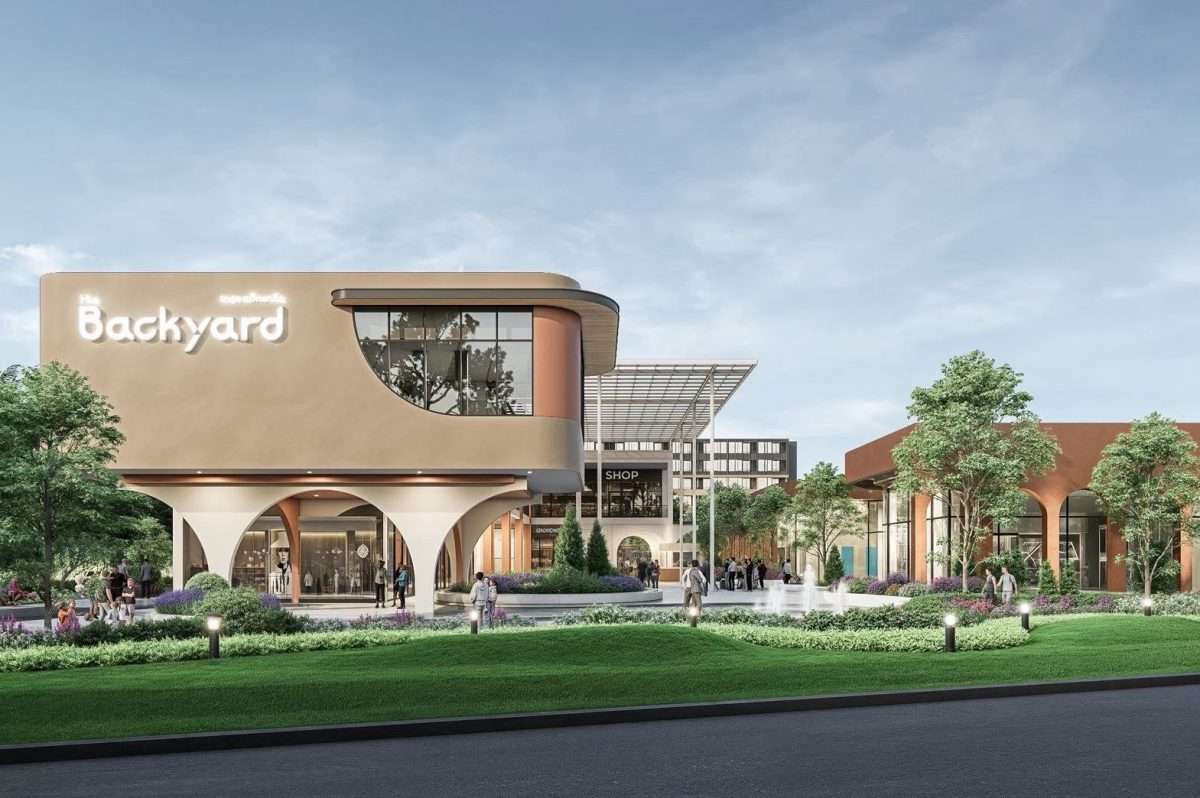
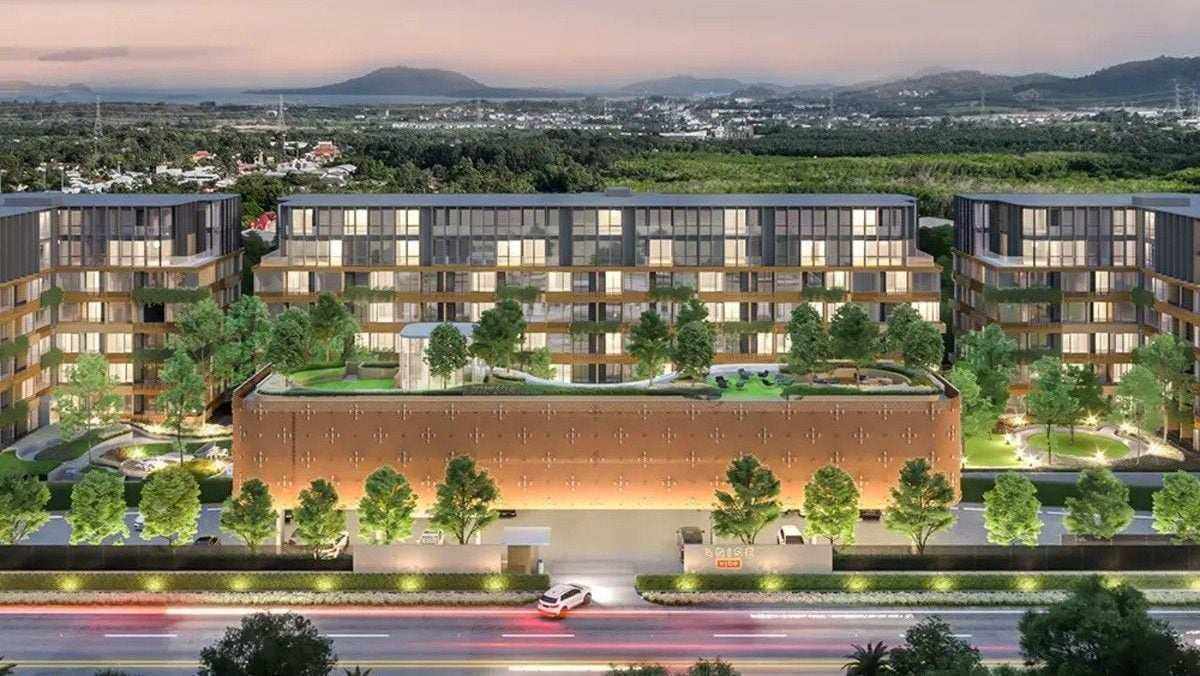
Nearby in Si Sunthon, everyday life is getting new places too. The Backyard is a THB 290 million community mall with cafés, a mini supermarket and lawns, planned for completion in the first quarter of 2027. Next to it, developer Ornsirin is building Arise Vibe, three seven storey buildings with 411 homes, a 60 metre saltwater pool and a shuttle to Bang Tao Beach.
Vivek Bhalla, Managing Director for South East Asia and Korea at IHG Hotels and Resorts, said at the InterContinental launch that Phuket continues to mature as one of Asia’s most desirable destinations for travellers and homeowners.
Oliver Hartwig has watched that maturing at close range for more than 20 years, through roles with Marriott and Anantara, as Executive Director of Sudara in Bang Tao and now as Head of Acquisitions at Easy Living Phuket. In October 2024, when his boutique brokerage Vanguard Realty Phuket was named Best Boutique Brokerage in Thailand at the Luxury Lifestyle Awards, he set out his goal:
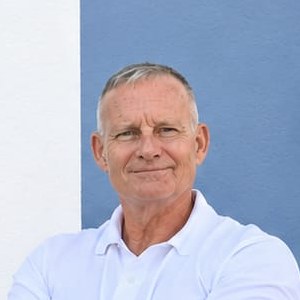
Our goal is to further establish Phuket as a top-tier destination for luxury living, and we are thrilled to be leading the charge.
Oliver Hartwig, Head of Acquisitions, Easy Living Phuket
Said in October 2024 as Director of Brokerage at Vanguard Realty Phuket
Why Phuket Is Different From Bali
Bali is the island Phuket is most often compared with, and both draw people looking for a better way to live. The differences matter most once you want to own a home and stay.
The first is ownership. In Thailand, a foreign buyer can hold a condominium unit in freehold title in their own name, as long as foreign ownership in the building stays within 49% of the total unit area. In Indonesia, freehold land title, known as Hak Milik, is reserved for Indonesian citizens under the Basic Agrarian Law of 1960. Foreigners in Bali usually rely on a lease or a right of use title with a fixed term.

The second is the direction of regulation. Bali has introduced a levy of IDR 150,000 on every foreign tourist since 2024, according to the provincial Love Bali programme, and in 2026 a regional regulation banned nominee ownership, while booking platforms began removing villas without a valid business licence. Those steps respond to real pressure on the island, and we covered them in Bali Property Laws: Enforcement Shocks and Market Shutdowns. For buyers, the effect is that the rules are still being written.
Asa Marsh made the comparison in June 2026, writing on his own site:

Bali draws lifestyle capital in volume, but the leasehold structures that dominate the market, combined with regulatory ambiguity, make it a harder hold for buyers prioritising estate planning or portfolio liquidity.
Asa Marsh, Managing Director, Easy Living Phuket
Writing on asamarsh.com, June 2026
The third is the kind of life on offer. Bali’s appeal is its culture, its rice terraces and its creative scene. Phuket, Thailand’s largest island, offers a more developed set of services for families who settle: international schools, private hospitals, marinas and an established resale market, with an international airport at the north end of the island.
Where Phuket Is Heading in the Next Five Years
Much of what will shape Phuket by 2030 is already in motion.
Access comes first. Phuket International Airport already handles more than 17 million passengers a year against a designed capacity of 12.5 million, Pattaya Mail reported in October 2026. Construction of the Phase 2 international terminal is due to start in 2027 and finish in 2032, lifting capacity to about 19 million passengers a year. Airports of Thailand has also been studying a new Andaman International Airport in Phang Nga, designed for up to 22.5 million passengers a year.
On the ground, a motorway and railway corridor known as MR9 is planned to link Phuket with Surat Thani, the gateway to Koh Samui, and with Krabi, and a light rail line is planned on the island from the airport to Chalong. Asa Marsh has written about what the railway would mean for the Andaman coast.
There is also a push to treat Phuket, Phang Nga and Krabi as one region. At a Phuket Real Estate Association conference in 2026, Montavee Hongsyok, the association’s Vice President, made the case for the three provinces to become one special economic zone, an idea he calls One Andaman. Asa Marsh supports the idea. Writing on asamarsh.com in September 2026, he argued that a special economic zone would let infrastructure projects move a lot faster and bring better connectivity, making property in the area more attractive to many buyers, because in his view access is everything. He also expects Phuket to support its neighbours, with some of the wealth coming into the island reaching Phang Nga and Krabi too.
Land is the other constant. As Asa Marsh points out, Phuket is an island, so land to build on is limited. With Sansiri’s 30 projects, the Bang Tao hotel and residence pipeline, the NLCS campus and the new hospital all due to arrive by 2030, demand for that land is unlikely to ease.
What It Adds Up To
Phuket’s case does not rest on one thing. It is the beaches and the Old Town, the food and the sea, combined with the schools, hospitals, airport and ownership rules that let people stay. The world’s hotel groups, developers and investors are betting that the island’s next five years will build on that, and the plans already announced point the same way.
If you are thinking about a move to Phuket, these are good places to start reading.
Read more:
- Sansiri in Phuket: The Five Year Plan and the Arrival of The Tales
- Inside Peylaa Phuket, Asia Pacific’s First Autograph Collection Residence
- Phuket Old Town Guide: History, Food and Vegetarian Festival
- Nestopa Property Pulse Phuket 2026: Event Recap and Market Outlook of Phuket
- Koh Samui vs Phuket: Two Islands, Two Completely Different Buyers
- Bali Property Laws: Enforcement Shocks and Market Shutdowns
- Thailand’s Islands, Ranked by Flight Time


