


Why Malaysians Are Choosing Singapore: Trends, Implications and Expat Outlook
A remarkable surge of Malaysians is formally relocating to Singapore. Recent figures show over 6,000 Malaysians renounced their Malaysian citizenship for Singapore in the first half of 2025, on pace to surpass the record 16,930 in 2024. Overall, from 2015 to mid‑2025 about 98,300 Malaysians have given up their passports to become Singaporeans. This trend, backed by official data, reflects a strong and growing preference for Singapore as a destination.

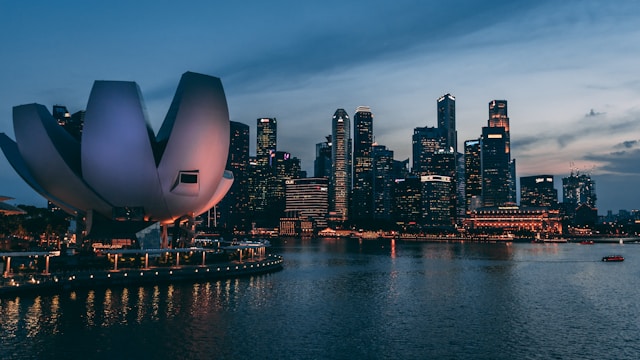
Why Singapore Is Attractive
Experts and migrants cite several pull-factors. For example, Singapore’s economy offers higher salaries and spending power – the Singapore dollar is strong (about S$1 ≈ RM3.50) and incomes in many sectors far exceed those in Malaysia. The Singapore workforce is seen as stable and well-regulated, with clear career paths, making the move “a calculated career move” for many.
A Singapore passport is also highly coveted for global mobility. In addition, migrants frequently cite quality-of-life reasons: world-class education, healthcare, and a multilingual society that eases integration. Singapore and Malaysia share cultural and linguistic ties, so Malay, Chinese and Indian Malaysians feel at home in Singapore’s multicultural environment. In summary, Malaysians moving south often mention better opportunities (higher pay and career stability) and improved prospects for their children (education, health, social services).
-
Economic incentives: Singapore offers higher wages and a strong currency, giving Malaysians more purchasing power.
-
Global mobility and stability: The Singapore passport ranks among the world’s most powerful, and the country’s governance is viewed as transparent and meritocratic.
-
Education and family futures: Many migrants move for their children’s education and long-term prospects, valuing Singapore’s schools and social infrastructure.
-
Cultural familiarity: With similar cultures, languages (Malay, English, Chinese) and proximity, Singapore feels like a “home abroad” to many Malaysians.
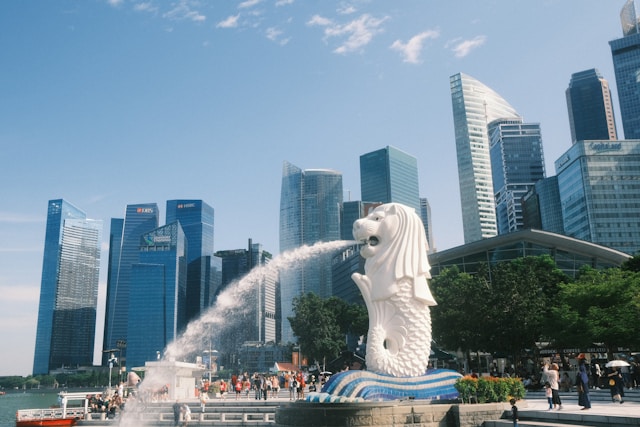

Diaspora Ties and Property
Moving to Singapore doesn’t always mean cutting all ties with Malaysia. In fact, migrants often maintain material connections to their homeland. Studies note that diasporas typically “maintain affective and material ties” to their origin countries. Practically, this is seen in property ownership: Malaysia permits foreigners (including former citizens) to buy real estate above set value thresholds. Thus, many naturalized Singaporeans still own land or homes in Malaysia, using them as investments or retirement assets. (For example, a Singaporean investor of Malaysian origin can purchase condos or houses in Kuala Lumpur or Johor subject to minimum prices.) In short, relinquishing a passport is often a legal formality: families remain geographically and economically linked across the Straits of Johor.
Planning a move to Asia?
Tell us where you are now and what the move looks like. We will match you with people who have done it before and can save you the expensive mistakes.
Impact on Malaysia
Malaysian authorities are attentive to this talent outflow. Over 60% of Malaysians abroad are in Singapore (about 1.13 million out of 1.86 million Malaysian emigrants as of 2022). Economists warn this “talent exodus” could, if unchecked, eventually hamper Malaysia’s economic growth. Migrant workers interviewed say Malaysia needs to improve political stability, income equality and infrastructure to retain skilled citizens.
In the short term, though, Malaysia’s economy remains on track: growth in Q1 2025 was about 4.4% with unemployment at ~3.1%. But the deepening brain drain poses a medium‑term challenge. Conversely, Singapore benefits from this influx of talent – and is taking steps to integrate both economies. For instance, Singapore and Malaysia have launched the Johor–Singapore Special Economic Zone (JS-SEZ), targeting 50 projects and 20,000 skilled jobs in five years. This joint initiative (with tax incentives and streamlined permits) aims to harness the strengths of both countries, reflecting how interconnected their futures are.

Future Outlook for Expats
Looking ahead, Singapore is expected to remain a magnet for high-skilled workers, leveraging its stable policies and global ties. It revised its 2025 GDP forecast down to 0–2% due to global uncertainties, but continues to draw investment (Singapore is a top investor in Malaysia, especially in finance and tech). Malaysia must navigate political shifts and competition from neighbors, but recent projects suggest it’s investing in growth (e.g. Johor’s influx of foreign investment, some 80% from abroad, largely Singaporean).
For expats weighing options: Singapore offers world-class infrastructure and career opportunities (though at a high cost of living), while Malaysia offers a lower cost base and programs like Malaysia My Second Home for retirees. In both countries, securing the right visa is key.
Sign up for our Malaysia/Singapore Visa Waiting List to connect directly with our trusted partners across the Malacca Strait. Get guidance, insider support, and a smoother relocation experience.
Sources
theonlinecitizen.com, theindependent.sg, channelnewsasia.com, migrationpolicy.org, wise.com, cnplaw.com, mckinsey.com, reuters.com
Still weighing up your visa options?
Tell us your nationality, your plans and how long you want to stay. We will put you in touch with immigration specialists who handle these applications daily.


