Thailand’s New VAT Tax Increase: What This Means for Thailand’s Economy and Expats
Thailand’s value-added tax (VAT) policy is at a pivotal juncture. For decades the country has maintained a VAT rate well below its statutory level, but fiscal pressures and post-pandemic realities are driving debate about a possible increase. Currently, Thailand’s VAT tax rate is 7% (reduced from a 10% legal rate) and is set to remain at this level through September 2025. The government is now weighing whether to raise VAT to 10% or higher in the near future. This article analyzes the current VAT policy, proposed changes, and the broader economic reforms tied to this shift. It also examines what a VAT increase would mean for business-savvy expats, digital nomads, and long-stay visitors in terms of cost of living and lifestyle. Finally, we review Thailand’s tourism recovery (2020–2024) to understand the economic backdrop for these tax discussions.


Current VAT Policy in Thailand
Thailand’s standard VAT rate is officially 10%, but for many years it has been applied at a reduced 7% rate under special policy measures. This 7% VAT has been repeatedly extended by successive governments to stimulate consumption and support the economy. Most recently, authorities confirmed the 7% rate will remain in effect at least until September 30, 2025 (and in fact a caretaker cabinet just extended it further to September 2026 to avoid a sudden hike). The VAT was originally cut from 10% to 7% during the late 1990s Asian financial crisis and has never reverted to 10% since 1999, with extensions rolled over continuously. This long-standing tax relief has made Thailand’s VAT one of the lowest in the region. By comparison, many neighboring economies have VAT/GST rates around 10–12% or higher (Malaysia 10%, Indonesia 11%, Philippines 12%, etc.). Even Singapore, often seen as a low-tax competitor, recently moved its GST from 7% toward 9%.
In practical terms, the current 7% VAT applies to most goods and services in Thailand, contributing significantly to government revenue while keeping consumer prices relatively low. Certain essentials (like some fresh foods) are exempt or zero-rated, but most retail purchases, dining, accommodation, and travel services include VAT. The continuation of the 7% rate over decades reflects policymakers’ concern that a higher tax could stifle consumption and burden households. Indeed, officials have often justified extensions by citing the need to sustain consumer spending and economic confidence. For example, the scheduled VAT increase in 2024 was postponed to avoid dampening growth at a time when inflation and export weakness were already dragging on the economy. Similarly, maintaining the lower rate into 2025/26 is aimed at mitigating living costs amid an uneven economic recovery.
Proposed VAT Increase and Government Rationale
The Thai government is now openly contemplating an increase of VAT from 7% toward the full 10% (or possibly a phased approach) as part of a fiscal strategy. Finance Minister Pichai Chunhavajira has indicated that the administration is studying a VAT hike and its implications, emphasizing that any change must be carefully timed and “sustainable and fair to all parties”. If no further extensions are enacted, the VAT rate would automatically revert to 10% on October 1, 2025. However, officials are weighing either allowing this increase or extending the 7% rate for additional years (potentially up to 2028). Pichai stressed that the decision will depend on economic conditions rather than politics, acknowledging that while Thailand’s VAT is low by international standards, raising it during sluggish domestic growth could harm households and small businesses. This reflects concerns about the expat cost of living in Thailand and general consumer burden if prices were to jump with a higher VAT.

Why consider a VAT increase now? The primary driver is fiscal pressure and long-term sustainability. Government tax revenue in Thailand is relatively low – around 15% of GDP, which is about 3 percentage points lower than in peer economies. Pichai noted that Thailand’s tax collections lag comparable countries and estimates the government needs to boost annual revenue by roughly 600 billion baht (about USD 17 billion) to catch up. Increasing the VAT is seen as one way to achieve this. If the rate returns to 10%, it could significantly enlarge the tax base. Additional VAT revenue, according to officials, would be used to reduce public debt and fund economic initiatives. Thailand’s public finances have come under strain after years of stimulus and relief spending during COVID-19, and the government aims to shrink the budget deficit to no more than 3% of GDP within a couple of years after FY2026. Higher consumption tax receipts could help meet that goal, improving fiscal health without immediately resorting to deep spending cuts.
Moreover, policymakers argue that a VAT hike can be structured to advance social goals. Since VAT is based on spending, wealthier individuals generally contribute more in absolute terms, so raising the tax could have the rich pay a fairer share of public costs (assuming measures are in place to cushion low-income households). Pichai has framed a potential VAT increase as a tool to address income inequality, by channeling the extra funds into health, education, and housing programs for the poor. However, it’s worth noting that consumption taxes are typically regressive – affecting all consumers – so the government is proceeding cautiously, first building public understanding of why a higher VAT might be necessary. The Finance Ministry has signaled any hike would be gradual, not a sudden shock, possibly meaning a stepwise increase (for example, from 7% to 8% to 10% over a few years) to balance revenue needs with economic stability.
Economic context is crucial in this discussion. Thailand’s post-COVID recovery has been moderate, and only recently has tourism – a key pillar of the economy – roared back. GDP growth was a modest 2.6% in 2022 and around 2.5%–3% in 2023, trailing faster rebounds seen in some neighboring countries. Consumer spending and services are improving thanks to revived tourism, but exports and industrial output have faced headwinds. With inflation pressures easing in 2023 but still present, the government is wary of any policy (like a tax rise) that could curb domestic demand prematurely. This explains why the VAT proposal is being timed after the economy regains more strength. Officials explicitly delayed the increase in 2024 to avoid undermining the fragile recovery and to keep supporting consumption. By late 2025 or 2026, if growth accelerates (helped by tourism and investment), the administration may feel conditions are right to implement the VAT hike with less risk.
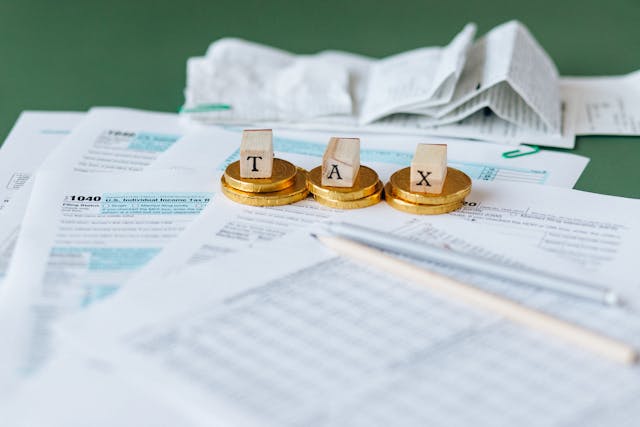
Broader Tax Reform Efforts (Corporate and Income Tax Cuts)
The debate over Thailand’s VAT increase is part of a broader push for tax reform and economic competitiveness. Alongside raising indirect taxes, the government has floated plans to reduce certain direct taxes to stimulate investment. Notably, Finance Minister Pichai has proposed cutting the corporate income tax rate from the current 20% to 15%. This would align Thailand with lower corporate tax rates used by many countries to attract foreign investment (a 15% rate would put Thailand on par with regional competitors and global trends). The idea is that by easing the tax burden on businesses and investors, Thailand can draw more foreign direct investment and encourage domestic expansion, which in turn grows the economy and tax base in the long run. A VAT increase thus fits into a strategic rebalancing: shifting the tax mix toward consumption taxes while lowering taxes on corporate profits. Such a shift could make the overall system more growth-friendly, at least for industries and high-value investments, even as it raises more revenue from consumer activity.
There are also indications of reforms in personal taxation and welfare to complement these changes. The government has discussed implementing a negative income tax system by 2027 to support low-income earners via direct payments. In essence, Thailand is contemplating a comprehensive overhaul where the tax system becomes more progressive through targeted transfers, while general tax rates are adjusted for efficiency and revenue. As part of this, all residents (including foreigners residing over 180 days) may be required to file annual tax returns to qualify for benefits. Though details are still emerging, long-term expats should be prepared for increased tax compliance as Thailand modernizes its fiscal framework. The overarching goal of these reforms is to ensure fiscal sustainability and fund public services without hampering the country’s investment climate. By raising VAT and broadening the tax base, Thailand hopes to finance infrastructure and social programs; by lowering corporate (and possibly personal) tax rates, it aims to enhance its appeal to investors and skilled professionals.

Setting up a business in Asia?
Company structure, licences, ownership rules, tax. Tell us what you are planning and we will connect you with advisers who handle it properly.
Tourism Revenue Rebound Post-COVID (2020–2024)
To understand the timing of Thailand’s VAT policy shift, one must consider the roller-coaster in tourism revenue over recent years. Tourism is vital to Thailand’s economy and tax receipts – it directly contributed around 11–12% of GDP pre-pandemic. The COVID-19 crisis caused an unprecedented collapse in this sector, drastically shrinking government revenues from tourism-related businesses. In 2019, international tourists spent roughly $60 billion in Thailand, but in 2020 that figure plummeted to just $13.4 billion as borders closed. The downturn worsened in 2021, with spending by foreign visitors estimated at only about $2 billion due to a mere 430,000 international arrivals that year. This drop in tourism income left a large hole in the economy and public finances.
Fortunately, 2022 marked the start of a recovery, and it accelerated through 2023–2024. International tourism receipts jumped to $14.9 billion in 2022 as Thailand cautiously reopened, then doubled to about $29.7 billion in 2023 with over 28 million arrivals. By 2024, foreign visitor spending reached $42.7 billion, a 44% increase from 2023. That represents roughly 71% of the pre-pandemic peak – a remarkable rebound, though not yet fully back to 2019 levels. The chart below illustrates Thailand’s recent tourism revenue trend from 2020 through 2024, highlighting the COVID shock and the strong recovery since.
Thailand’s international tourism revenue (foreign visitor spending) from 2020 to 2024, in USD billions. The tourism sector hit a low in 2021 and has rebounded significantly through 2023–2024.
This tourism resurgence is a double-edged sword for tax policy. On one hand, the economic boost from returning tourists has improved growth and may give the government confidence that the economy can withstand a VAT increase without stalling. On the other hand, policymakers do not want to jeopardize the recovery in travel and hospitality – industries that are sensitive to price changes. Notably, the VAT applies to hotels, restaurants, tours, and other services that tourists use. The Tourism Authority of Thailand (TAT) projects continued growth in 2025, potentially approaching pre-COVID visitor numbers. The government will be mindful that a tax hike should not significantly deter tourist spending. However, a 3 percentage-point VAT increase (from 7% to 10%) is relatively small in the context of a tourist’s overall expenses. For example, with travelers currently spending about 5,690 baht (~$160) per day on average in Thailand, a 3% rise in VAT might add roughly $5 or less to an average day’s expenditures. The country’s tourism sector has competitive advantages – natural beauty, cultural attractions, value for money – that likely outweigh a minor price uptick. Thus, while the tourism recovery provides a cushion for raising VAT, the policy will be calibrated to keep Thailand an attractive Chiang Mai budget travel and backpacker-friendly destination, as well as a haven for high-end tourists.
Implications for Expats, Digital Nomads, and Long-Stay Visitors
A change in VAT and related tax policies will directly affect long-term foreign residents and remote workers in Thailand. The most immediate impact of a VAT hike would be on the cost of living for expats. If the VAT rate rises to 10%, many consumer goods and services would become about 3% more expensive than before. Everyday expenses – groceries, dining out, utilities, transport fares, entertainment – would all reflect the higher tax. For example, a restaurant meal that costs 300 baht plus VAT would see the tax portion go from 21 baht to 30 baht. Over time, such increases can slightly tighten an expat’s monthly budget. Expats living on fixed incomes or pensions should be mindful of this potential creep in prices. That said, Thailand would likely remain affordable relative to Western countries even after a VAT increase. The overall price level is low, and a few extra baht on goods and services may be offset by other savings (such as inexpensive housing outside tourist zones or the availability of local markets). Many long-stay visitors have weathered exchange rate fluctuations larger than 3% without drastic lifestyle changes, so the VAT bump – while notable – is not expected to severely dent the “expat cost of living in Thailand” in most cases.
Digital nomads and remote professionals, who often operate on moderate budgets, could feel the impact in discretionary spending. For instance, coworking space fees, SIM card bills, coffee and meal expenses might all tick upward marginally with a higher VAT. Nomads attracted to Thailand for its low costs will want to adjust their budgeting calculators slightly. However, smart spending habits can easily compensate for the tax change – e.g., buying from local street vendors (often not VAT-registered) or negotiating longer-term apartment rentals (residential rents typically aren’t subject to VAT). Chiang Mai, long celebrated as a hub for budget-conscious travelers and expatriates, is likely to remain a great value. Even with a possible VAT increase, one can still live cheaply in Chiang Mai by utilizing local markets, affordable eateries, and other cost-saving strategies. (For detailed tips, see our resource on “How to Live Cheap in Chiang Mai.”) In short, while expats and nomads should plan for a modest rise in living costs, Thailand’s fundamental affordability and high quality of life will persist.
In terms of tax exposure and administrative matters, expats should also stay informed about the broader tax reforms. If corporate taxes are lowered, foreign entrepreneurs running businesses in Thailand could benefit from higher after-tax profits. This might encourage some expat-owned SMEs or startups to formalize operations in Thailand. On the personal tax side, the government’s move toward requiring all long-term residents to file tax returns could introduce new paperwork for expats. An expatriate who previously did not engage with the Thai tax system (perhaps living off overseas income) might, in the future, need to file a return to remain in good standing or to access any government benefits. While Thailand is not proposing to tax global income of foreign residents, the increased emphasis on tax compliance means expats may need to be more organized with their financial documentation. It’s advisable for expats to consult tax professionals or stay tuned to official announcements as the reform measures roll out. Overall, these changes underscore that Thailand is maturing its economic policies, and long-stay foreigners will be participants in this evolution – facing slightly higher costs but also potentially enjoying a more robust economy and improved public services as a result.

Moving Forward
As the government refines its plans, the business-savvy expat community would do well to stay informed and engaged. Thailand is expected to make final decisions on the VAT rate by late 2025, based on economic conditions at that time. If you’re considering relocating to Thailand or are already residing there, now is a great time to prepare for these changes. Adjusting budgets, understanding new regulations, and seeking professional advice can all help mitigate any surprises from the tax reforms. By doing so, expats and long-stay visitors can continue to thrive in Thailand’s dynamic environment.
-
Join our Thailand Relocation Guide waiting list to get up-to-date guidance on living, working, and investing in Thailand amid these policy changes. We provide tailored tips for expats to navigate cost of living shifts, visas, and more in this evolving landscape.
-
Access our Article “Ultimate Guide to Living in Chiangmai” for actionable strategies on budget travel and expat living in Thailand’s cultural capital. Learn how to maximize your Baht – from finding affordable housing to enjoying local amenities – so you can cushion the impact of any VAT increase and maintain your desired lifestyle.
By staying proactive and informed, foreign residents and travelers can continue to enjoy the rich experiences Thailand offers, even as the country’s tax landscape transforms for a new era.
Still weighing up your visa options?
Tell us your nationality, your plans and how long you want to stay. We will put you in touch with immigration specialists who handle these applications daily.