Thailand Expat Population 2026: How Many Foreigners Live in Thailand?
The Thailand expat population in 2026 continues to intrigue policymakers, investors, and would-be residents alike. How many foreigners live in Thailand in 2026,and what does the expat versus local split reveal about daily life in the Land of Smiles? With a mix of tropical beaches, vibrant megacity energy, and a comparatively low cost of living, understanding who’s here (and where they live) helps newcomers navigate housing, healthcare, and community with confidence.

This guide sizes Thailand’s foreign population using the latest projections, pinpoints where expats cluster, and explains who makes up this diverse community,migrant workers, retirees, professionals, students, and families.
Thailand’s 2026 Population at a Glance
Thailand’s total population in 2026 is estimated at about 71.8 million, growing modestly at roughly 0.15% annually. The society is steadily aging,median age nearing 40,and more than half of residents live in urban centers, especially the Bangkok Metropolitan Region. This shift fuels demand for skilled foreign workers in tech, manufacturing, and hospitality, and it also grows services for retirees, including expats who choose Thailand for its climate and medical care.
- Urbanization: Exceeds 52%, with Bangkok and surrounding provinces surpassing 10 million residents.
- Key expat magnets: Bangkok; Chonburi/Pattaya (industrial corridor + coastal lifestyle); Chiang Mai (mountain culture, cafés, coworking); Phuket (island living, hospitality sector).
- Why it matters: These hubs concentrate international schools, global hospitals, multilingual services, and job opportunities,making them natural first stops for new arrivals.
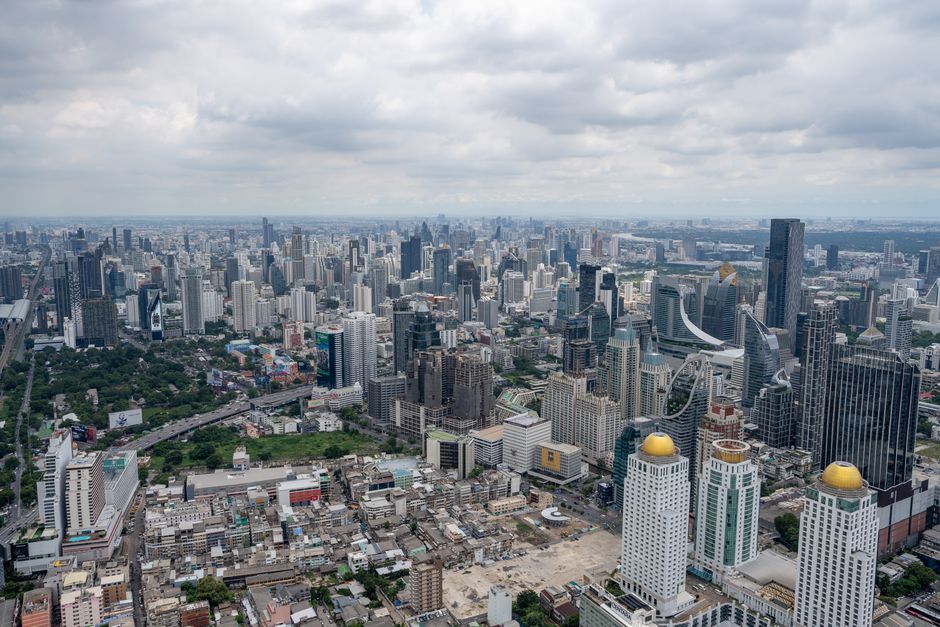

How Many Foreigners Live in Thailand in 2026?
“Foreigners” in Thailand span overlapping groups: migrant workers (construction, agriculture, manufacturing), long-stay professionals on work permits, retirees on long-stay visas, international students, and dependents. In 2026, the foreign population is estimated at approximately 4.2 to 4.5 million people, or around 6% of the total population. This range reflects both registered migrants and an undocumented labor segment concentrated near border regions.
- Myanmar: ~2.5 million, many in construction and manufacturing.
- Cambodia + Laos: ~700,000 combined, clustered in agriculture and services.
- Chinese nationals: ~300,000, drawn by investment and retirement options.
- Western expats: ~200,000, across retirees, entrepreneurs, and remote professionals.
- Japanese, South Korean, Indian communities: ~50,000,80,000 each, tied to multinationals and trade hubs.
Where they live: Bangkok hosts the broadest mix; Chonburi/Pattaya brings industrial jobs and coastal retiree living; Chiang Mai thrives as a digital-nomad base; Phuket blends lifestyle with hospitality entrepreneurship. Border provinces,Tak, Ranong, Sa Kaeo,see high concentrations of essential migrant labor.
“Post-pandemic, work-permit issuance and retirement-visa approvals have rebounded to pre-2020 levels, while new long-stay and remote-work pathways have broadened the professional expat base.”
Planning a move to Asia?
Tell us where you are now and what the move looks like. We will match you with people who have done it before and can save you the expensive mistakes.
Thailand Population Breakdown by Expat vs Local 2026
Locals account for roughly 94% of Thailand’s 2026 population; foreigners make up the remaining 6%. About 90% of foreigners are migrant workers from Myanmar, Cambodia, and Laos, driven by proximity and opportunity. The other 10%,approximately 400,000 to 450,000 people,includes retirees, skilled professionals, students, and families.
- Bangkok Metropolitan: ~1.5 million foreigners, from industrial districts to Sukhumvit’s professional core.
- Chonburi (incl. Pattaya): ~800,000; industrial corridor plus a large Western retiree scene.
- Border provinces: 1 million+ migrant laborers supporting agriculture and light industry.
- Chiang Mai: ~150,000; a blend of retirees and tech-savvy remote workers.
- Phuket: ~100,000; hospitality workers and lifestyle entrepreneurs.
Why this matters: Distribution shapes local services and costs. In Bangkok’s Sukhumvit, international schools, Western medical clinics, and English-friendly coworking spaces have multiplied. Pattaya and Phuket feature retiree-focused real estate; Chiang Mai’s cafés and studios tilt toward digital nomads; border towns prioritize basic worker housing and remittance services.
Typical costs, early 2026 (approx.): Central Bangkok one-bedroom rents ~US$600,$1,000/month; Chiang Mai ~US$350,$600. Private international hospital consultations often range US$40,$60. Comprehensive annual health insurance for retirees can start near US$1,200. These figures assume ~33 THB per US$1.

Where Expats Concentrate and What’s Next
To recap key concentrations and communities:
- Bangkok Metropolitan: ~1.5 million foreigners; mix of professionals and workers.
- Chonburi: ~800,000; industrial labor plus retiree lifestyle in Pattaya.
- Border provinces: 1 million+; essential migrant labor hubs.
- Chiang Mai: ~150,000; digital nomads and retirees.
- Phuket: ~100,000; hospitality, tourism, and lifestyle expats.
Top origin groups: Myanmar, Cambodia, Laos, China, Western countries, Japan, South Korea, and India. Together, they shape urban character and economic dynamism out of proportion to their 6% share,supporting restaurants and retail, boosting international education, and anchoring specialized healthcare and property markets.
Planning your move? Start with the paperwork, neighborhoods, and budgets. Explore detailed Thailand visas, scan current real estate rules and market signals, compare private and public healthcare options, and run the numbers with up-to-date cost of living data. Then dive deeper with a comprehensive Thailand country guide to match your lifestyle goals,city buzz, mountain calm, or seaside ease.
Bottom line: Thailand’s 2026 expat share,about 6%,punches above its weight. Whether you’re arriving for career growth, retirement simplicity, or digital freedom, a clear picture of where foreigners live and how they fit into Thailand’s broader demographic story will help you choose the right visa, neighborhood, and budget,and settle in sooner.
Still weighing up your visa options?
Tell us your nationality, your plans and how long you want to stay. We will put you in touch with immigration specialists who handle these applications daily.