Temple Manners in Thailand: How to Visit a Wat with Respect
Temple manners in Thailand matter in a country with more than 40,000 Buddhist temples, 44,195 at the last official count, from small village wats to the great royal temples of Bangkok. Almost all of them are active places of worship, where monks live, study and pray every day.

Visitors are welcome at nearly every one. Thai people are generous with first timers, and a few simple gestures show respect and are always noticed.
This guide covers dress, behaviour inside the hall, monks, almsgiving and the wai, plus the dates worth knowing for late 2026.
What a wat is
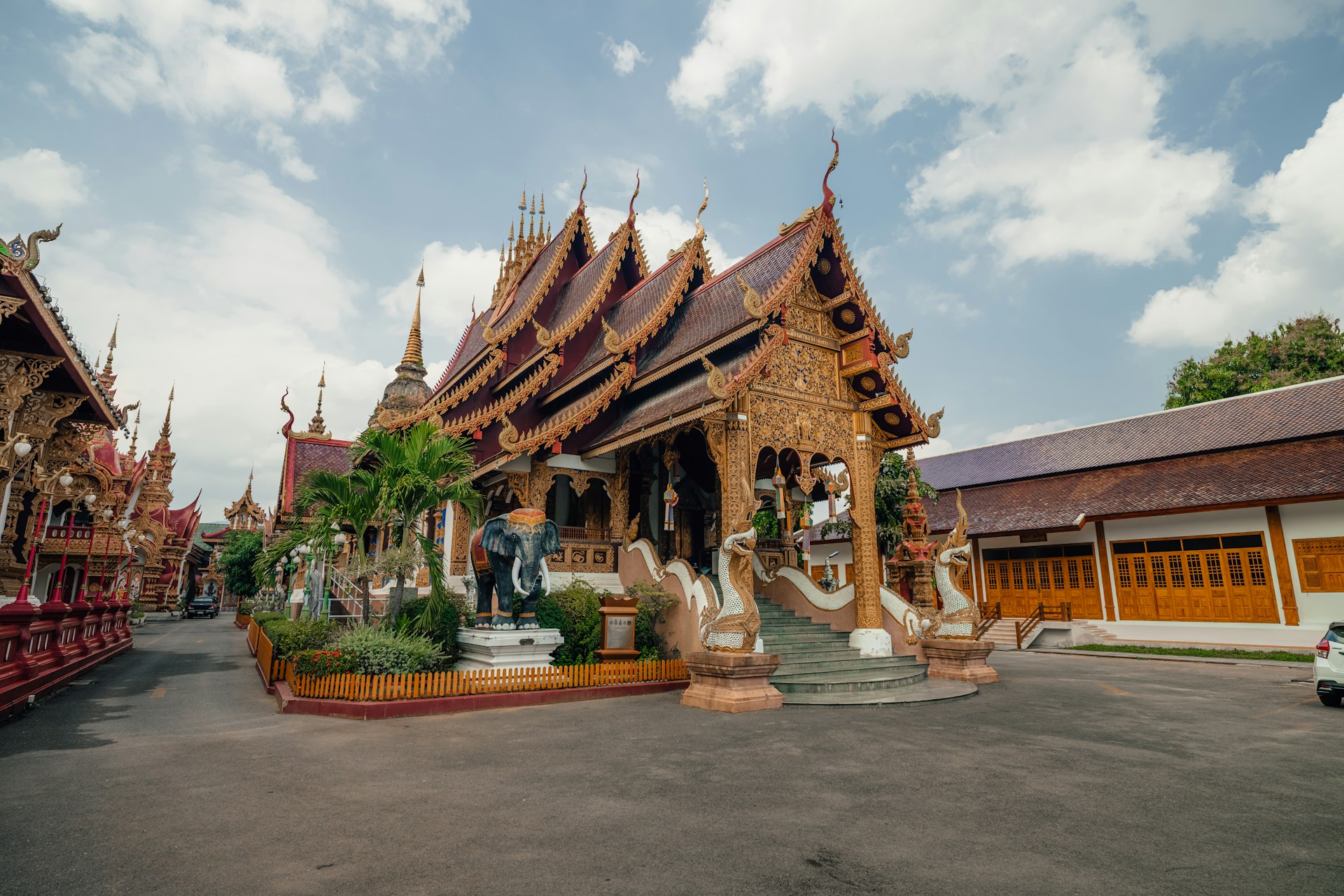
A wat is a Buddhist temple and monastery. The main buildings are the ubosot, the ordination hall where monks hold their most important ceremonies, and the viharn, the assembly hall where lay people come to pray. Most wats also have a chedi, a bell shaped tower that holds relics, and living quarters for monks.
Many wats double as schools, community centres and meeting places. You may see a funeral, a merit making ceremony or a group of novices doing their lessons. Treat it as you would a church or mosque at home.

Dress and arrive well
- Cover your shoulders and knees. Light trousers or a long skirt with a shirt that has sleeves works everywhere.
- Avoid tight, sheer or very short clothes, and clothing with religious images.
- Many temples lend wraps or sarongs at the gate, sometimes for a small deposit.
- Wear shoes you can slip off quickly. You’ll take them off many times in a day.
The Grand Palace in Bangkok, home of Wat Phra Kaew, the Temple of the Emerald Buddha, enforces the strictest code in the country. Shorts, ripped jeans, sleeveless tops and crop tops are refused at the gate. Entry for foreign visitors is 500 baht, and the site opens daily from 8:30am, with the last tickets sold at 3:30pm. Nearby Wat Pho, home of the Reclining Buddha, charges 300 baht. Both close for royal ceremonies, announced in advance.
Inside the hall

Take your shoes off before entering the main hall and leave them on the racks outside. Step over the raised threshold at the doorway rather than standing on it. Thais believe a guardian spirit lives there.
Once inside, sit on the floor with your feet folded behind you, pointing away from the Buddha image and from any monks. In Thailand the feet are the lowest part of the body and the head is the most respected, so pointing your feet at a sacred image or a person is a clear sign of disrespect.
- Speak softly and switch your phone to silent.
- Photography is allowed in most halls, but keep it discreet and never use a flash during prayers.
- Don’t touch, climb or sit on Buddha images, and never turn your back on one for a selfie.
- Don’t point at people or images with your finger. Gesture with an open hand.
Every Buddha image is sacred, whatever its size. Buddha heads sold as home decoration are seen as disrespectful, and Buddha images can’t be taken out of Thailand without an export permit.
Around monks

Monks follow a strict code of discipline, and visitors help by keeping a little distance.
- Women don’t touch monks or hand items to them directly. Place the item on a cloth or table, or pass it through a man.
- Don’t sit next to a monk on a bench, and let monks pass first in narrow spaces.
- Keep your head a little lower than a seated monk’s when you speak to them.
- Bangkok’s trains have seats marked for monks, and the river boats keep an area at the back for them.
Many monks enjoy a chat, especially at temples in Chiang Mai that run monk chat sessions for visitors. It’s a good way to ask questions about Buddhism and daily life in the monastery.
Tak bat, alms at dawn

Each morning, usually between 6am and 7am, monks walk barefoot through the streets to receive food from lay people. This is tak bat, the morning alms round, and it’s one of the oldest daily rituals in Thai Buddhism.
Visitors can take part. Buy simple food from a local market, such as sticky rice, fruit or packaged snacks. Remove your shoes, stand or kneel a little lower than the monk and place the food in the bowl without speaking. Monks may chant a short blessing in return. Never offer money into the bowl, and keep a respectful distance if you’re only watching. Flash photography in a monk’s face is very unwelcome.
The wai, the Thai greeting
The wai is a greeting made with palms pressed together and the head bowed slightly. It’s used for hello, thank you, goodbye and sorry.
Return a wai with a wai. The higher the hands, the deeper the respect. For friends and equals, the fingertips sit around the chin. For elders and teachers, they rise to the nose. For monks and Buddha images, they rise to the forehead. Monks don’t return a wai, so don’t be surprised when they don’t.
Staff in shops and restaurants may wai you as a customer. A smile and a nod is a perfectly polite reply.
Buddhist holy days in late 2026
Ok Phansa, the end of the 3 month Buddhist Lent, falls on 26 October 2026. Temples fill with merit makers early in the morning, and many towns hold candle processions and illuminated boat parades. Alcohol sales stop nationwide on major Buddhist holy days, including Ok Phansa, so plan dinners accordingly.
Wan Phra, the Buddhist holy day linked to the phases of the moon, comes around about 4 times a month. Temples are busier on these days, and the atmosphere is more devotional.
Common questions about temple manners in Thailand
Can I wear shorts to a Thai temple?
It’s best not to. Most temples ask for knees and shoulders to be covered, and the Grand Palace refuses entry in shorts. Carry a light sarong if you’re unsure.
Can women talk to monks?
Yes. Women can speak with monks freely. They just avoid touching them or handing items directly.
Is it OK to take photos inside temples?
In most halls, yes, as long as you’re discreet and don’t use a flash. Look for signs, and never photograph people praying at close range.
What should I give at tak bat?
Simple food such as sticky rice, fruit or sealed snacks. Offer it in silence, with your shoes off, and never give money into the bowl.
Do I need to do a wai?
Returning a wai is polite and always appreciated. A smile and a slight bow are fine if your hands are full.