


Suvarnabhumi Airport East Expansion: Bangkok’s Investment Future. 80-Million-Passenger Gateway.
Bangkok’s Suvarnabhumi Airport has broken ground on its East Expansion a decisive build that will lift annual capacity from 65 million to 80 million passengers and reinforce the hub’s position as Southeast Asia’s busiest gateway. It’s the first major move in Airports of Thailand’s multi-year upgrade plan, landing just as regional travel rebounds and Thailand doubles down on megaproject-led growth tied to the Eastern Economic Corridor. For travelers, it means fewer bottlenecks and more direct flights; for aviation investors and Bangkok-area property developers, it signals clearer paths to slot growth, higher occupancy, and rising demand across hospitality, logistics, and commercial real estate.

“Build capacity early and the routes will come, bank slots, boost connectivity, and the city’s economy follows.”
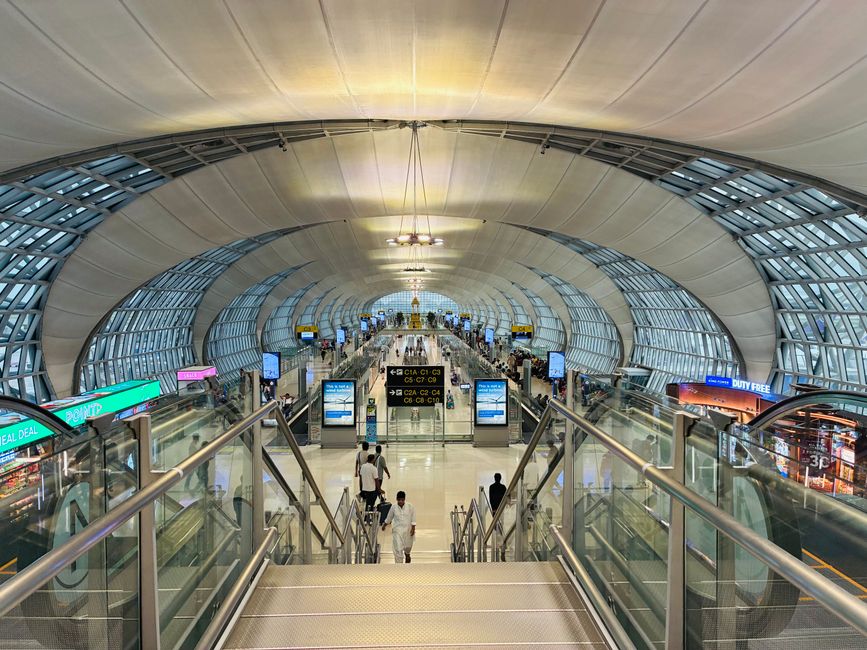
East Expansion Scope: New Terminal Space, More Gates, and Faster Processing
The East Expansion extends Suvarnabhumi’s main complex with new terminal floors linking to Concourse C, adding contact gates, larger check-in halls, expanded security and immigration channels, and next-gen baggage systems. The design brief is simple: speed up passenger flow and end the peak-hour squeeze.
- More contact gates: Fewer bus gates and faster turnarounds for airlines.
- Streamlined processing: Larger security/immigration areas, smarter queuing, and self-service everywhere.
- Baggage upgrades: Higher throughput belts and real-time tracking for smoother transfers.
- Digital touchpoints: Biometric boarding gates, smarter wayfinding, and accessibility features baked in.
Crucially, the new zones integrate with Satellite Terminal 1 (SAT-1), already serving long-haul wide-bodies. By balancing flows across both buildings, and with extra taxiways and apron stands, airlines can schedule tighter banks without compromising on-time performance. When complete, capacity rises to 80 million passengers per year, a ~23% lift that cushions demand spikes without returning to the crush conditions of 2019.

Timeline, Budget, and the Road to the South Terminal and Fourth Runway
Construction formally kicked off in early 2026, with phased openings targeted before the decade ends. The East Expansion sits inside a ~USD 6.4B five-year program spanning Suvarnabhumi and upgrades at Don Mueang, Chiang Mai, Phuket, and Hat Yai. Of that envelope, the East project accounts for roughly USD 1.2B for structural works, systems, IT, and fit-out to international standards.
What’s next: a full South Terminal to push total capacity toward 120 million passengers, and a fourth runway to unlock peak-hour slots and reduce weather-related delays. Together, these steps. East Expansion now, South Terminal mid-decade, fourth runway by 2032, form the backbone of AOT investments in Bangkok infrastructure and position Suvarnabhumi Airport for sustained double-digit growth through the 2030s.
The build-out aligns with national strategy: aviation sits alongside high-speed rail, ports, and industrial parks in the Eastern Economic Corridor (developments). Bigger terminal and runway capacity feeds cargo through U-Tapao and Laem Chabang, trims travel time for executives and skilled labor into EEC zones, and underpins a tourism rebound setting new records.

Meanwhile, Don Mueang Airport is adding parallel capacity for low-cost carriers, creating a two-hub system that spreads demand and gives Bangkok the runway and gate inventory to rival Tokyo, Seoul, and Shanghai.
Thinking about buying in Bangkok?
Tell us the budget, the area and roughly when you want to move. We will come back with straight answers from people who work this market every day.
Who Benefits: Travelers, Airlines, Investors, and Bangkok Property
Travelers will feel it first: shorter immigration lines, more self-service, additional security lanes, clearer signage, less stress on tight connections. More contact gates mean fewer bus rides from remote stands, a gift after long-haul arrivals when jet lag and baggage already test patience. Expect airlines to answer with added Europe/Middle East services, wider intra-Asia networks, and the return of carriers that paused Bangkok during the downturn.
Airlines and aviation investors gain visibility on slot availability and infrastructure capex. With the 15-million-passenger increment, fleets can upgauge, A320 → A321neo, 787 → 777X without inducing gate shortages or turnaround bottlenecks. Better on-time performance trims schedule buffers, lifts utilization, and tightens unit costs.
Bangkok real estate and logistics operators benefit as capacity growth drives demand for hotels, serviced apartments, warehouses, and last‑mile hubs. Occupancy near the airport is already above 2019 levels; developers are launching four- and five-star projects within a 20‑minute drive. Along the airport rail link and motorways, logistics parks are attracting e‑commerce fulfillment, cold chain, and cross-dock operations serving the EEC’s manufacturing base. Rising passenger and cargo volumes amplify rents and asset values across eastern Bangkok.
For those relocating or investing long-term, the East Expansion cements Bangkok as the natural hub for regional business travel, retirement, and family relocation. Better connectivity to secondary Thai cities and neighbors shortens weekend getaways, lowers fares through competition, and keeps ties tight with home markets in Europe, North America, and Australia.
Practical Considerations: Construction Phasing and Temporary Disruptions
AOT is staging works to keep terminals running, but travelers should expect occasional gate reassignments, temporary signage, and shifts in check‑in zones as sections open. Airlines will publish updated maps and gate details as each phase nears. Booking early and padding connection times during cut-overs (usually flagged 60–90 days in advance) will minimize surprises.
Investors and corporate travelers should track AOT’s quarterly progress reports and capex disclosures for milestone dates, budget burn, and scope changes. FX moves between THB and USD can sway costs and timelines, build flexibility into travel budgets and lease terms during the multi‑year program.
Thinking seriously about moving to Bangkok?
Tell us where you are now and what the move looks like. We will match you with people who have done it before and can save you the expensive mistakes.


