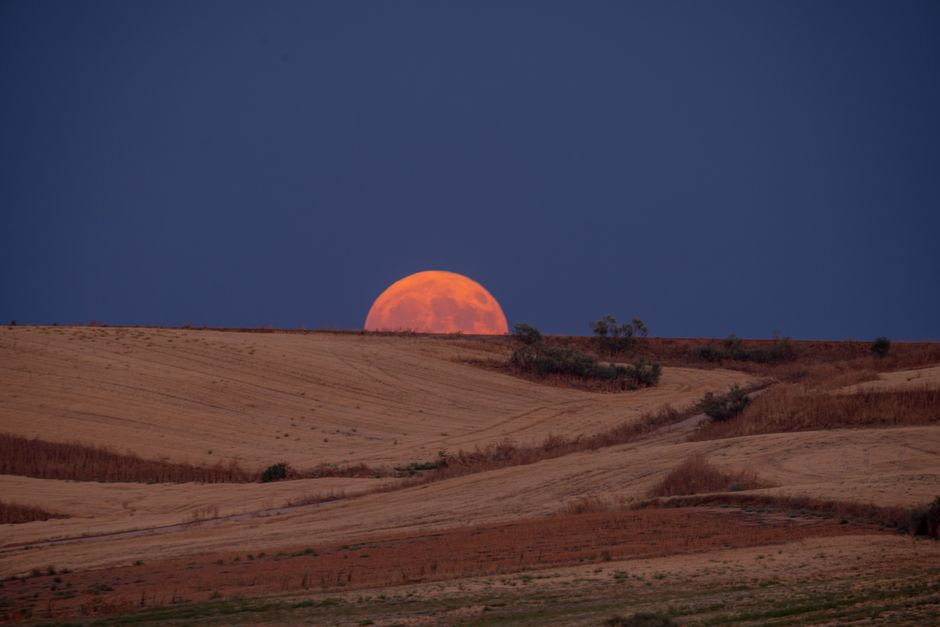
What Is a Blood Moon and Why It Matters in Thailand
A blood moon is a total lunar eclipse: Earth’s shadow veils the Moon, scattering sunlight through the atmosphere and painting it copper-red. Science explains the optics. Thai culture supplies the meaning. In Theravada Buddhism, the full moon is sacred; the lunar calendar sets the rhythm for holy days like Visakha Bucha and Makha Bucha, and temples fill with devotees on uposatha days, the moon quarters dedicated to extra merit-making.
Sometimes, eclipses align with these observances. In March 2026, totality coincided with Makha Bucha, drawing tens of thousands to temple courtyards from Bangkok to Chiang Mai. Rather than omens, many Thais saw a vivid prompt for contemplation: a reminder that the cosmos, like the mind, is in motion, arising, changing, fading.

Makha Bucha Significance and Red Moon Buddhism
Makha Bucha commemorates the spontaneous gathering of 1,250 enlightened monks to hear the Buddha’s Ovadha Patimokkha, a crystalline summary of the path. Temples hold wian tian, candlelit processions circling the ordination hall three times to honor the Triple Gem. Many observe the Five Precepts more strictly, adopt temporary vegetarianism, and extend meditation practice.
When a red moon appears on or near Makha Bucha, it intensifies the night’s teaching. Red moon Buddhism frames the eclipse as a living lesson in anicca (impermanence) and anatta (non‑self): forms shift; clinging softens. Senior monks often invite laypeople to notice discomfort without aversion, to strengthen sammā‑saṅkappa (right intention), and to let the passing shadow tutor the heart.
“Don’t fear the darkening moon. Let it show you how change is the only constant, and how kindness outlasts every shadow.”
Thailand’s Sangha tends to downplay superstition, reminding devotees that eclipses are natural phenomena. Yet the austere glow of a crimson moon above temple spires can make Makha Bucha night feel timeless, both fragile and deeply grounded.
Planning a trip to Asia?
Tell us your dates, who is travelling and what you want out of it. We will come back with somewhere to stay and things worth doing.
Thai Buddhist Astrology and the Rahu Myth
Alongside orthodox teachings, Thai Buddhist astrology weaves in Hindu cosmology and local animism. In this lore, eclipses occur when Rahu, the shadowy planet, briefly “swallows” the Moon. Old horasart texts map nine celestial bodies, including Rahu and Ketu, the eclipse nodes. While the custom of banging gongs to “scare Rahu away” has faded, it lingers in cultural memory.
Before an eclipse, shrines linked to Rahu often see more visitors. Devotees might bring black-toned offerings and light incense, or consult astrologers for simple protections that complement Buddhist practice.
- Black sticky rice or black sesame as symbolic offerings
- Dark-hued flowers placed at a Rahu shrine
- Carrying a protective amulet during the eclipse window
- Doubling down on dāna (giving) and sīla (moral conduct) as the most reliable safeguards
For visitors, these customs add cultural color. Yet the heart of the matter is simple: use the blood moon to practice generosity, steady the mind, and cultivate mettā (loving‑kindness). Wholesome actions, not planetary positions, shape the night.
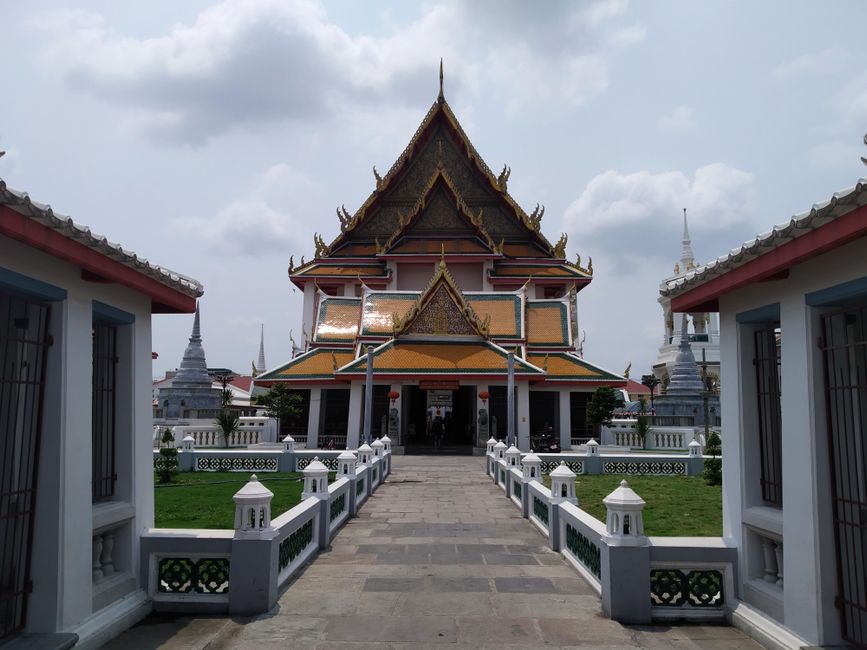
How to Observe a Blood Moon Respectfully in Thailand
Watching totality in Thailand is magical with a bit of planning. Temple courtyards make superb vantage points: the Golden Mount at Wat Saket offers 360‑degree views, Wat Arun frames the Moon above the Chao Phraya, and Doi Suthep’s elevation often rises above city haze. Public parks like Sanam Luang welcome families, while coastal lookouts, think Promthep Cape, deliver expansive horizons.
Etiquette applies whether the Moon is white or red: dress modestly, cover shoulders and knees, remove shoes on covered platforms, and keep voices low during chanting or wian tian. On major holy days like Makha Bucha, alcohol sales are banned nationwide by law, and many venues go dry, plan accordingly.
- Bring a mat or light blanket, water, and a red‑filter flashlight to preserve night vision.
- Lunar eclipses are safe to watch with the naked eye; binoculars enhance detail.
- Totality can last an hour or more, ideal for quiet meditation or photography.
- Check local astronomy groups for peak times and cloud forecasts before you go.
For broader context on temple visits, see Top 10 Unique Temples in Thailand You Must Visit for etiquette and standout sites.
Reduce headaches by reading Thailand Travel Mistakes First-Timers Make and How to Avoid Them and brush up on key do’s and don’ts with Thailand Travel Safety 2025: Essential Tips and Real Risks.
Planning a longer stay around Makha Bucha, Visakha Bucha, or Asalha Bucha? Compare entry and stay routes in Thailand Digital Nomad Visa and Short‑Term Stay Options.
Blending Science, Spirituality, and Cultural Respect
The spiritual meaning blood moon Thailand offers is a tapestry: optics and atmosphere meet Makha Bucha significance, red moon Buddhism teachings, and the Rahu myth. Whether you see scattered photons or a passing shadow, the invitation is the same, pause, reflect, and practice kindness. Arrive with curiosity, follow local customs, and let the fleeting beauty of a red moon remind you that everything, even the night sky, is always in flux.
Thinking seriously about moving to Asia?
Tell us where you are now and what the move looks like. We will match you with people who have done it before and can save you the expensive mistakes.