


Phuket Real Estate 2026: Market Update, Investment Outlook, and How Foreigners Can Buy
Phuket real estate in 2026 is showing remarkable resilience, defying earlier predictions of a slowdown. With international tourism surging past pre-pandemic levels and infrastructure upgrades improving island connectivity, foreign investors are circling Thailand’s tropical playground again. But here’s the twist: not all Phuket properties are created equal, and the legal landscape for foreign buyers demands careful navigation.

Whether you’re eyeing a beachside condo for rental income or a private pool villa for lifestyle and yield, understanding what’s shifted can be the difference between a smart asset and a costly mistake. *This guide distills the 2026 market update, pinpoints where value and risk now live, and explains exactly how foreigners can buy safely and effectively.*
“Buy the right product in the right location under the right structure,then manage it like a business.”
Phuket Real Estate Market Update 2026: What Buyers Need to Know
Tourism is the engine, and it’s roaring. International arrivals are pacing toward 12 million annually, eclipsing 2019 benchmarks thanks to expanded flight capacity from China, India, Russia, and the Middle East. The demand ripple is clear: branded residences from Anantara, Banyan Tree, and Marriott are fetching premiums, while lifestyle migrants and digital nomads are snapping up long-stay villas in Rawai and Layan.
Supply remains steady but selective. New condo launches cluster around Bang Tao and Cherngtalay, with the Laguna ecosystem anchoring family and resort demand. Kamala is seeing a wave of luxury sea-view projects, while villa pipelines in Rawai, Chalong, and the northwest beaches target buyers seeking space and privacy. Mid-tier condos near Patong and secondary roads face oversupply risk as rental pools fragment.
Current price benchmarks (USD):

- Resort-area condos: ~$120,000,$220,000 for one- to two-bedroom units with shared amenities.
- Prime sea-view/branded residences: ~$300,000,$600,000+.
- Pool villas (2,4 bedrooms): ~$450,000,$1.5M+, depending on location, view, and brand prestige.
Rental yields and seasonality: Condos typically deliver 5%,8% gross; villas 6%,10% gross. After management, HOA, utilities, and maintenance, net often settles around 3%,6%. High-season occupancy (Nov,Mar) is robust; shoulder/off-season varies sharply by location, amenities, and marketing reach.
Top areas to watch in 2026: Bang Tao, Cherngtalay, and Layan dominate premium family/resort demand with mature infrastructure, beach clubs, and international schools. Kamala attracts luxury buyers with sea-view villas and new branded towers. Rawai and Chalong offer better value for villa hunters and long-stay expats. Patong remains the nightlife hub but carries stricter short-term rental enforcement in some condo projects.
Macro factors: A strong USD discounts Thai baht prices for American, European, and Middle Eastern buyers. Meanwhile, short-term rental rules have tightened,many condos require hotel licenses or explicit juristic approval for platforms like Airbnb. Always verify rental legality before closing.
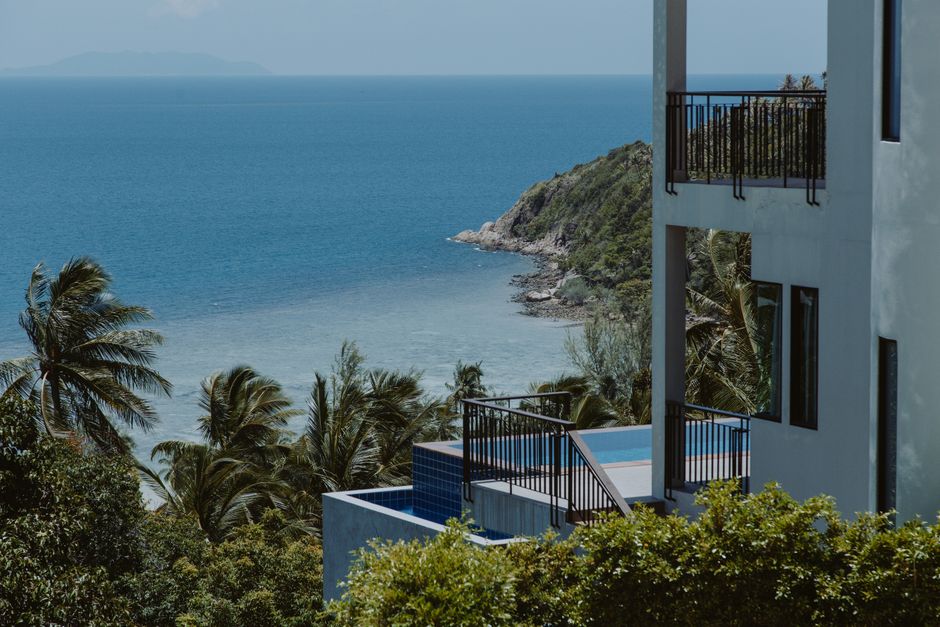
Is Phuket Property Still a Good Investment in 2026?
Short answer: yes,if you buy the right product in the right area under the right structure at a fair price.
Who it suits: Lifestyle-plus-rent buyers targeting 3%,5% net with personal use will find Phuket compelling, especially with the strength of Thailand’s healthcare infrastructure. Yield-focused investors willing to embrace active management can aim for 5%,7% net in top tourist zones,provided they secure reputable operators and price competitively.
Pros:
- Diversified tourism across leisure, wellness, golf, and family segments reduces single-market risk.
- Villas in prime zones remain scarce, supporting prices and rental depth.
- Brand ecosystems (Laguna, Cape Yamu, Twin Palms) deliver built-in marketing and management scale.
- Ongoing infrastructure (airport expansion, road upgrades) improves access and opens new pockets.
Cons and risks:
- Off-plan delivery risk and quality variance,favor proven developers or completed units.
- Condo oversupply in fringe areas can compress rates and resale liquidity.
- Short-term rental compliance is non-negotiable; unlicensed operations risk fines and platform bans.
- Currency swings and exit timing can materially affect total returns.
Quick scenarios: A one-bedroom condo around $180,000 in Bang Tao, hotel-managed, might yield ~6%,7% gross, netting ~3%,4.5%. A three-bedroom pool villa near Kamala or Bang Tao at ~$700,000, professionally managed, could run ~7%,9% gross, netting ~4%,6%.
What to avoid: “Guaranteed returns” that overshoot market reality, weak HOA governance, missing EIA/building permits, and condo foreign quotas already at 49% (which would force leasehold).

How to Buy Property in Phuket as a Foreigner 2026
Foreigners cannot own land outright in Thailand, but two routes unlock secure ownership or control.
Freehold condos: Foreigners can own up to 49% of a condominium’s sellable area as freehold, holding title outright. Confirm remaining foreign quota, Chanote title, and juristic bylaws (short-term rentals, pets, fees) before committing.
Villas and land: Typically acquired via 30-year registered leases, often with options to renew. Layer superficies or usufruct to secure building/usage rights. Avoid nominee land-holding structures,they violate Thai law and carry seizure risk.
Due diligence checklist:
- Title search at the Land Office for ownership and encumbrances.
- Verify EIA/building permits; review developer track record and financial stability.
- Use escrow or milestone payments for off-plan; insist on snagging before final payment.
- Scrutinize rental program terms, fees, blackout dates, and performance history.
- For condos, read juristic bylaws for short-term rental permissions.
Costs (USD): Legal/due diligence ~$1,500,$5,000+. Transfer fees, stamp duty, specific business tax: budget ~1%,3% on the buyer side for resales (off-plan varies). Ongoing: condo CAM/HOA ~$1.50,$4 per sqm/month; villa estate fees vary. Rental managers typically charge 20%,35% of gross. Land and Building Tax applies; Thai income tax due on rental income.
Financing: Most foreign buyers pay cash. Local Thai mortgages for non-residents are rare; international financing against Thai assets is uncommon. Some developers offer in-house plans (30%,50% down; rates above bank mortgages).
Visas and lifestyle: If you plan extended stays, explore the Thailand Privilege Visa (5,20 years, multiple-entry, fast-track services). The Long-Term Resident Visa also targets remote workers, retirees, and professionals. Align visa strategy with rental plans, and carry robust health and property insurance.
Making Phuket Real Estate 2026 Work for You
Phuket in 2026 offers compelling lifestyle and income potential for buyers who choose prime locations, verify legal structures, and underwrite conservative net yields. The island’s tourism rebound, infrastructure momentum, and brand-driven development pipeline form a solid base,but success hinges on disciplined due diligence and realistic expectations.
For neighborhood deep-dives, explore Phuket’s neighborhoods,from Bang Tao’s family-friendly beach clubs to Kamala’s hillside enclaves and Rawai’s value villas. Want next steps? Our Phuket Real Estate Guide covers step-by-step buying processes, agent selection, and current listings. Planning a longer stay? The broader Thailand Country Guide helps you navigate banking, schools, taxes, and cultural integration,so your Phuket home can become a true Asia base.


