Palawan Philippines: A 2025 Guide to the Paradise Islands Everyone Wants to Travel
Palawan Philippines just claimed the crown as the world’s top island destination for 2025, and the numbers tell the story: international arrivals to the Philippines surged past pre-pandemic levels, with South Korea alone sending over 1.5 million visitors in early 2025. Among the archipelago’s 7,641 islands, Palawan stands apart as the jewel travelers dream about—a place where emerald lagoons hide between limestone cliffs, Japanese WWII wrecks sleep beneath gin-clear water, and a UNESCO-listed underground river carves through ancient rock. If you’ve been scrolling through paradise islands on your feed and wondering where to travel next, this guide will show you exactly why Palawan deserves the top spot on your 2025 bucket list—and how to turn that dream into a doable 5–7 day adventure.

Why Palawan Tops Every 2025 Island List
When Condé Nast Traveler and Travel + Leisure both crowned Palawan the world’s best island for 2025, they weren’t exaggerating. The province swept ahead of Boracay, Cebu, and Siargao in regional rankings, too, thanks to three world-class draws packed into one province.
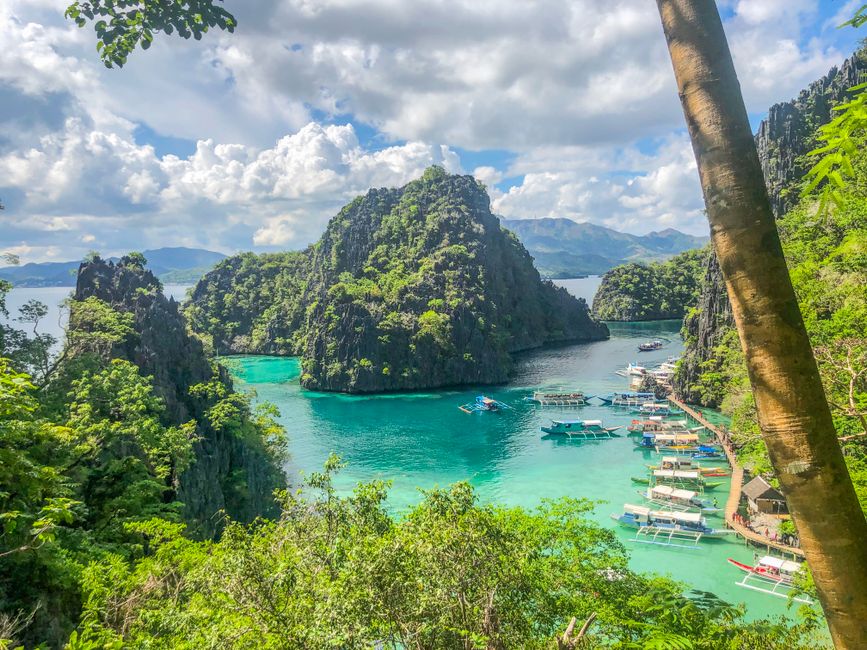
El Nido is the postcard: the Big Lagoon and Small Lagoon frame turquoise water between 400-million-year-old karst towers, while Secret Lagoon rewards kayakers who squeeze through a rock crevice into a hidden pool. Nacpan Beach stretches four kilometers of powdery sand with almost no development—just a handful of family-run cottages and fresh buko juice stands.
Coron brings adventure below the surface. Between 1944 wreck dives—Japanese cargo ships and oil tankers lying 10–40 meters down—and the sapphire-and-emerald swirls of Twin Lagoon and Kayangan Lake, Coron appeals to divers and snorkelers equally. Barracuda Lake’s thermocline, where fresh and saltwater layers meet at 30°C, feels like swimming through liquid mirrors.

Puerto Princesa anchors the province with the Underground River, a navigable subterranean waterway running 8.2 kilometers through St. Paul Mountain. UNESCO protection keeps daily visitor permits capped at 900, so advance booking (₱1,500 per person including boat and guide) is non-negotiable.
How does Palawan compare? Boracay delivers powdery White Beach and a buzzing nightlife strip—perfect if you want beach clubs and fire dancers. Cebu blends urban convenience (direct flights, malls, hospitals) with Moalboal’s sardine runs and Oslob’s whale sharks. Siargao is the surf capital, with Cloud 9’s barreling rights and a laid-back, nomad-friendly vibe in General Luna. Palawan trades those for frontier beauty: fewer crowds, more wildlife (sea turtles, dugongs, hornbills), and logistics that reward the patient planner.
Your 5–7 Day Palawan Itinerary and Logistics
A well-paced week covers Palawan’s highlights without feeling rushed. Here’s the smart route:
Day 1–2: Puerto Princesa
Fly into Puerto Princesa International Airport (PPS)—direct connections run from Manila (₱2,500–4,500), Cebu, and Taipei. Book your Underground River permit online at least 48 hours ahead through the Palawan Tourism Office portal. Day one covers the river tour (morning slots beat afternoon heat); day two, visit the Palawan Wildlife Rescue and Conservation Center (crocodile farm, ₱70 entry) or Baker’s Hill for cashew treats and city views.
Day 3–5: El Nido
Van transfers from Puerto Princesa take 5–6 hours (₱600–800) on mostly paved roads; leave early to catch sunrise over Bacuit Bay. El Nido town is your base. Island-hopping tours follow set routes—Tour A (Big Lagoon, Small Lagoon, Secret Lagoon, Shimizu Island, Seven Commando Beach) costs ₱1,200 plus ₱200 eco-fee and ₱200 lagoon fee. Tour C adds Helicopter Island and Matinloc Shrine; Tour D reaches Cadlao Lagoon and Paradise Beach. Book through accredited operators displaying DENR permits (look for green stickers). Budget ₱3,000–5,000 for three days of tours, fees, and snorkel-gear hire. Nacpan Beach is a 45-minute trike ride (₱400 round-trip) from town—pack a picnic and stay for sunset.
Day 6–7: Coron
Montenegro Lines fast ferries link El Nido and Coron (3.5 hours, ₱1,800–2,200) daily at 6:30 AM and 1:00 PM; book seats 72 hours ahead. Coron town is grittier and cheaper than El Nido. Wreck-dive packages (two dives) start at ₱3,500 for certified divers; snorkelers join island tours to Twin Lagoon, Kayangan Lake, and Siete Pecados reefs (₱1,400 plus ₱300 in fees). Maquinit Hot Springs (₱200 entry) is a soothing way to end your final day before flying home from Busuanga (USU) to Manila.
When to go: November through May is dry season, with March–April seeing the calmest seas and warmest weather (28–32°C). June–October brings southwest monsoons—ferries cancel, lagoons turn murky, and some resorts close. Chinese New Year (late January) and Holy Week (April) pack accommodations; book three months ahead for those windows.
Budget snapshot (per person, mid-range):
• Flights (Manila round-trip to PPS/USU): ₱8,000–12,000
• Accommodation (fan room/basic AC): ₱1,500–2,500/night
• Island tours + fees (5 days): ₱8,000
• Meals (local carinderias + occasional seafood splurge): ₱800–1,200/day
• Transfers (vans, ferries, trikes): ₱4,000
Total: ₱30,000–45,000 for seven days. Add 30% for resorts, private boat charters, and diving.
Food highlights: Tamilok (woodworm ceviche) is Palawan’s dare-you dish; grilled tuna belly and kinilaw (raw fish in vinegar and coconut) appear on every menu. El Nido’s Art Café and Coron’s Brujita Bar serve Western comfort food when you need a break from rice.
Planning a trip to Asia?
Tell us your dates, who is travelling and what you want out of it. We will come back with somewhere to stay and things worth doing.
Must-Do Experiences and Responsible Travel Tips
Palawan’s beauty comes with fragility. Carry these habits to keep the islands pristine:
Island-hopping essentials:
- Permits matter. The ₱200 El Nido eco-fee and lagoon entry stickers fund reef monitoring; ₱300 in Coron covers marine park upkeep. Keep receipts; rangers check.
- Reef-safe sunscreen only. Oxybenzone and octinoxate bleach coral; bring mineral zinc brands or long-sleeved rash guards.
- No-touch snorkeling. Fins and hands off coral—one kick can kill decades of growth. Wear a life vest if you’re a weak swimmer; don’t stand on reefs.
- Pack out trash. Even biodegradable peels attract fish and disrupt feeding. Bring a dry bag for wrappers.
Wildlife etiquette:
Sea turtles surface in Matinloc and Cadlao; keep 5 meters distance and never chase them. Dugong sightings happen near seagrass beds off Busuanga—if your boat captain spots one, observe from the boat and ask him to cut the engine. Palawan peacock-pheasants and hornbills live in the forests around Sabang; hire local guides (₱500/half-day) who know nesting sites and respect buffer zones.
Diving Coron’s wrecks:
The Irako maru and Akitsushima lie 30–40 meters down; advanced certification (or at minimum, a deep-specialty course) is required. Penetration dives into holds need wreck training. Currents shift—trust your dive master’s call to skip a site if conditions sour. Surface marker buoys are mandatory; bangka fishing boats crisscross the bays.
Practical notes:
- Cash rules. BDO and PNB ATMs in El Nido and Coron dispense ₱10,000 per transaction (₱200 fee); bring extra pesos from Manila.
- Connectivity is spotty. Globe has better coverage than Smart in El Nido; Coron’s signal drops outside town. Download offline maps (Maps.me) and music before you go.
- Malaria is officially eliminated in Palawan, but dengue peaks June–October. Spray DEET at dawn and dusk; sleep under nets in budget huts.
- Book accredited operators. The Department of Tourism’s list (available at municipal tourism offices and online) ensures boats carry life vests, first-aid kits, and radio contact.
Community tourism:
Stay in homestays like those in Cabayugan (between Puerto Princesa and El Nido) to funnel money directly to families. Buy dried fish, woven bags, and cashew brittle from public markets, not resort gift shops. Ask permission before photographing people—especially Tagbanua and Batak indigenous communities—and offer to email them a copy.
Making Your Palawan Trip Happen
Palawan Philippines isn’t just riding a 2025 trend—it’s delivering an experience that blends adventure, natural beauty, and a slower pace the rest of the world forgot. Whether you’re kayaking into the Big Lagoon as morning light turns the water neon green, hovering over a Japanese freighter’s ghostly silhouette 25 meters down, or listening to swiftlets echo inside the Underground River’s cathedral chamber, Palawan rewards travelers who value wonder over Wi-Fi.
The infrastructure is there—flights connect daily, ferries run on schedule in dry season, and English-speaking guides are plentiful—but the islands remain blissfully un-Instagrammed compared to Bali or Phuket. Go now, while “crowd” still means 15 boats in Bacuit Bay instead of 150.
Ready to turn this guide into plane tickets? Dive deeper with these resources:
- Philippines Country Guide – Sign up for our full guide with island-hopping route maps, cost breakdowns, and hidden-gem beaches.
- Palawan Travel Guide – Deep-dive itineraries, operator reviews, and seasonal tips.
- Philippines Visa Basics – 30-day visa-free entry rules, extensions, and long-stay options.
- Boracay vs Palawan – Head-to-head comparison to pick your perfect island.
- Siargao Surf Guide – If waves call louder than lagoons, here’s your next stop.
- Philippines Real Estate – Thinking of a longer stay? Explore retirement and property options.
- Philippines Healthcare – Clinic locations, insurance, and expat-friendly hospitals.
Download the free Philippines Country Guide at /guides/philippines-country-guide for printable maps, packing lists, and month-by-month weather charts. Your Palawan adventure starts with one click.
Thinking seriously about moving to Asia?
Tell us where you are now and what the move looks like. We will match you with people who have done it before and can save you the expensive mistakes.