Nusantara, Indonesia’s New Capital: Where It Stands
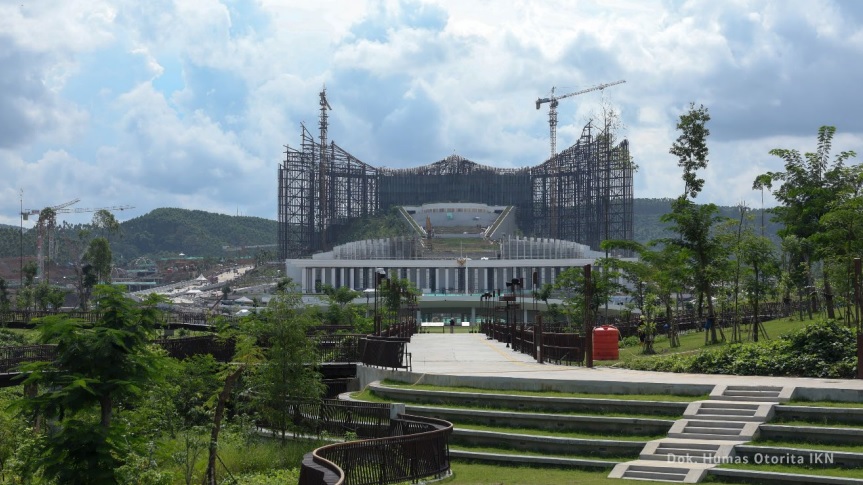
Fly into Balikpapan, drive north into the hills of East Kalimantan, and the forest gives way to something unusual: a capital city being built from scratch. Nusantara, often shortened to IKN, is Indonesia’s planned new seat of government. It was announced in 2019, the first Independence Day ceremony was held there in August 2024, and by March 2026 around 2,000 civil servants were already working on site (Nusantara Capital Authority, March 2026).

So where does Indonesia’s new capital stand at the end of 2026? Here is a clear picture of what has been built, what comes next and what it is like to visit.
Why Indonesia is building a new capital
Jakarta is one of the largest cities in the world, and the strain shows in its traffic, its air and its coastline. Moving the seat of government to Borneo, close to the geographic centre of the archipelago, is meant to ease the pressure on Java and spread growth across a country of more than 17,000 islands.
Nusantara sits between North Penajam Paser and Kutai Kartanegara, inland from the port city of Balikpapan. It is planned as a forest city, with most of its land kept as green space and the government buildings set among the hills. The long term plan is for a city of around 2 million people by 2045.

What has been built so far
The first stage has focused on the Central Government Core Area, known by its Indonesian initials KIPP. This is where the Garuda Palace stands, the presidential palace designed by the Balinese sculptor Nyoman Nuarta with a vast metal Garuda, the mythical bird on Indonesia’s national emblem, spreading its wings over the roof. Around it are ministry offices, the ceremonial plaza, apartment towers for civil servants, a state mosque and the first hospitals and schools.
| Location | East Kalimantan, Borneo, inland from Balikpapan |
| Announced | 2019 |
| First Independence Day ceremony | 17 August 2024 |
| Civil servants working on site | About 2,000 (Nusantara Capital Authority, March 2026) |
| 2026 focus | Legislative and judicial complexes, housing and public services |
| Next milestone | Designated as Indonesia’s Political Capital by 2028 (Presidential Regulation 79 of 2025) |
| Long term population target | Around 2 million by 2045 |
In February 2026 the capital authority said the city was entering its operational phase, with 16 ministries and state agencies scheduled to begin routine work in the government core during the year. Healthcare facilities, prayer spaces and schooling for the families of relocating staff were set up alongside the offices.
The road to 2028
The next target is clear. Under Presidential Regulation 79 of 2025, Nusantara is to become Indonesia’s Political Capital by 2028. That means the legislative and judicial branches need a home there too, and building those complexes is the authority’s priority through 2026 (Nusantara Capital Authority, 2026).
Relocation of civil servants is happening in stages, with each wave tied to the readiness of offices, housing and public services. The government has described it as a gradual move rather than a single date when everything shifts from Jakarta. For now Jakarta remains the country’s commercial heart and the home of most embassies and businesses.
Visiting Nusantara and East Kalimantan
Most visitors arrive through Balikpapan’s Sultan Aji Muhammad Sulaiman Sepinggan Airport, which has direct flights from Jakarta, Surabaya, Bali and other Indonesian cities. From there, Nusantara is a drive north, with new toll road sections steadily shortening the trip.
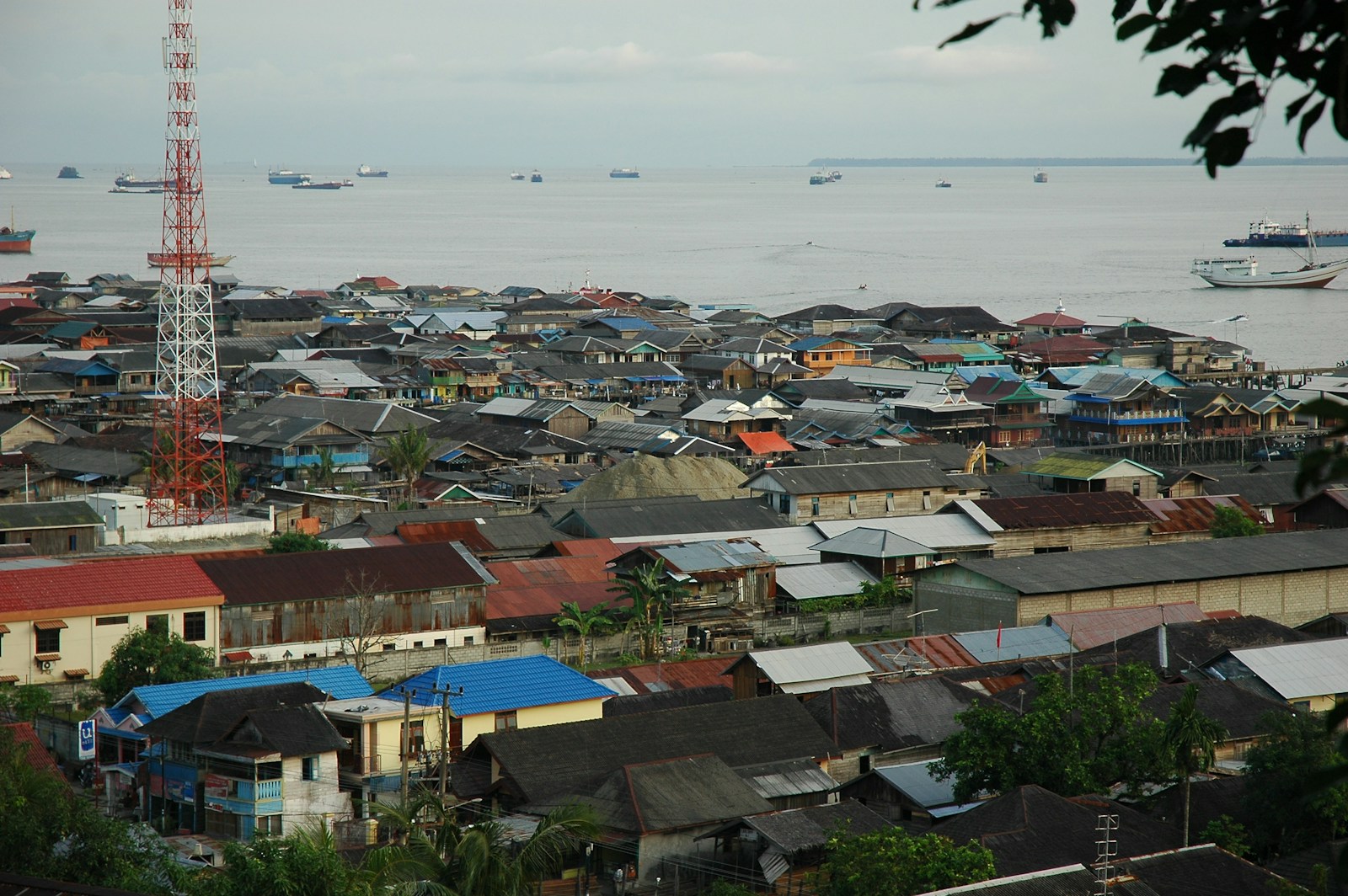
Balikpapan itself is a pleasant base, a tidy coastal city with seafood restaurants along the waterfront and a relaxed pace. Samarinda, the provincial capital on the Mahakam River, is a little further north and is the starting point for river journeys into the Dayak heartland of Borneo. Beyond the cities, East Kalimantan has some of the most remarkable rainforest and wildlife in Asia, including the orangutan rehabilitation work for which the island is known.
The government core has welcomed public visitors, and the Garuda Palace and ceremonial plaza have become a popular stop for Indonesian travellers. Check the latest access arrangements before you go, as some areas are open only on certain days or with registration.
What it means for the region
For Indonesia, Nusantara is a statement about the future of a country spread across thousands of islands. For East Kalimantan, it means new roads, new jobs and a steady flow of people discovering a part of Borneo that most travellers have never seen.
The city will grow over decades, as new capitals always do. Canberra, Brasilia and Putrajaya each took a generation to feel lived in, and Nusantara is following its own version of that path.
Keep an eye on Borneo
Indonesia’s new capital is one of the most ambitious urban projects in Asia, and 2028 is the next date to watch. For more on making a life in Indonesia, read our guide to the Indonesia Second Home Visa, then browse homes across the region on the Asia Lifestyle Magazine property portal.