Manila vs Jakarta for Expats: Which Southeast Asia Capital Wins in 2026?
Choosing between Manila and Jakarta for your next chapter is more than a coin toss between two megacities. It’s a decision that touches your wallet, your workday commute, your Friday nights, and whether you’ll be searching for an English menu or learning a new phrase every morning. Both capitals sit at the heart of fast-growing economies—buzzing with opportunity and chaos in equal measure—but the day-to-day reality of living in each feels worlds apart.

If you’re a remote worker weighing Southeast Asia capitals or a relocating professional asking which city stretches your dollar further while keeping life comfortable, this Manila vs Jakarta comparison breaks down the numbers, neighborhoods, and nuances that actually matter.
The Real Cost of Living: Manila vs Jakarta in USD
Money talks—and when you’re planning a move across the region, exact figures matter more than vague promises of affordability. Recent data suggests Jakarta edges out Manila on overall living costs by roughly 8–12%, though the gap narrows or flips depending on your lifestyle choices.
Rent is where Jakarta’s advantage becomes clearest. A modern one-bedroom in a central area like SCBD or Sudirman often runs 450–700 USD per month, while an equivalent unit in Makati or BGC can cost 600–950 USD. Step out to the suburbs and Jakarta’s Kemang or Bintaro deliver three-bedroom family homes for 800–1,200 USD; Manila’s Alabang or Quezon City ask 950–1,400 USD for comparable space and finish. If budget is king, Jakarta’s rental market offers more room to negotiate and a wider inventory at lower price points.

Groceries and dining tell a mixed story. A week’s worth of basics costs about 35 USD in Jakarta vs 40 USD in Manila. Local street meals run 2–3 USD in both cities, but sit-down restaurant tabs tilt cheaper in Jakarta: a mid-range dinner for two averages ~18 USD versus Manila’s ~22 USD. Western imports can carry a bigger premium in Jakarta, so if you can’t live without Australian cheese or European wine, Manila’s cost of living may feel gentler on that front.
Transport and utilities split the difference. Jakarta’s ride-hailing fares are slightly lower—a 5 km Grab ride often costs around 2.50 USD versus Manila’s ~3 USD—and the TransJakarta BRT remains among the region’s cheapest mass-transit options. Manila’s jeepneys and newer LRT extensions clock in similarly cheap, though traffic can double journey times in both capitals. Monthly utilities for a small apartment hover near ~60 USD in Jakarta and ~70 USD in Manila.
Coworking, internet, and mobile are nearly at parity. Unlimited fiber at home runs 25–35 USD monthly in either city, with Manila’s infrastructure slightly more reliable in expat hubs. A hot-desk coworking pass is typically 100–150 USD per month, and prepaid mobile with generous data costs ~10 USD.
Healthcare and childcare deserve their own line item. Out-of-pocket doctor consultations are 20–30 USD in both cities, but Manila’s healthcare system leans more toward English-speaking staff and internationally accredited hospitals like Makati Med and St. Luke’s. International school tuition starts around ~6,000 USD per year in Jakarta and ~7,500 USD in Manila, climbing for premium campuses. Childcare and part-time helpers are cheaper in Jakarta; live-in domestic help often costs 150–250 USD per month versus Manila’s ~180–300 USD.
Sample monthly budgets in USD:
- Single remote worker, moderate lifestyle — Jakarta: Rent 550 | Food 250 | Transport 80 | Utilities 60 | Internet 30 | Leisure 150 = 1,120
- Single remote worker, moderate lifestyle — Manila: Rent 700 | Food 280 | Transport 90 | Utilities 70 | Internet 30 | Leisure 160 = 1,330
- Family of four, comfortable standard — Jakarta: Rent 1,000 | Food 600 | Transport 150 | Utilities 120 | School 1,000 | Healthcare 100 | Leisure 200 = 3,170
- Family of four, comfortable standard — Manila: Rent 1,200 | Food 680 | Transport 180 | Utilities 140 | School 1,250 | Healthcare 120 | Leisure 220 = 3,790
“If shaving 10–20% off your annual burn rate matters, Jakarta quietly wins—especially if you’re open to learning a few Bahasa basics and exploring beyond the obvious expat enclaves.”
Planning a move to Asia?
Tell us where you are now and what the move looks like. We will match you with people who have done it before and can save you the expensive mistakes.
Neighborhoods, Housing Stock, and Getting Around
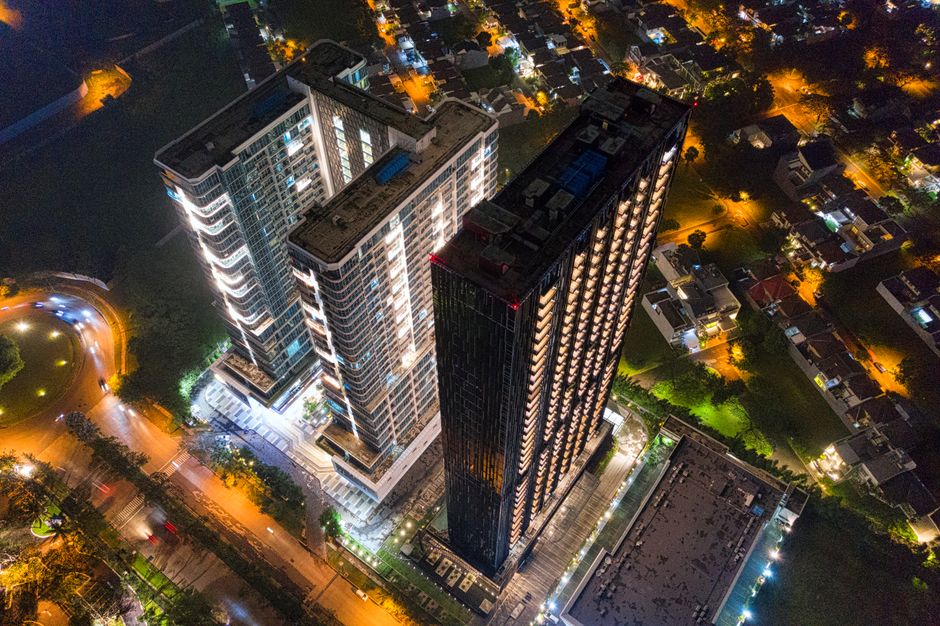
Finding the right district shapes your entire Manila vs Jakarta experience. Jakarta spreads across a vast footprint, so location decisions hinge on minimizing commute pain. South Jakarta districts like Kemang and Pondok Indah attract the most expats: tree-lined streets, international schools nearby, gyms, cafes, and a manageable 30-minute off-peak drive to the CBD. Central Jakarta around Menteng offers colonial charm but heavier congestion, while newer hubs in Tangerang and BSD City promise lower rents and family-friendly compounds at the cost of longer trips into town. Typical leases run one year with two months’ deposit; inspect plumbing, backup generators, and elevator maintenance before signing.
Manila’s expat gravity centers on Makati and Bonifacio Global City, where high-rise condos pack amenities like pools, gyms, and 24/7 security into walkable—if pricey—enclaves. Ortigas and Eastwood City offer similar towers at slightly lower price points, popular with BPO professionals and remote teams. For space and greenery, Alabang delivers gated villages and international schools but adds 45 minutes to most CBD commutes. Lease terms mirror Jakarta’s annual cycle, though competition for prime units can push deposits to three months. Manila’s real estate scene leans heavily toward condos; standalone houses in the metro are rare and expensive.
Getting around tests patience in both cities. Jakarta’s expanding MRT/LRT and the BRT network offer relief if your route aligns, while ride-hailing remains affordable. Manila’s LRT/MRT cover key corridors but suffer from crowding; many expats default to Grab or company shuttles. Both airports sit a trek from downtown, making regional escapes paradoxically easier than cross-town errands.
Quality of Life: Air, Safety, Speed, and Social Fabric
Numbers only tell half the story. Daily quality of life hinges on factors you feel rather than calculate.
Air quality and green space tip slightly toward Manila. Jakarta’s haze can push PM2.5 into unhealthy ranges during the dry season, and central parks are scarce. Manila battles pollution too, but coastal breezes and pockets like UP Diliman and Ayala Triangle give a bit more breathing room. Neither city is a runner’s paradise, yet if outdoor jogs matter, Manila edges ahead.
Safety feels comparable once you know the drill. Both capitals have low violent-crime rates by global standards, but petty theft and traffic accidents demand vigilance. Expat neighborhoods maintain strong security, and a little common sense—don’t flash valuables, stay alert in crowds—goes a long way.
Climate is a wash: hot and humid year-round. Manila’s typhoon season (June–November) brings heavy rains and occasional flooding; Jakarta’s monsoon downpours and subsidence-related flooding pose their own challenges.
Internet reliability is now serviceable in both capitals. In Manila, PLDT and Converge regularly deliver 100 Mbps for under 30 USD with strong uptime in BGC and Makati. In Jakarta, Indihome and Biznet offer similar speeds and pricing; a small UPS and backup hotspot mitigate occasional building power blips.
Language and culture is where the divergence hits hardest. English is the default second language across Manila—menus, signage, government offices—making daily admin smooth and integration easier. Jakarta typically requires at least survival Bahasa Indonesia for taxis, markets, and many service interactions, though younger professionals and expat-facing businesses operate in English. If language learning excites you, Jakarta offers immersion; if it stresses you, Manila removes that friction.
Community and social life thrive in both: coworking events, weekend brunches, and nightlife scenes abound. Manila’s live-music and bar energy in Poblacion and BGC feels more Western-friendly, with quick beach escapes to Batangas. Jakarta counters with rooftop lounges, mall culture, and trips to Java’s volcanic highlands and the Thousand Islands.

Visas, Work Setup, and Who Thrives Where
Neither city hands out long-stay visas like candy, but both offer workable pathways. The Philippines welcomes many nationalities visa-free for 30 days, extendable repeatedly—popular with digital nomads who prefer simplicity. Indonesia’s tourist visa typically grants 60 days with extension options, and a five-year golden visa serves investors who meet financial thresholds. For retirees, the Philippines Special Resident Retiree’s Visa starts around age 35 with a deposit, while Indonesia’s retirement route generally requires age 55+ and proof of income. For current requirements and stay options, explore the Indonesia visa guide and the Philippines visa guide.
The verdict: Jakarta suits budget-conscious builders, families prioritizing lower fixed costs, and anyone eager to dive into a new language and culture. Manila appeals to English-first communicators, remote workers who crave seamless connectivity and strong expat networks, and those valuing ease of integration over maximum savings. Both cities reward flexibility, thick skin for traffic, and an appetite for the organized chaos that defines Southeast Asia’s capitals.
Run your own numbers, visit if you can, and pick the megacity that matches not just your wallet—but your daily rhythm.
Still weighing up your visa options?
Tell us your nationality, your plans and how long you want to stay. We will put you in touch with immigration specialists who handle these applications daily.