


Hong Thai Yadom Recall: Should You Panic-Buy Before Shelves Empty?
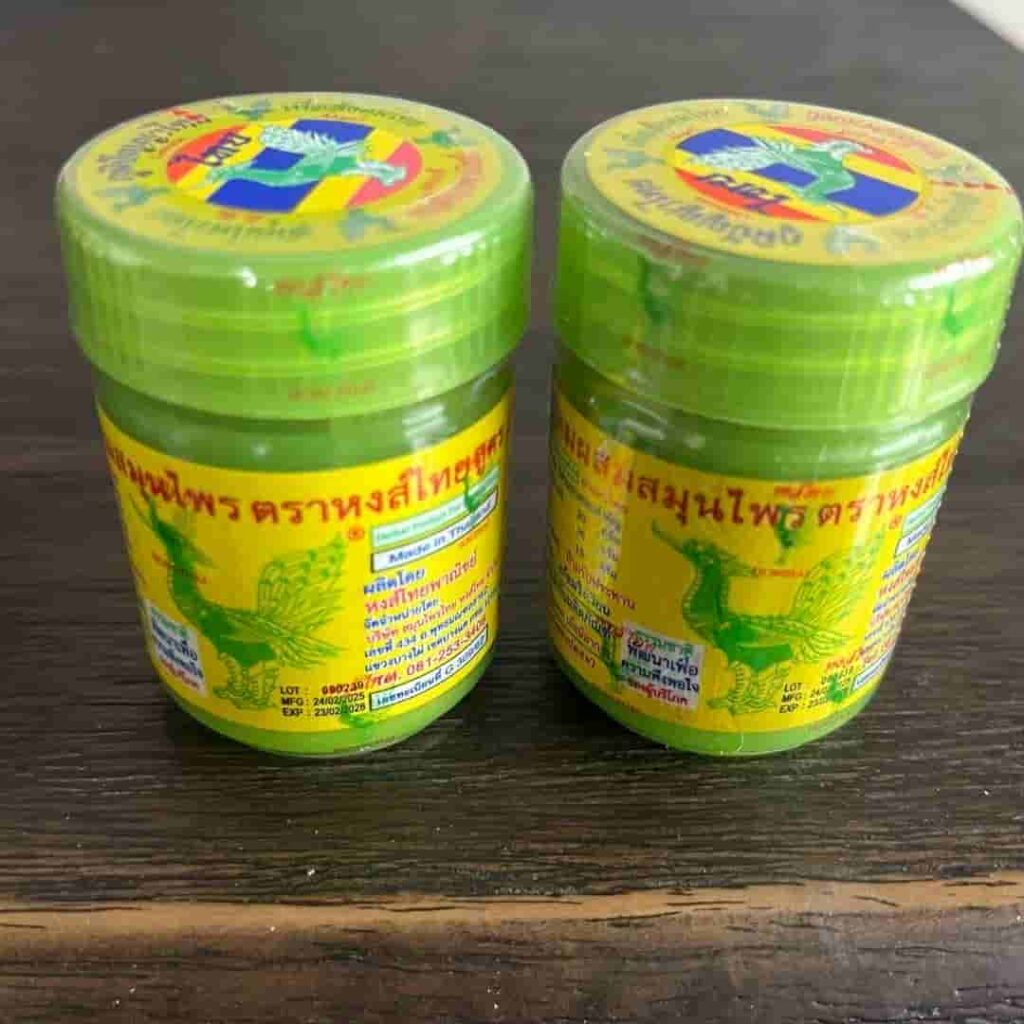
If you’ve spent any time in Thailand, you know the little green tubes. Hong Thai yadom has become as synonymous with Thai culture as pad thai and tuk-tuks, with celebrity fans like Blackpink’s Lisa and Chris Hemsworth proudly carrying them everywhere. These herbal inhalers generated 300 million baht in sales last year alone. But on October 28, 2025, everything changed when Thailand’s FDA dropped a bombshell that has expats and locals alike reconsidering what they’re putting up their noses.


The Contamination Scandal That Shocked a Nation
Thailand’s Food and Drug Administration announced that Hong Thai’s Formula 2 herbal inhaler failed safety tests, with samples showing contamination including Clostridium spp bacteria, which can cause serious health problems. The affected batch number 000332, manufactured on December 9, 2024, consists of 200,000 units now being recalled nationwide.
Let’s be clear about what Clostridium bacteria means. This isn’t just a minor quality control hiccup. Clostridium spp can infect the intestine, the gallbladder, and organs in the pelvis, such as the uterus, fallopian tubes, and ovaries. The U.S.-based Johns Hopkins Medical Center states that clostridium is capable of forming spores to survive in environments such as soil or the digestive tract, and includes the agents that can cause tetanus and botulism.
This is the same family of bacteria that causes some of the most feared diseases in medicine. While the specific contamination level and strain matter significantly, the fact that any Clostridium showed up in products people inhale directly into their respiratory systems is raising serious questions.


The Recall Reality: 200,000 Units Into the Wind
Hong Thai has already begun retrieving Lot 332 from the market, though as it is an older batch manufactured in December 2024, only part of the quantity could be collected. Here’s where things get interesting and slightly alarming. The contaminated batch was manufactured nearly a year ago. How many of those 200,000 units have already been sold, used, and thrown away? How many are still sitting in homes, bags, and pockets across Thailand and beyond?
The company has scheduled the official destruction of the recalled products, in coordination with the FDA, for November 4, 2025, but the real question is whether they’ve actually recovered a significant portion of the contaminated batch or if most units are already in consumer hands.
Hong Thai extended a public apology to customers and business partners, assuring that all consumers can return the affected products for a full refund and receive a free replacement of the same quantity. The company also promises it has strengthened and upgraded its production processes and added additional quality control steps at every stage, including ultraviolet sterilization, to ensure that all future products released to the market are safe, hygienic and compliant with health standards.
The Bigger Picture: What This Means for Thai Wellness Products
This incident raises uncomfortable questions about traditional Thai wellness products and their regulation. Yadom sits at the heart of local tradition and everyday healthcare, with these small portable tubes releasing aromatic vapours from herbs and essential oils when you sniff them through the nose, used for millennia for aromatherapy. Today, they are everywhere in Thailand, sold in 7-Eleven, markets, and pharmacies, and listed as a generic household medicine by the Thai Ministry of Public Health.
The ubiquity of yadom means millions of people use these products daily without questioning their safety. One of Thailand’s most famous brands, Hong Thai, recorded sales of 300 million baht around US$9.5 million in 2023. That’s millions of units sold annually by just one brand. The scale of potential exposure if contamination had been more widespread or gone undetected longer is genuinely concerning.
A 60-year-old pharmacist in Naxay village, Saysettha district, said the public should not be overly alarmed, noting that while the inhalers in this particular lot are contaminated, they are not extremely dangerous, and that realistically and scientifically speaking, humans inhale environmental spores, dust, and microorganisms constantly.
This measured response from a healthcare professional provides important context. We’re not dealing with an immediate life-threatening crisis. However, the presence of Clostridium bacteria in a product specifically designed for nasal inhalation shouldn’t be dismissed lightly either. The risk level depends on the specific strain, concentration, and individual health factors, but the fundamental question remains: should any Clostridium be acceptable in inhalation products?

What Expats Should Actually Do
For expats living in Thailand who rely on yadom for daily comfort, here’s the practical reality check. First, check your yadom immediately. If you have Hong Thai Formula 2 with production batch number 000332 manufactured on December 9, 2024, with an expiry date of December 8, 2027, stop using it and return it for a refund and replacement.
Second, recognize that this recall affects one specific batch of one specific formula. Other Hong Thai products and other yadom brands are not implicated in this contamination. The FDA’s testing focused on this particular batch, and there’s no evidence of systemic problems across the industry.
Third, understand that increased scrutiny might actually be positive for consumers long-term. This incident proves that Thailand’s FDA conducts random inspections and takes action when products fail to meet safety standards. In Thailand, anyone who produces a substandard herbal product is liable to imprisonment of up to two years, a fine of up to 200,000 baht, or both, while those who sell such substandard herbal products may be jailed for up to 6 months, fined up to 50,000 baht, or both. The system worked this time by catching the problem.
Fourth, consider diversifying your yadom brands. If you’ve been exclusively using Hong Thai, maybe explore Poy Sian, Siang Pure, or other reputable brands. This isn’t about avoiding Hong Thai forever; it’s about not putting all your inhalation eggs in one basket.
The Panic-Buy Question: Separating Hysteria from Preparation
Should you rush to 7-Eleven right now and clear the shelves of yadom before potential shortages? Probably not. Should you pick up a few extra tubes of your preferred brand next time you’re shopping? That’s actually not a bad idea, but not because of this specific recall.
Yadom is cheap, portable, has a long shelf life, and proves genuinely useful in Thailand’s climate. Having a few extra tubes in your home isn’t panic-buying; it’s sensible preparation. The real question is whether you’re buying out of rational planning or fear-driven hysteria.
The contamination affecting one batch of Hong Thai Formula 2 doesn’t mean Thailand’s entire yadom industry is compromised. It doesn’t mean shelves will empty or production will halt. It means one manufacturer had a quality control failure that the regulatory system caught and addressed.
That said, consumer psychology is unpredictable. If enough people read alarming headlines and decide to stock up, shortages can become self-fulfilling prophecies regardless of actual supply chain issues. The toilet paper panic of 2020 taught us that rational supply chains can’t always handle irrational consumer behavior.
The Bottom Line: Keep Calm and Inhale Responsibly
The Hong Thai Formula 2 recall represents a legitimate food safety issue that deserves attention. Clostridium contamination in inhalation products isn’t something to dismiss. However, it’s also not a reason to panic, avoid all yadom, or clear store shelves in fear of imaginary shortages.
Check your yadom. If you have the affected batch, return it. If you don’t, continue using your yadom as normal. Consider exploring alternative brands if you’re feeling cautious, but recognize that this incident actually demonstrates that Thailand’s regulatory system works rather than proving it’s broken.
For expats who’ve integrated yadom into their daily Thai life, this recall is a reminder that even traditional wellness products need modern quality control. The little green tubes will survive this scandal, probably stronger for the increased scrutiny and improved manufacturing processes that result.
Should you stock up before potential shortages? Only if you define “stock up” as buying a reasonable supply you’ll actually use, not hoarding dozens of tubes you don’t need. The best response to product recalls isn’t panic; it’s informed caution combined with rational planning.


