


The East Coast Rail Link (ECRL): Route, Journey Times and Opening Dates
For most people in Kuala Lumpur, Malaysia’s east coast has always felt a long way off. The beaches of Terengganu, the islands off Kuala Besut, the old town of Kota Bharu: all wonderful, all a long drive over the mountains. The East Coast Rail Link changes that. Malaysia Rail Link is targeting mid December 2026 to start commercial services on the first phase, from Kota Bharu to Gombak on the edge of Kuala Lumpur (MRL, October 2026).

Here is how the ECRL works, how long the journeys will take and what it opens up.
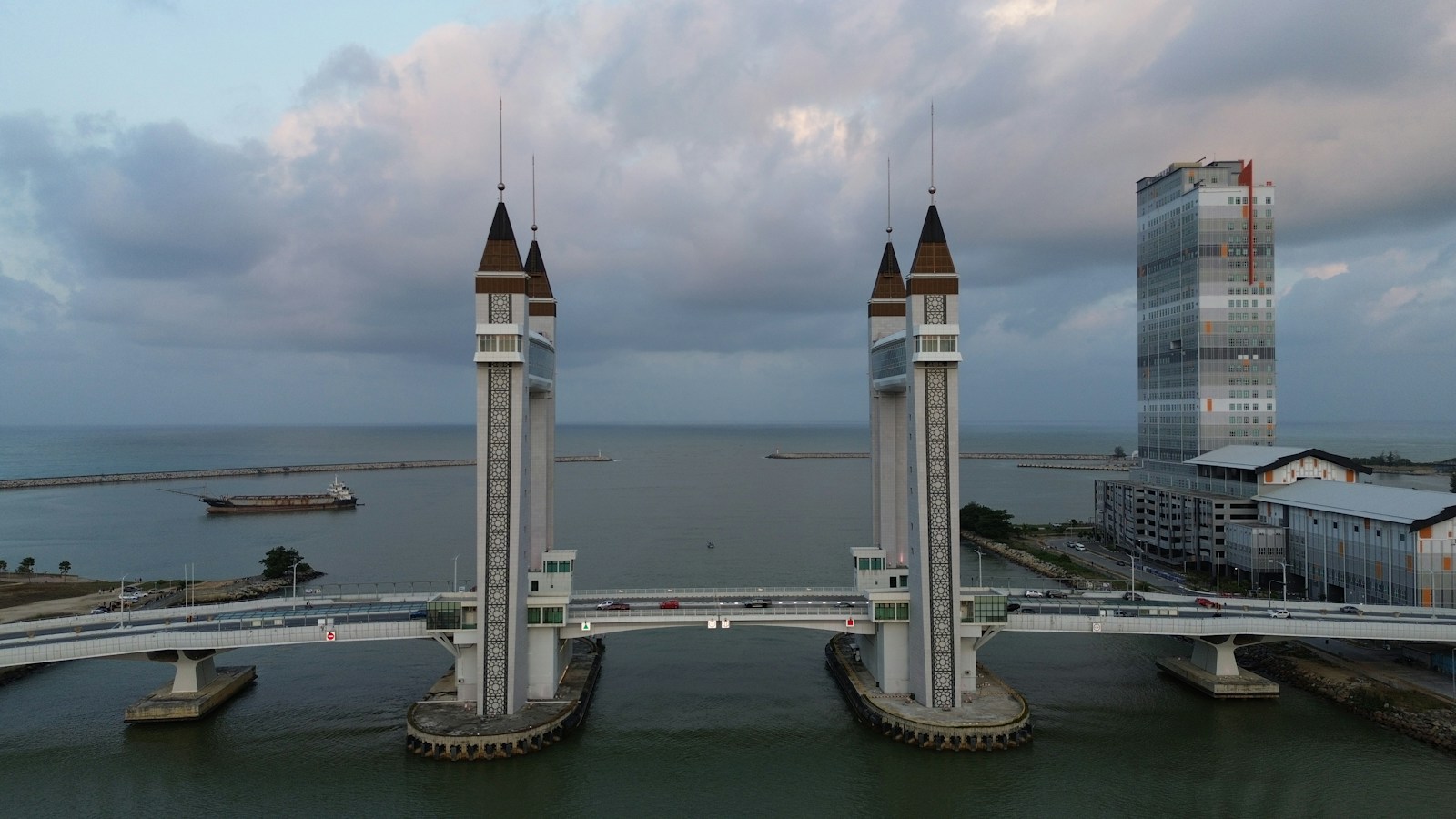
The route
The full ECRL runs 665km, from Kota Bharu in Kelantan through Terengganu and Pahang, across the Titiwangsa range and into the Klang Valley, ending at Port Klang on the west coast. It is an electrified, standard gauge line built for both passengers and freight, with passenger trains running at up to 160km/h.
The project has been built in two phases. Phase 1 is the 519km stretch from Kota Bharu to the Gombak Integrated Terminal in Selangor. Phase 2 continues from Gombak to Port Klang. The total project cost is RM50.27 billion, about US$11.5 billion (Ministry of Transport, 2026).

| Full length | 665km, Kota Bharu to Port Klang |
| Phase 1 | Kota Bharu to Gombak, 519km, 98.16% complete in September 2026 (MRL) |
| Phase 1 opening | Targeted from mid December 2026, ahead of the original January 2027 date |
| Phase 2 | Gombak to Port Klang, operations from January 2028 |
| Top passenger speed | 160km/h |
| Project cost | RM50.27 billion, about US$11.5 billion |
Journey times
In a test run in 2026, the ECRL’s inspection train covered the 519km from Gombak to Kota Bharu non stop in 3 hours 19 minutes. On that basis, MRL expects an express passenger service with stops at Kuantan and Kuala Terengganu to make the full trip in under four hours (MRL, October 2026). By road, the same journey takes around seven hours.
| Gombak to Kuantan (KotaSAS) | About 1 hour 35 minutes by express, against about 3 hours by road |
| Gombak to Kuala Terengganu | About 3 hours |
| Gombak to Kota Bharu | About 4 hours, against about 7 hours by road |
The Transport Minister has said the network could eventually carry up to 10,000 passengers a day, depending on service frequency.
What the east coast offers
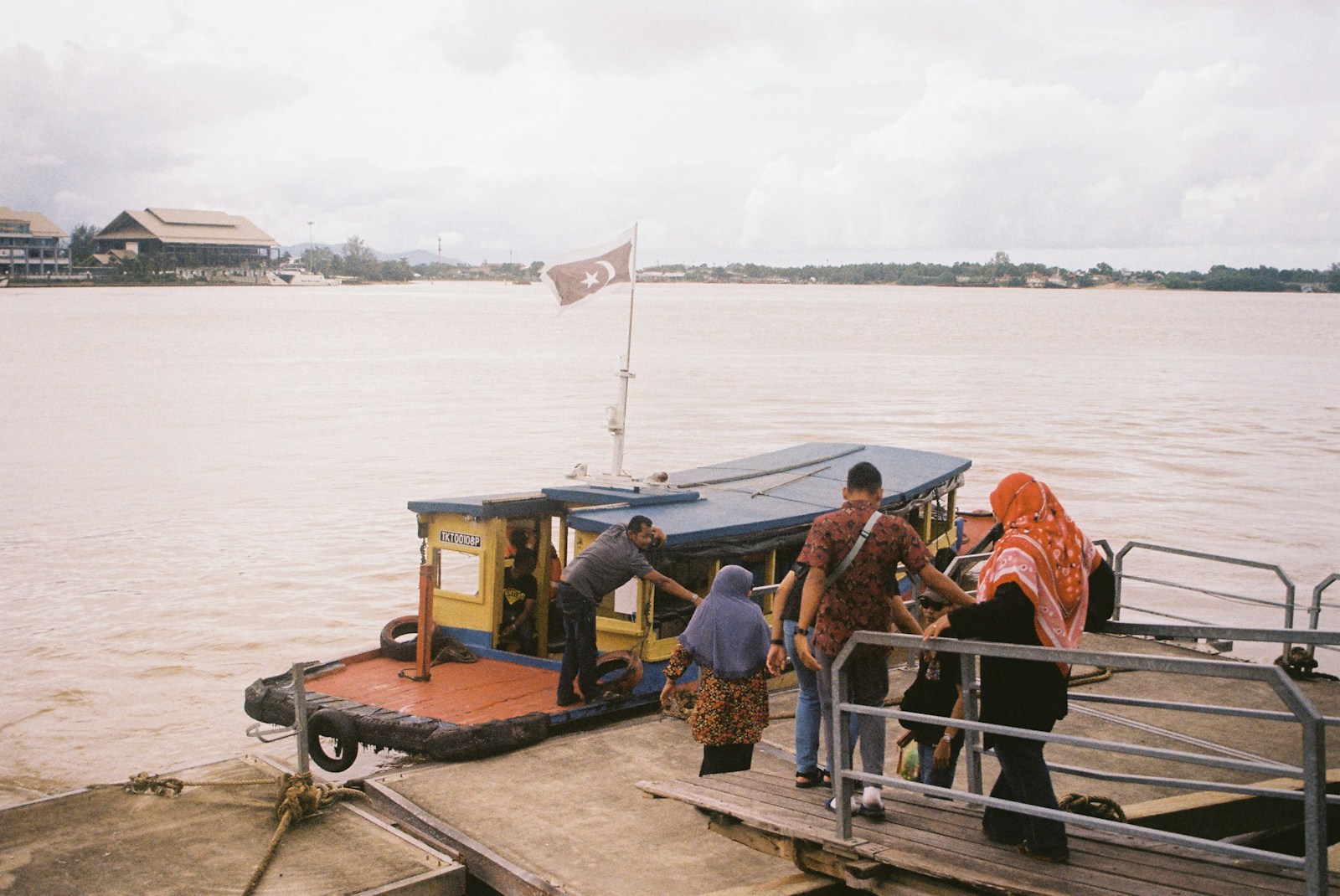
The east coast is a different Malaysia. Kota Bharu is the cultural heart of Kelantan, known for its markets, its kite makers and some of the best Malay food in the country. Kuala Terengganu has a riverside Chinatown, the Crystal Mosque and boat links towards Pulau Redang and the Perhentian Islands, which have some of the clearest water in Southeast Asia. Kuantan, the Pahang capital, is the gateway to the long beaches of Cherating and Teluk Cempedak.
Until now, reaching any of these from Kuala Lumpur meant a long drive or a short flight. With the ECRL, a weekend on the east coast becomes a train ride that starts on the edge of the capital.
What the ECRL means for living in Malaysia
The ECRL shortens the country. For families in the Klang Valley with roots in Kelantan or Terengganu, Hari Raya travel becomes far easier. For people who want a coastal life with the capital within reach, cities such as Kuantan start to look like practical bases, with lower costs, sea views and a three hour train ride to anywhere on the line.
Gombak’s integrated terminal links into the Kuala Lumpur rail network, and when Phase 2 reaches Port Klang in 2028 the line will connect the country’s main port with the east coast for freight as well.
Ride the first trains
The first ECRL passenger services are close. Keep an eye on MRL’s announcements for the confirmed opening day and fares. For more on life in Malaysia, read our Langkawi relocation guide, and browse homes across the country on the Asia Lifestyle Magazine property portal.


