


Buying a Luxury Boat in Asia: What Expats Need to Know
The Asia-Pacific luxury yacht market reached $2.21 billion in 2025 and is projected to hit $3.78 billion by 2030, making it the fastest-growing yachting region globally. For expats considering boat ownership in Asia, understanding registration requirements, marina infrastructure, and vessel sizing for regional waters can make the difference between a seamless purchase and bureaucratic headaches.

Understanding Boat Registration in Asia’s Top Three Markets
Hong Kong: Zero Import Tax, Straightforward Registration
Hong Kong stands out for its zero import tax on yachts, a massive advantage over mainland China’s 38 percent or higher import duties. However, registration carries one crucial requirement: you must either hold Hong Kong citizenship or establish a Hong Kong company. This applies whether you’re purchasing new or secondhand vessels.
The Hong Kong Marine Department requires both a Certificate of Ownership and an Operating Licence before any vessel can operate in local waters, plus third-party insurance coverage of at least HK$5 million. For those keeping their vessel Hong Kong-registered while traveling throughout Asian waters, setting up the appropriate legal structure before purchase is essential. Annual licensing remains relatively straightforward once the initial registration is complete.
Thailand: Foreign Ownership Allowed with Proper Documentation
Thailand permits foreign nationals to register vessels in their own name, provided they can establish a Thai residential address. The immigration office issues a residential address letter, which remains valid for the duration of your visa. Most yacht registrations fall under the Sports and Recreation category for privately owned vessels, which cannot be used commercially but enjoy considerable freedom within 15 nautical miles from shore.
Thai boat registration requires the vessel to be Thai-flagged, and applicants must pass theory and practical tests with English options available for foreigners, with license fees ranging from 200 to 500 THB. Foreign boat licenses from countries like Singapore are temporarily accepted in Thai waters under international reciprocity rules, but long-term use requires a Thai license.

In January 2025, Royal Phuket Marina became the only marina in Asia with a zero carbon footprint, receiving certification from the Thailand Greenhouse Gas Management Organization for the second consecutive year.
Singapore: Residency Required, Annual Registration
Singapore requires yacht owners to be ordinarily resident in Singapore or operate through a Singapore business entity. Foreign-owned companies with business addresses in Singapore qualify for pleasure craft registration, which remains valid for one year and must be renewed annually.
The Maritime and Port Authority of Singapore distinguishes between port licenses (SZ or SZH) for vessels operating within port waters and Singapore flag registration for vessels heading to international waters. Pleasure craft solely operating within Singapore waters don’t require flag registration but do need port licenses.
Insights from Jeffrey Chan, Yacht Management Sales Director
“If you’re buying a secondhand boat in Hong Kong, you’ll most likely deregister it and register in your own country,” explains Jeffrey Chan, Sales Director at NextWave Yachting. “But if you’re planning to travel with your boat around Asia, you could keep it registered in Hong Kong as well.”
Chan points out a critical requirement many expats overlook: “In Hong Kong, if you want to register your own boat, you either need to have a Hong Kong company or Hong Kong citizenship.”
Over his thirteen years in the industry, Chan has observed Hong Kong’s diverse customer base. “Our customer base is like 37% Hong Kongese, 37% expat, and 37% mainland Chinese,” he explains. This balanced distribution reflects Hong Kong’s unique position as both an Asian financial hub and a gateway to regional cruising.
When asked about current market trends, Chan notes that mainland China shows the strongest inquiry levels. “Right now, we’re getting more inquiries from them,” he says. However, the expat market has strengthened considerably. “Some expats are moving back to Hong Kong, and we have more inquiries from expat as well. Hong Kong is always stable.”
Planning a move to Phuket?
Tell us where you are now and what the move looks like. We will match you with people who have done it before and can save you the expensive mistakes.
Top Marinas in Asia You Should Consider
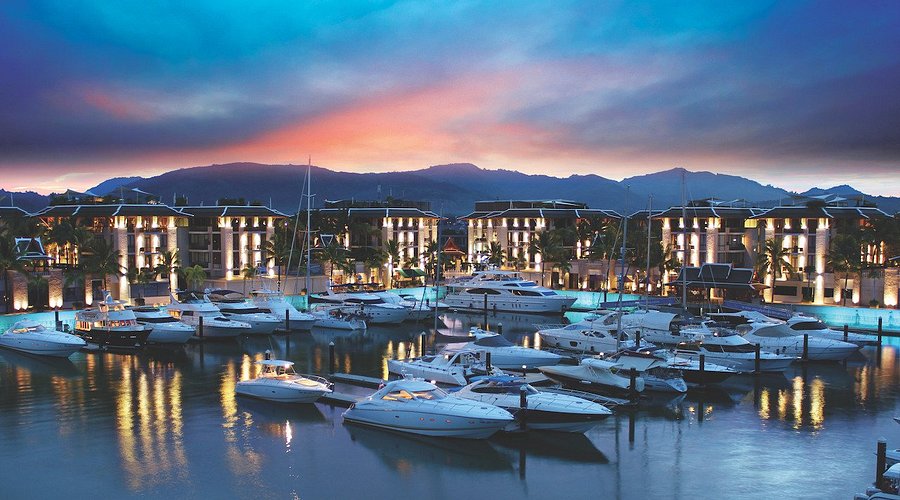
Royal Phuket Marina
Royal Phuket Marina, Thailand’s only 5-Star Golden Anchor award-winning marina, accommodates up to 100 berths for vessels up to 35 meters and ranks among Asia’s most sophisticated yachting infrastructures. Phuket Yacht Haven is the island’s only 24-hour access marina, accommodating 300 cruisers and superyachts up to 55 meters at sea.
Ocean Marina Jomtien is not only Thailand’s largest marina but the biggest in Southeast Asia, with over 500 wet-berths and 200 dry-berths available. These facilities provide comprehensive services from fuel to repair, making Thailand a complete yachting destination.
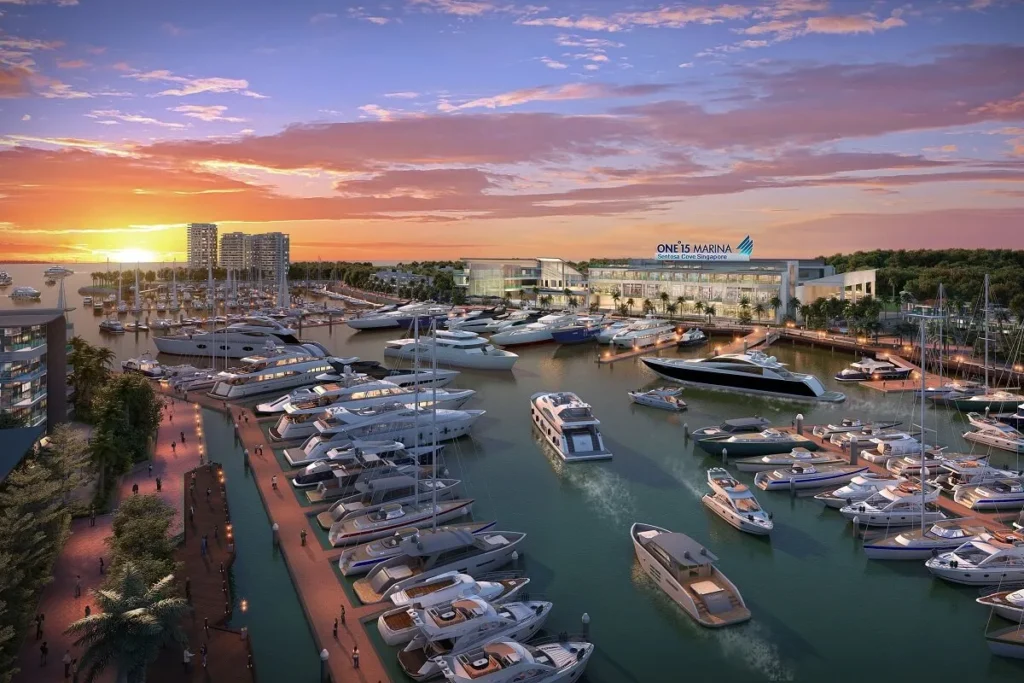
ONE°15 Marina Sentosa Cove Singapore
ONE°15 Marina Sentosa Cove Singapore offers world-class marina facilities with comprehensive Club amenities, accommodating yachts up to 200 feet with a maximum draft of 4.5 meters. Singapore’s marinas benefit from year-round access and sophisticated infrastructure, though berth availability during peak season requires advance booking.
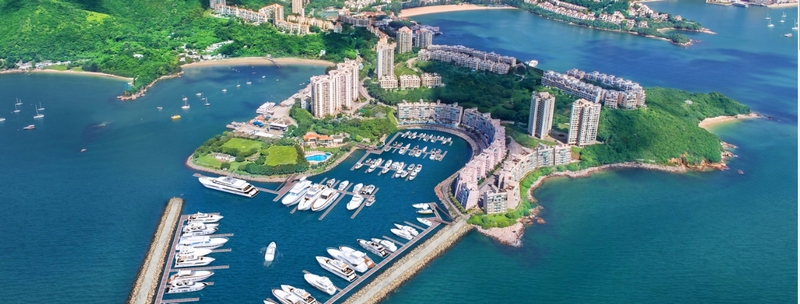
Lantau Yacht Club
Lantau Yacht Club is a premium, members-only club and marina in Hong Kong, offering world-class mooring facilities and modern amenities catering to superyachts from around the world. Hong Kong’s strategic location provides access to mainland China, Macau, and broader regional cruising grounds.
Recommended Boat Size for Asian Waters
For expats new to Asian boating, vessel size significantly impacts both experience and practicality. Industry consensus points to 35-45 feet as the ideal range for serious cruising couples or small families. This size provides sufficient storage for extended trips, handles Asian weather conditions competently, and remains manageable for non-professional crews.
Smaller vessels under 30 feet work well for weekend cruising but face storage limitations for longer passages. The slower hull speed of smaller boats means longer passage times, requiring more provisions and water capacity. Larger vessels over 50 feet offer luxury and space but demand either professional crew or sophisticated powered handling systems.
Asian waters present unique considerations. Shallow draft matters for accessing protected anchorages throughout Thailand and Indonesia. The monsoon season demands seaworthy hulls capable of handling rough conditions. Year-round tropical heat makes proper ventilation and air conditioning essential for comfort.
For first-time buyers, starting in the 35-40 foot range allows growth into Asian cruising without overwhelming complexity. This size accommodates most marina berths, handles coastal passages confidently, and provides adequate living space for extended cruising. The secondhand market in this range stays active, offering good value and eventual resale options.
Making Your Move
The path to boat ownership in Asia begins with honest assessment of your cruising plans, budget, and commitment level. Registration requirements vary by country, but navigating these complexities doesn’t have to be overwhelming. Asia Lifestyle Magazine has built relationships with the region’s most trusted yacht professionals, from sales directors like Jeffrey Chan to marina operators and insurance specialists who understand expat needs.
For expats, Asia’s boating infrastructure has matured dramatically over the past decade. World-class marinas, zero or low import taxes in key markets, straightforward registration processes, and robust service networks make boat ownership increasingly accessible. Whether you envision weekend escapes to nearby islands or extended cruising throughout Southeast Asian waters, connecting with the right professionals makes all the difference.
Ready to explore boat ownership in Asia? Asia Lifestyle Magazine connects expats with trusted yacht brokers, marina partners, and industry experts like Jeffrey Chan across Hong Kong, Thailand, and Singapore. Contact us to receive personalized guidance on registration options, vetted broker recommendations, and exclusive access to Asia’s premier boating community.
Read More About Next Wave:
- How Jeffrey Chan Built NextWave Yachting Into Asia’s Premier Yacht Empire
- Hong Kong’s Biggest Yacht Party: Inside the 10,000-Person Beach Event
Still weighing up your visa options?
Tell us your nationality, your plans and how long you want to stay. We will put you in touch with immigration specialists who handle these applications daily.


