Brits Moving to Thailand 2026: What UK Expats Need to Know + Best Places to Live
Are you a Brit dreaming of swapping grey skies for tropical beaches and a lower cost of living? You’re not alone. Recent data shows Thailand has climbed the ranks as one of the top destinations for British expats in 2026, with thousands of UK citizens now calling the Land of Smiles home. Whether you’re a digital nomad seeking adventure, a family chasing better weather and affordable international schools, or among the growing wave of Brits retiring in Thailand 2026, this Southeast Asian nation offers a compelling mix of lifestyle, affordability, and opportunity.

In 2026, Thailand continues to refine its visa pathways, healthcare standards, and expat infrastructure, making it easier than ever for British expats moving to Thailand to settle in comfortably. This guide walks you through everything you need to know: which visas actually work for UK passport holders, what it truly costs to live well in USD terms, how to navigate healthcare and insurance, and the best places in Thailand to live as a Brit based on your budget and lifestyle. Let’s dive in.
Why Thailand Ranks High for UK Expats in 2026
Thailand has long been a favorite among adventurous Brits, but in 2026 the trend has accelerated. The country’s expat population has surged, fueled by remote work flexibility, favorable exchange rates against the pound, and an unbeatable quality of life for the price. According to recent expat surveys, Thailand regularly places in the top five destinations worldwide for lifestyle satisfaction, climate, and affordability. For British retirees especially, the warm weather, excellent private healthcare, and welcoming expat communities in cities like Chiang Mai and Hua Hin make Thailand an obvious choice.
Add to that Thailand’s proactive visa reforms, including the Long-Term Resident visa and the renewed Thailand Privilege scheme, and it’s clear why so many Brits are packing their bags. The UK to Thailand flight corridor is busier than ever, with direct routes and competitive fares making visits home straightforward. If you’re planning your own move, understanding the practicalities of visas, money, and location will set you up for success.
“Thailand pairs first-world convenience with tropical ease,few places let you stretch your pound this far while upgrading your daily life.”
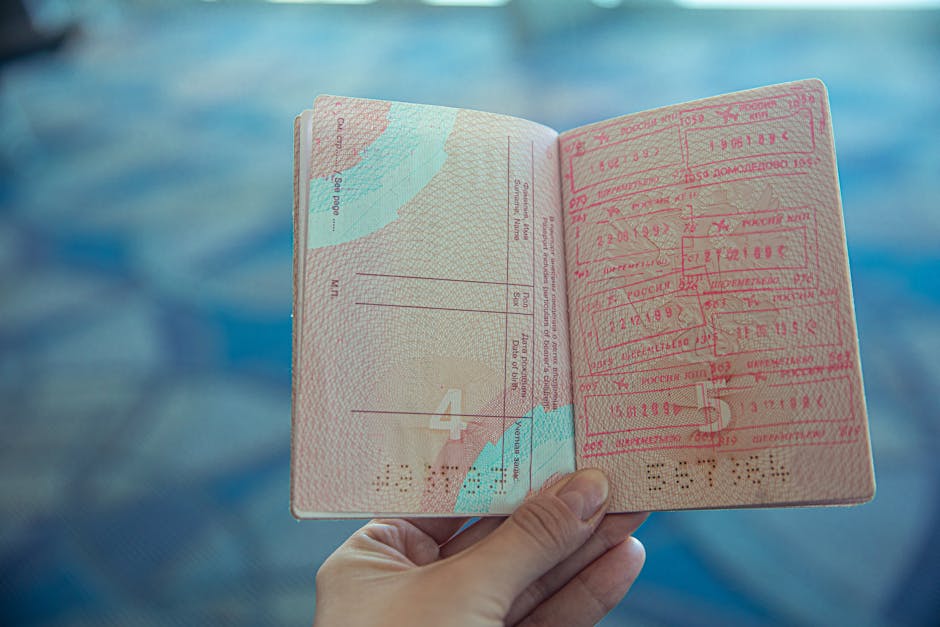
Visa Pathways and What British Expats Moving to Thailand Need to Know
Choosing the right visa is step one. Thailand offers several routes depending on your age, work status, and financial situation. Here’s a breakdown of the main options for Brits moving to Thailand in 2026.

- Tourist and Education Visas cover short stays. A tourist visa gets you 60 days, extendable once, but it’s not a long-term solution. Education visas, often tied to Thai language courses, allow up to a year but require ongoing study commitments.
- Work Permits and BOI Roles suit those with a job offer. Your employer sponsors a Non-Immigrant B visa, and you’ll need a work permit to legally earn income. Board of Investment companies sometimes offer fast-track perks. Salaries for expat roles in Bangkok typically start around $2,500 to $4,000 monthly,enough to live comfortably and save.
- Long-Term Resident (LTR) visas launched in recent years and remain a game-changer in 2026. The LTR program targets skilled professionals, remote workers earning at least $80,000 annually, wealthy investors, and retirees with substantial pensions. Benefits include a ten-year stay, minimal reporting, work flexibility, and the ability to bring family members.
- Retirement Visas (Non-Immigrant O or O-A) remain the backbone for Brits over 50. You’ll typically show 800,000 THB (about $23,000) in a Thai bank account for several months, or a monthly pension of ~65,000 THB (around $1,900). Health insurance is mandatory; annual extensions are straightforward if you keep the funds seasoned and paperwork current.
- Thailand Privilege, formerly Thailand Elite, offers a premium shortcut. Packages start near $25,000 and include multi-year visas, airport fast-track, and concierge services,popular with affluent retirees and investors who value convenience over bureaucracy.
Practicalities you’ll meet along the way: 90-day reporting, TM30 address notifications, and later a Thai driver’s license and local bank account. The UK and Thailand also have a double taxation agreement,consult a cross-border tax advisor to understand pension taxation and residency implications before you move.
Working out which visa you need?
Tell us your nationality, your plans and how long you want to stay. We will put you in touch with immigration specialists who handle these applications daily.
Money, Healthcare, and Daily Realities in USD
Let’s talk dollars and sense. One of the biggest draws for British expats is the cost of living, which remains a fraction of London or Manchester.
- Rent: Bangkok one-bedroom in Sukhumvit runs $600,$1,200. Chiang Mai: $300,$600. Phuket/Koh Samui: $700,$1,500. Hua Hin and Pattaya: roughly $400,$900. Most expats rent first to test neighborhoods.
- Utilities: $70,$170/month. Electricity $40,$120 (AC usage matters), fiber internet $15,$30, mobile $10,$20. Water/garbage minimal.
- Food: Street meals $2,$4; mid-range dinners $5,$12. Groceries for one: $40,$60/week if you mix local markets with a few imports.
- Transport: In Bangkok, BTS/MRT are cheap and reliable; Grab/taxis usually under $5 per trip. Outside the capital, consider a motorbike or car (factor insurance, parking, and fuel).
- Healthcare: Private hospitals are excellent, with many English-speaking doctors. Consultations often $30,$60. Many expats carry international health insurance at ~$1,000,$3,000/year per adult, depending on age and coverage.
- Banking & Taxes: Opening a Thai bank account is easier with a long-term visa. For transfers, services like Wise/OFX beat traditional banks on FX. Thailand deems you tax resident at 180+ days,plan ahead with a professional.
Ballpark budgets: A single Brit can live comfortably on $1,200,$1,800/month outside Bangkok; couples on $1,800,$2,800. Bangkok adds ~$300,$600. Include insurance, flights home, and leisure, and you’ll still find Thailand offers standout value.

Best Places in Thailand to Live as a Brit
Where you settle shapes your experience. Thailand’s diversity means every expat can find their niche,from bustling megacities to sleepy beach towns.
- Bangkok: The powerhouse for jobs, top-tier hospitals (Samitivej, Bumrungrad), international schools, and every amenity. Expat hubs line the BTS Sukhumvit corridor. Trade-offs: traffic, pollution, big-city pace.
- Chiang Mai: Darling of digital nomads and retirees. Rents $300,$700, cooler months Nov,Feb, rich cafe culture, mountain views, tight-knit expat scene.
- Phuket: Island vibes with infrastructure,international schools, services, beaches. Expect $700,$1,500 for quality housing. Scout calmer areas (Rawai, Chalong) if you want year-round peace.
- Hua Hin: Classic retiree favorite. Three hours south of Bangkok with golf, night markets, good hospitals, and a relaxed pace. Rents $450,$900.
- Pattaya: Eastern seaboard convenience. Rents $400,$800, solid healthcare, abundant dining and entertainment. Quiet neighborhoods exist away from the nightlife strip.
- Koh Samui: True island living. Rents $700,$1,400; logistics pricier due to flights/ferries. Slower pace, great scenery, fewer hospitals and schools than the mainland.
Match your choice to your priorities: Need jobs and schools? Bangkok or Phuket. Retiring on a modest budget? Chiang Mai or Hua Hin. Crave beaches and adventure? Phuket or Samui. Want urban convenience by the sea? Pattaya. Many Brits test-drive a city for a few months before signing long leases.
Making Your Move Work
Thailand in 2026 stands out for British expats, blending modern infrastructure with affordable living and a warm, welcoming culture. Whether you’re plotting a career move, seeking a family adventure, or joining the ranks of retirees, preparation is everything.
- Shortlist 2,3 cities that fit your rent ceiling, healthcare access, and lifestyle.
- Pick your visa: Retirement (50+ with funds), LTR for high earners/investors, Thailand Privilege for concierge ease, or Work Permit via a job offer.
- Price insurance and set a USD emergency fund for deposits, flights, and setup costs.
- Pre-arrival homework: Scout neighborhoods online, join expat forums, and plan a reconnaissance trip.
Do your homework, arrive with a plan, and you’ll quickly see why so many Brits now call Thailand home: sunshine, affordability, high-quality healthcare, and genuine hospitality,a combination that’s hard to beat.
Thinking seriously about moving to Asia?
Tell us where you are now and what the move looks like. We will match you with people who have done it before and can save you the expensive mistakes.