British Retirees in Phuket: The Lifestyle Numbers That Make It a No-Brainer
A British pension that barely keeps up with UK inflation can fund a genuinely comfortable life in Phuket , if you run the numbers before you book the flight.

The arithmetic hits differently when you lay it out flat. A couple living in the southeast of England on a combined state and private pension of around £3,500 a month is not living badly, but they are not living well either , council tax, heating bills, the weekly shop, a car they need to keep because the buses stopped running properly in 2009. Move that same income to Phuket, convert it at current exchange rates, and the picture shifts.
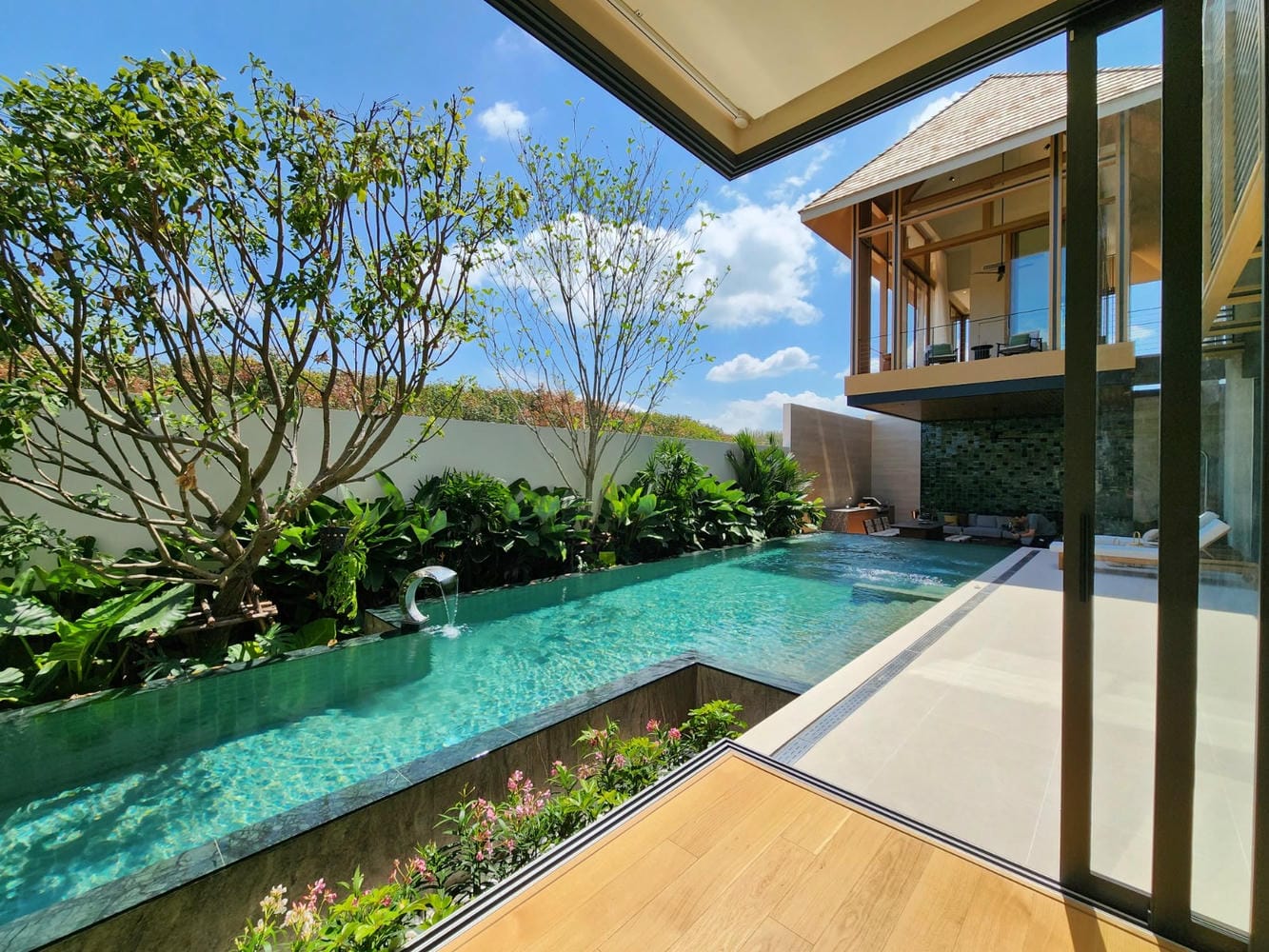
Enough for a well-appointed two-bedroom condo with a pool, regular meals out, private health insurance, a motorbike or car for the island, and money left over. That is the version Phuket’s retirement advocates lead with, and it is not wrong. But the version worth paying attention to is the one with more texture.

What Life Actually Costs
Monthly expenses in Phuket for a British retiree couple land somewhere between $2,000 and $3,500 depending almost entirely on where they live and how they live. That range is not vague , it reflects a genuine split between two Phukets.
The first is the tourist-orbit version: Patong, Kamala, Surin, beachfront Kata.
Rents here for a decent two-bedroom condo with a pool run $800 to $1,400 a month. Western restaurants, imported wine and cheese from Villa Market or Tops, weekend brunches, gym memberships in resort-grade facilities. You can spend $3,500 a month without breaking a sweat, and some months more.
The second Phuket sits slightly inland or in areas like Chalong, Rawai, and the quieter end of Nai Harn. Rents drop to $500 to $900 for equivalent space. Local markets , Makro, the morning market at Chalong Circle , bring groceries down sharply. A meal at a local restaurant costs $3 to $6. Utilities for a two-bedroom unit run $80 to $150 a month depending on air conditioning habits, which in Phuket means a great deal because the island runs warm and humid for most of the year.
Healthcare needs its own line in the budget. Private health insurance for a British couple in their mid-60s in Thailand runs roughly $2,000 to $4,000 a year combined, depending on age, pre-existing conditions, and the level of cover. Bangkok Hospital Phuket and Vachira Phuket Hospital cover the major bases. Routine care is cheap , a GP consultation at a private clinic runs $20 to $40. Dental work is a fraction of UK prices. The financial risk sits with serious illness requiring evacuation or extended specialist treatment, which is where insurance cover needs to hold up.
The exchange rate is the factor British retirees underestimate most. At the time of writing, £1 buys roughly 43 Thai baht. When that rate moves , and sterling has had a rough decade of volatility , a retiree living on a fixed pound-denominated income feels it. Running a small buffer in baht and keeping an eye on transfer timing matters more than most people plan for before they arrive.
Thinking about retiring in Phuket?
Visas, healthcare, budgets and where to base yourself. Tell us what stage you are at and we will help you work through it.
Life Once the Holiday Feeling Wears Off
Phuket is not a quiet island. That is worth saying plainly because some retirees arrive expecting the pace of rural France and find instead a place with real traffic, active construction, a service industry that operates at tourist volume, and a social calendar that can be as full or as thin as you make it.
The expat community is large and well-networked. British retirees in particular cluster in areas like Rawai and Chalong, where there are established social groups, golf societies, hash house harrier runs, sailing clubs out of Ao Chalong, and enough familiar faces at the Friday market that the place starts to feel like a village inside an island. That social infrastructure matters more than most people admit in advance. Retirement abroad is easy to romanticize; the reality of building a social life from scratch in a foreign country is where many people stumble.
The climate is a consideration that deserves more respect than it gets in the brochure version.
Phuket has a proper wet season running from May through October. Not “a bit of afternoon rain” , genuine sustained rain, flooding in low-lying areas, grey skies for days at a time, and a drop in the tourist population that leaves some areas feeling flat. Some retirees embrace it. Others leave for a month or two. Building in the flexibility to travel during the monsoon is worth factoring into the budget and the mindset.
The island suits a retiree who wants warmth, sociability, access to good food and healthcare, proximity to beaches without needing to live on one, and the ease of hosting visiting family who will enjoy Phuket the moment they land. It suits them less if they are looking for cultural immersion in the Thai sense , Phuket’s tourist economy has reshaped the island significantly, and Chiang Mai offers a slower, cheaper, more culturally textured alternative for retirees who want that version. Phuket’s argument is lifestyle ease, not authenticity.
What to Get Right Before You Move
Most experienced retirees in Phuket say the same thing when asked what they would have done differently: rent first, for at least a year, in the neighborhood you think you want to live in before committing to anything.
The Thai retirement visa , formally a Non-Immigrant O-A , requires proof of financial stability, either 800,000 baht (roughly $23,000) held in a Thai bank account or proof of a monthly income of at least 65,000 baht (around $1,900). The visa is renewable annually and straightforward for most British retirees who meet the threshold. The process is not frictionless , it involves medical checks, police clearance, and annual renewals that require the money to be in a Thai bank account at the right time , but it is manageable with good local advice.
Property ownership in Thailand is restricted for foreigners. A British retiree cannot own land outright. Buying a condominium is possible under Thai law provided foreign ownership in the building does not exceed 49% of total units. Many retirees rent indefinitely rather than navigate the ownership route, which is a defensible position given the complexity and the illiquidity of the Thai property market for foreign buyers looking to exit.
The financial planning questions that matter most for British retirees in Phuket are not unique to Thailand , pension transfer options, estate planning across two jurisdictions, tax residency status, and what happens to your healthcare cover if you spend extended time back in the UK. Getting regulated advice from an adviser who understands both the UK and Thai sides of the picture before committing is not optional. It is the part most people skip and later regret.
A financially prepared couple , two state pensions plus a modest defined benefit or SIPP drawdown, clean health, and a combined monthly income around £3,000 , can live well in Phuket without financial strain. The retiree stretching to make the numbers work on £1,800 a month, with thin insurance cover and no cash buffer, is setting up a different experience.
The Right Question to Ask
Phuket works for British retirees who want warmth, ease, and a social world that does not require building from nothing. It works less well as a budget escape hatch or as a substitute for having sorted your finances properly before you go.
The useful question is not whether you can retire in Phuket. For most British retirees with a stable income and reasonable health, the answer is yes. The question worth sitting with longer is whether Phuket fits the way you want to spend your days, your money, and eventually your energy. That is the calculation worth running before the sea views make the decision for you.
Still weighing up your visa options?
Tell us your nationality, your plans and how long you want to stay. We will put you in touch with immigration specialists who handle these applications daily.