


Best Family Neighborhoods Around Southeast Asia’s Major Cities: Bangkok, Kuala Lumpur, Ho Chi Minh City, and Singapore
Choosing the right neighborhood can make or break your family’s expat adventure. While Southeast Asia’s major cities promise affordability, adventure, and career growth, the difference between thriving and merely surviving often comes down to whether your seven-year-old can walk to the playground, your teenager can reach their robotics club without two hours in traffic, and you can actually find organic milk at 8 p.m. on a Tuesday.

The best family neighborhoods around Southeast Asia’s major cities share a handful of non-negotiables: dependable safety, proximity to quality schools, green space for weekend sanity, reasonable commutes, and a critical mass of family amenities from pediatricians to pizza that won’t trigger a meltdown. This guide zeroes in on proven family hubs across Bangkok, Kuala Lumpur, Ho Chi Minh City, and Singapore, weighing everything from BTS station counts to flood-zone realities so you can shortlist with confidence.
Whether you’re comparing landed houses in Kuala Lumpur‘s leafy enclaves or high-rise condos along Bangkok‘s Sukhumvit spine, the framework remains the same: match neighborhood character, school access, budget, and daily logistics to your family’s rhythm. Let’s dive into the standouts city by city.
Bangkok & Kuala Lumpur: Value Meets Vibrancy
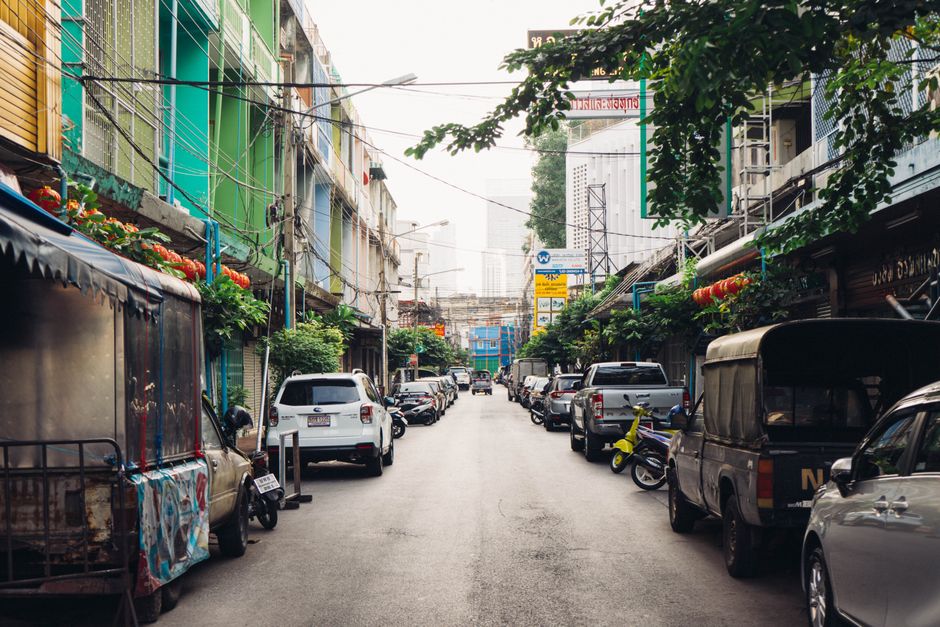
Best Family Neighborhoods Bangkok
Bangkok’s sheer scale can overwhelm newcomers, but a handful of districts have cracked the code on international-school proximity, transit links, and the kind of infrastructure that lets parents push a stroller without wondering if the sidewalk will disappear mid-block.

- Sukhumvit: Ekkamai, Phra Khanong & On Nut
Sukhumvit’s eastern stretch between BTS Ekkamai and On Nut has evolved into a family mainstay. You’re on the green-line spine with two to three stops separating you from CBD offices, yet monthly rents for a three-bedroom condo with a pool and play area hover around 45,000 to 65,000 baht as of early 2025. International preschools and daycares dot the sois, and Gateway Ekkamai mall delivers supermarkets, cinemas, and enough air-conditioned distraction for rainy afternoons. The trade-off? Sukhumvit Road itself is perpetually clogged; rely on the BTS and walking sois rather than cars during rush hour. Families appreciate the expat-local blend, meaning your kids will hear Thai, English, Mandarin, and Japanese on any given playground visit. - Thonglor
One stop west, Thonglor skews older-kid friendly and wallet-conscious parents may wince at the premium. Rents for comparable space run 20–30 percent higher than Ekkamai, but you gain walkable cafés, weekend brunch spots, and after-school enrichment studios within a five-minute radius. The nightlife buzz that made Thonglor famous has mellowed into family-friendly restaurant strips by day; just steer clear of Sukhumvit Soi 55’s bar end after 10 p.m. if you’re walking with toddlers. - Ari
North of the river near BTS Ari and Sanam Pao, this low-rise neighborhood feels more village than metropolis. Tree-lined streets, independent bookshops, and a slower pace appeal to families craving a breather from high-rise density. Commutes to Silom or Sathorn offices clock in under 30 minutes by BTS, and monthly condo rents start around 35,000 baht for two bedrooms. The catch: fewer big-name international schools within walking distance, so factor in shuttle buses or a short drive to institutions like KIS International or RIS Swiss Section. - Sathorn & Yen Akat
Hugging the southern CBD, Sathorn and adjacent Yen Akat put you within ten minutes of Lumpini Park, multiple international schools including Shrewsbury, ICS, and Bangkok Prep, and MRT Blue Line stations. The vibe tilts professional, families here often juggle finance or legal careers with the school run, but green pockets like Benjakitti Forest Park and new pedestrian paths make evening bike rides feasible. Rents range from 50,000 to 80,000 baht for modern three-bedroom units; look for developments with kids’ pools and play zones, as public playgrounds are sparse. - Bang Na & Bearing
Further east along Sukhumvit, Bang Na and BTS Bearing anchor families drawn to Bangkok Patana School, one of the city’s largest and oldest British-curriculum institutions. Condos here deliver more square meters per baht, expect 120 to 150 square meters for 40,000 to 55,000 baht monthly, and newer projects include rooftop running tracks and indoor play areas. The downside: commutes to central Bangkok stretch 45 to 60 minutes in traffic; if both parents work downtown, weigh that daily grind carefully. - Nichada Thani, Nonthaburi
Technically outside Bangkok proper, Nichada Thani is a gated, master-planned village built around the International School Bangkok. Think wide roads, villas with gardens, communal parks, and a car-dependent lifestyle. Monthly rents for a three-bedroom townhouse start around 60,000 baht, and the trade-off for space and greenery is a 40-minute to hour-long drive to downtown offices, longer during monsoon floods. Families who prioritize a suburban, tight-knit expat community over nightlife and urban buzz thrive here; those craving spontaneity may feel isolated. For a deeper look at visa pathways and settling logistics.
Best Family Neighborhoods Kuala Lumpur
Kuala Lumpur blends relative affordability, excellent international schools, and a more manageable scale than Bangkok, making it a quiet favorite among families who want Southeast Asian adventure without sacrificing structure.
- Mont Kiara
The expat nucleus, Mont Kiara packs international schools like Mont’Kiara International School (MKIS) and Garden International School, high-rise condos with pools and gyms, and a critical mass of Western supermarkets and pediatric clinics into a few square kilometers. Monthly rents for a three-bedroom condo average MYR 4,500 to MYR 7,000 in early 2025. The neighborhood’s English-first vibe and abundance of weekend soccer leagues make settling in fast, but some families find the bubble a bit insular; stepping outside Mont Kiara reminds you there’s a whole Malaysian culture to explore. - Bangsar
Just south, Bangsar offers a blend of landed terraces and mid-rise condos, trendy cafés, and LRT access that cuts commutes to the Golden Triangle down to 15 minutes. Rents span MYR 3,500 to MYR 6,000 for three bedrooms, and the neighborhood’s established expat-local mix means international preschools coexist with hawker centers serving world-class nasi lemak. Bangsar’s hilly terrain and older infrastructure can mean narrow streets and limited parking, so if you’re bringing two cars, confirm your condo includes double bays. - Desa ParkCity
North of Mont Kiara, this master-planned township wraps tree-lined streets around a central park and man-made lake. Fairview International School sits on-site, and the development’s dog-friendly policies, jogging paths, and weekend farmers’ markets cement its family appeal. Rents for three-bedroom condos range MYR 4,000 to MYR 6,500, and you’re trading downtown proximity, about 20 to 25 minutes by car to KLCC, for space, greenery, and a genuine neighborhood feel. The self-contained nature means you can go days without leaving, which some love and others find limiting. - Taman Tun Dr Ismail (TTDI)
One of KL’s older, leafier suburbs, TTDI balances convenience and character. The central park, Friday-night pasar malam, and strong local food scene give expat families a taste of authentic Malaysian life while still offering international preschools and easy MRT access. Three-bedroom apartments rent from MYR 2,800 to MYR 5,000, making TTDI one of the better-value picks. The housing stock skews older, so inspect for maintenance and confirm air-con units are recent. - Ampang & Hulu Langat Fringe
East of the city center, Ampang’s embassy row and proximity to the International School of Kuala Lumpur (ISKL) draw diplomatic and corporate families. Landed houses with gardens are common, rents for four-bedroom properties start around MYR 5,500, and green pockets like the Forest Research Institute Malaysia (FRIM) offer weekend hikes. The catch: traffic into the city can bottleneck, and some stretches flood during heavy monsoon rains, so ask landlords about drainage history. For healthcare and schooling details, check the Malaysia country guide and Malaysia healthcare resources.
Ho Chi Minh City & Singapore: Emerging & Established
Best Family Neighborhoods Ho Chi Minh City
Ho Chi Minh City is shedding its backpacker image fast. New infrastructure, a booming expat population, and competitive international schools have turned select districts into genuine family destinations, though due diligence on flooding and traffic remains essential.
- District 2: Thao Dien & An Phu
Thao Dien has become synonymous with expat family life in HCMC. British International School (BIS) and International School Ho Chi Minh City (ISHCMC) anchor the area, and tree-lined streets host villa compounds, international supermarkets, and weekend farmers’ markets. Monthly rents for a three-bedroom villa range USD 1,800 to USD 3,000 in 2025. The downside: parts of Thao Dien still flood during peak monsoon, September through November, so confirm your compound’s elevation and drainage before signing. Commutes to District 1 offices take 20 to 40 minutes depending on time and route; many families use a mix of Grab bikes for speed and cars for school runs. - District 7: Phu My Hung
Across the Saigon River, Phu My Hung is a master-planned township with wide boulevards, parks, and the Saigon South International School (SSIS). The vibe is suburban and orderly, a stark contrast to District 1’s chaos. Three-bedroom apartments in Phu My Hung rent for USD 1,200 to USD 2,200, and the self-contained layout means groceries, pediatricians, and weekend activities are all within a ten-minute drive. Families who prioritize predictability and green space thrive here; those craving urban energy may find it too quiet. Flooding is less of an issue than Thao Dien, but afternoon traffic on Nguyen Van Linh Boulevard during school pick-up can test patience. - Binh Thanh: Vinhomes Central Park
This massive mixed-use development beside Landmark 81 combines high-rise living with a central park, playgrounds, and retail. It’s popular with younger expat families and Vietnamese professionals who want modern amenities and a quick commute to District 1, about 10 to 15 minutes by car or Metro once the full network opens later in 2025. Rents for three-bedroom units hover USD 1,500 to USD 2,500. The on-site international preschool and abundance of kids’ clubs make settling in fast, but older children will likely still bus to BIS or ISHCMC in District 2, adding 30 to 40 minutes each way. - Thu Duc City: Thu Thiem & An Khánh
Formerly District 2’s eastern wards, now rebranded Thu Duc City, this zone is rapidly transforming with new metro stations, parks, and mid-rise condos. Rents are lower, USD 900 to USD 1,800 for three bedrooms, but amenities remain patchy and construction dust is a daily reality. Early-adopter families bet on future growth and shorter commutes once the metro backbone is complete; risk-averse households may want to wait another year or two for infrastructure to catch up. For visa options and settling logistics.

Best Family Areas Singapore
Singapore’s reputation for safety, efficiency, and world-class education makes it the regional gold standard for family living, though sky-high rents demand careful trade-offs between location, space, and school proximity.
- Bukit Timah
Home to the Bukit Timah Nature Reserve and a cluster of top-tier schools including Nanyang Primary and Hwa Chong Institution, this district commands premium rents. Three-bedroom condos start around SGD 5,500 monthly, and landed homes, terraces or semi-detached, can exceed SGD 10,000. Families pay for leafy streets, excellent local and international school access, and a strong sense of community, but budget accordingly; Bukit Timah is among the island’s priciest postcodes. - Holland Village & Queenstown
Straddling the central-west, Holland Village offers a vibrant expat café scene, proximity to schools like Tanglin Trust and Singapore American School, and MRT access via the Circle Line. Rents for three-bedroom units range SGD 4,500 to SGD 7,000. The area’s lively restaurant strips and weekend markets make it easy to meet other families, though noise from bars can be a factor if you’re directly on Lorong Mambong; opt for side streets for quieter living. - East Coast: Katong & Siglap
The East Coast Park connector, beach access, and larger condo layouts draw families who want space without sacrificing urban convenience. Rents for three-bedroom units average SGD 4,000 to SGD 6,000, and the Peranakan heritage vibe adds character. Schools like Canadian International School and UWCSEA East are nearby, and the East-West MRT line puts the CBD 20 to 25 minutes away. Families with young kids appreciate the park connectors for cycling and scootering; weekend beach picnics become routine. - Novena & Toa Payoh
Central and pragmatic, Novena’s hospital cluster and MRT interchange make it a logical hub for families who prioritize medical access and short commutes. Rents for three-bedroom HDB flats start around SGD 3,500, while private condos range SGD 4,500 to SGD 6,500. The trade-off for convenience is less greenery and tighter living compared to Holland or the East Coast, but schools like St. Joseph’s Institution and multiple enrichment centers cluster nearby. - Tampines & Pasir Ris
In the island’s northeast, these mature estates offer Singapore’s best value for space. Three-bedroom HDB flats rent from SGD 2,800 to SGD 3,800, and the abundance of parks, playgrounds, and hawker centers make daily life comfortable. Commutes to the CBD stretch 35 to 45 minutes by MRT, so weigh that against budget savings. Schools are plentiful, and the family-centric vibe means weekend soccer matches and community events are the norm. For deeper insights into property rules and financing, consult the Singapore real estate guides.
Quick-Compare Framework & How to Choose Your Neighborhood
Boiling down dozens of factors into a shortlist starts with honest answers to a few questions. What’s non-negotiable: a ten-minute school run, a garden for your dog, or a sub-30-minute commute to the office? Where can you compromise: older condo facilities, fewer Western restaurants, or a longer taxi ride on weekends?
Budget Tiers in 2025
Bangkok and Kuala Lumpur remain the value champions. A modern three-bedroom condo with amenities costs USD 1,200 to USD 2,000 monthly in Bangkok, slightly less in KL. Ho Chi Minh City sits mid-range at USD 1,500 to USD 2,500 for comparable space and expat infrastructure. Singapore commands a premium: expect SGD 4,000 to SGD 7,000, or USD 3,000 to USD 5,200, for three bedrooms in family-friendly districts, more if you want landed space or prime school zones. For broader comparisons, see cost of living across Asia.
Schools: Proximity vs. Bus Routes
If your child is under six, walkable preschools and playgroups trump everything; older kids can handle 20 to 40-minute bus rides to international schools. Map your shortlisted neighborhoods against school campuses and confirmed bus routes, many schools publish pickup zones on their websites. In Bangkok, living along Sukhumvit or near Sathorn unlocks multiple school options within a 15-minute radius. In Kuala Lumpur, Mont Kiara and Desa ParkCity offer on-site or adjacent campuses. Ho Chi Minh City families gravitate toward Thao Dien or Phu My Hung for the same reason. Singapore’s ubiquitous school-bus network means you have more geographic flexibility, though proximity still shaves stress off morning routines.
Commute & Transport: Prioritize Rail, Plan for Traffic
Every city in this guide suffers traffic at peak hours. Living on or near a BTS, MRT, LRT, or Metro line transforms your daily sanity. In Bangkok, Sukhumvit’s BTS spine, the Blue Line through Silom and Sukhumvit, and the upcoming Yellow and Pink lines opening in late 2025 should anchor your search. Kuala Lumpur’s LRT and MRT networks are less extensive but cover Mont Kiara, Bangsar, and TTDI; double-check commute times during actual rush hour, not Google’s optimistic midday estimate. Ho Chi Minh City’s Metro Line 1 finally launched in early 2025 and connects Binh Thanh and District 2 to District 1, slashing what used to be 40-minute Grab rides to 15-minute train journeys; Line 2 remains under construction. Singapore’s MRT is gold-standard reliable, but peak-hour crowds on the East-West and North-South lines can be intense; living one or two stops from an interchange eases the squeeze.
Flooding and haze deserve a mention. Bangkok’s riverside and older eastern suburbs can flood in October and November; ask landlords for photos from recent years. Ho Chi Minh City’s Thao Dien low-lying pockets flood predictably; compounds with raised roads fare better. Kuala Lumpur and Singapore see seasonal haze from Indonesian forest fires, June through September, but Singapore’s stricter air-quality monitoring and green buffers in Bukit Timah or the East Coast offer some respite.
Housing: Condo Amenities vs. Landed Space
Families with toddlers lean toward condos with kids’ pools, indoor play areas, and security, freeing parents to let children roam safely within the compound. Once kids hit school age and crave space for bikes, pets, or backyard trampolines, landed homes or low-rise townhouses in Nichada Thani, Desa ParkCity, or Bukit Timah become attractive. Pet policies vary widely: Singapore condos often restrict dog breeds and sizes; Bangkok and KL are more relaxed, but confirm with management before signing. Parking matters too, especially in Bangkok and Ho Chi Minh City where street parking is scarce and motorbike traffic makes school drop-offs by car the safer bet.
Newcomer Tip: Trial Stays Before Committing
Book a serviced apartment or Airbnb for two to four weeks in your top-two neighborhoods before signing a year-long lease. Walk the school run at 7:30 a.m., grocery-shop on a weeknight, and test the weekend vibe, does the playground fill with families or sit empty? Is the nearest pediatrician a ten-minute walk or a 30-minute taxi ride? Early-2025 serviced-apartment rates hover around USD 80 to USD 120 per night in Bangkok and KL, USD 100 to USD 150 in HCMC, and SGD 150 to SGD 250 in Singapore; the investment pays off when you avoid a mismatched lease.
Your Next Steps: From Shortlist to Move-In
Choosing among the best family neighborhoods around Southeast Asia’s major cities ultimately hinges on aligning school paths, daily commutes, green-space needs, and budget realities with your family’s rhythm. Start by shortlisting two to three areas per city that tick your non-negotiables, then layer in logistics: does the condo have a kids’ pool, is the BTS station sheltered for rainy-season walks, can you get fresh vegetables without a car? Visit at different times of day, morning rush, school pickup, weekend afternoon, to see how the neighborhood breathes.
Once you’ve zeroed in on a district, dive deeper into visa categories, school application timelines, and housing contracts. Download the free country guides for Thailand, Malaysia, Vietnam, and Singapore to access neighborhood maps, rent snapshots, school checklists, and step-by-step move-in timelines. Each guide includes current visa pathways, check Thailand visas and Vietnam visas for the latest requirements, and real-estate essentials like deposit norms and agent fees for Singapore real estate.


