


Australia to Bali: Why More Aussies Are Calling Indonesia Home in 2025
The Cost-of-Living Crunch in Australia
Australia’s once-envied quality of life now comes with a steep price tag. In recent years, Aussies have been hit by surging living costs, from sky-high grocery bills to rent hikes. The country experienced its biggest inflationary shock in a generation during 2022–2023, which has left Australia “a much more expensive place than it was before the pandemic”. Prices remain at elevated levels even as inflation cools back toward normal, meaning the cost-of-living crisis is far from over. Households are struggling to keep up: nearly 7 in 10 Australian families (69%) are now grappling with financial stress amid the rising costs. Everyday essentials like groceries, utilities and fuel have all become costlier, forcing almost 9 in 10 people to cut back spending just to stay afloat.

One of the biggest pain points is housing. Rents and mortgage payments have climbed dramatically, squeezing budgets across the country. Average rents have soared over 50% since 2020, making housing the largest expense for many families. More than 60% of renters have already been hit with rent increases, with another 20% expecting a hike soon. Meanwhile, interest rate rises drove the average mortgage repayment up by an extra $880 per month in 2023. It’s no wonder homeownership feels out of reach for nearly half of young Aussies, and even affording day-to-day items like groceries has become a struggle for almost one in three people.
Tax Burdens and Economic Pressures
On top of living costs, Australia’s tax burden is another factor nudging some to reconsider where they call home. Australia employs a progressive tax system with high marginal rates – up to 45% on incomes over ~$190,000 (before Medicare levy). Even middle-class incomes face hefty tax brackets of 30–37%, which, combined with goods and services taxes and levies, can leave Aussies feeling squeezed. While upcoming Stage 3 tax cuts promise some relief for higher earners, many average workers today see a big slice of their pay go to taxes. Coupled with stagnant real wage growth – wages grew around 3.5% in 2024, barely keeping pace with inflation – the economic pressure is palpable. Household budgets are caught in a pincer of rising prices and significant tax outflows, eroding disposable income. This has led some enterprising Australians to imagine life elsewhere, where their dollar might stretch further and tax obligations could be lighter (for example, by becoming a non-resident for tax purposes).


Australians Look to Indonesia for Relief
All these pressures at home have sparked a trend: a growing number of Australians are selling up and moving overseas in search of a more affordable, fulfilling life. And Indonesia – especially Bali – has emerged as a top choice. In fact, Australians now flock to Indonesia more than any other destination, with over 1.5 million Aussie visits to Bali in 2024. While most are tourists, a small but rising cohort are choosing to make Indonesia their permanent or semi-permanent home. Independent estimates suggest over 10,000 Australians now live in Bali either year-round or for a good part of each year – a number echoed by academic research. Many are “burned-out and priced-out” families and professionals who, after crunching the numbers, realized they could enjoy a better lifestyle for less in Indonesia.
So what exactly is the appeal? In short, the promise of a tropical paradise lifestyle at a fraction of the cost. The Australian dollar goes a long way in Indonesia. Everyday expenses – from food to transport to utilities – are dramatically cheaper. Clients report a ~30% drop in cost of living when they move to Bali. Let’s look at a direct comparison of living costs in Australia vs Indonesia:
-
Housing: Renting a home in Indonesia can be astonishingly affordable. A one-bedroom apartment in a city center costs around $292 per month in Indonesia vs $1,490 in Australia. Even a spacious three-bedroom villa in a popular Bali area might rent for A$550 a week, which gets you a private pool and garden – something that could cost three or four times as much in Sydney! Premium Bali properties top out around $1,500 a week for luxury vistas, still competitive with upscale Australian rents, and most rentals require a year’s rent upfront. Overall, rent prices in Australia are nearly 3x higher than in Indonesia on average.
-
Food and dining: Grocery staples and dining out are far cheaper in Indonesia. A simple local lunch might be AUD $2 in Bali versus $14 in Australia. Fresh produce and market foods are inexpensive (twelve eggs for $1.60 in Bali vs $5 back home). Even a treat like a cappuccino averages only $1.86 in Indonesia vs $3.60 in Australia. For those who enjoy eating out, two people can have a nice dinner in Bali for around $14, whereas a similar meal in Australia could easily cost $70+. It’s not just local food either – even Western-style cafes and restaurants in expat areas offer meals at a fraction of Australian prices.
-
Transportation & utilities: Getting around and staying connected is easier on the wallet. Petrol is about half the price per liter compared to Australia. Hopping on a scooter or using ride-share apps in Bali costs very little (a few dollars for trips that might run $20 in an Australian city). Monthly utility bills and internet are also lower – a high-speed internet plan might be $24 in Indonesia vs $49 in Australia. And while Australia’s public transport can be pricey (a monthly pass ~$90 in Sydney), in Indonesian cities it’s often under $15.
-
Healthcare and services: Day-to-day services tend to be cheap, which is a lifestyle game-changer for many expats. Hiring household help, like a weekly cleaner or nanny, is affordable in Indonesia – a luxury that few could consider back home. Basic healthcare services and doctor’s visits are also inexpensive (a clinic visit runs around $15 in Bali vs $55 in Australia). Everyday essentials from haircuts to gym memberships cost a fraction of Australian prices. This “value for money” means that middle-class Australians can enjoy an upgraded lifestyle – dining out more, outsourcing chores, or living in a larger home – without breaking the bank.
It’s important to note that local Indonesian salaries are much lower than Australian incomes, which is why this lifestyle arbitrage especially benefits those with foreign income (remote workers, retirees, investors). For an Aussie with savings or an online job, Indonesia offers First-World luxuries at developing-world prices. In fact, by one index, the cost of living in Australia is about 286% higher than in Indonesia overall. Little surprise that so many are enticed by the prospect of trading the financial stress for a slice of affordable paradise.

Working out which visa you need?
Tell us your nationality, your plans and how long you want to stay. We will put you in touch with immigration specialists who handle these applications daily.
The Indonesia Advantage: Climate, Community, and Connectivity
Beyond the dollars and cents, Indonesia promises a lifestyle that’s hard to resist. Take Bali’s climate: warm tropical weather year-round, with average temperatures around 27°C and no winter cold snaps. For Australians used to shivering through winter or baking in dry summers, Bali’s balmy beaches and green rice terraces offer a welcome change. Waking up to swaying palm trees and an ocean breeze has an undeniable allure compared to city traffic and suburbia.
Then there’s the community and culture. Bali (and other expat hubs like Jakarta, Yogyakarta, and Lombok) host vibrant international communities. In Bali’s co-working cafes and yoga studios, you’ll meet not just locals but expats from around the world. Neighborhoods like Canggu, Ubud, Seminyak, and Sanur are filled with foreigners – including thousands of Australians – enjoying a relaxed pace of life. It’s easy to strike up conversations and find your tribe, whether you’re a digital nomad, a young family, or a retiree. Many Australians find they quickly plug into supportive networks of fellow expats and friendly locals. English is widely spoken in tourist areas, making day-to-day interactions smoother. Culturally, Indonesia offers a rich tapestry – from Balinese Hindu festivals to the music and art – which many find enriching compared to the routine back home.
Another perk is accessibility. Indonesia is practically next door – you can hop on a flight from Perth and be in Bali in under 4 hours. Even from Sydney or Melbourne, it’s only about 6 to 7 hours away, often on convenient direct flights. The short distance means it’s feasible to visit family in Australia regularly or have them come soak up the Bali sun. The time zone difference is minimal (Bali is just 2–3 hours behind Australia’s east coast), so keeping in touch or even working remote Aussie hours is easy. In essence, moving to Indonesia doesn’t feel as “far” as relocating to Europe or the US – you’re still in a nearby time zone and can fly back for Christmas or a footy grand final without a massive journey.
Modern infrastructure in expat areas has also improved. Bali now boasts reliable high-speed internet in most towns, enabling remote work. Cute cafes double as offices for many remote-working Aussies, and co-working spaces abound (with great coffee to boot). Digital infrastructure (Wi-Fi, mobile coverage) is solid in populated areas, though more rural parts can be patchy.

Visa Pathways: Making It Permanent
One key consideration for anyone eyeing a move is visas. Thankfully, Indonesia has rolled out new visa options to attract foreign residents, making it simpler for Australians to stay long-term legally. Some of the popular pathways include:
-
Second Home Visa – Introduced in late 2022, this visa offers 5 or 10-year residency for affluent foreigners. Applicants must show proof of funds (e.g. a deposit of around IDR 2 billion, roughly AU $130,000 in a local bank) or ownership of high-end property. It’s designed for those who want to invest, retire, or simply live in Indonesia without working locally. The Second Home Visa has been a game-changer, allowing people to truly settle in (buy cars, sign long leases, etc.) without constant visa runs.
-
Investor KITAS – For entrepreneurial types, Indonesia offers an investor visa (a form of KITAS, or limited stay permit) if you start a business or invest in an Indonesian company. By establishing a foreign-owned company (PT PMA) or investing significant capital, you can secure residency rights as an investor, often for 1-2 years at a time with renewals. This is attractive for those who might open a cafe, run a surf shop, or even set up an online business base in Bali.
-
Retirement Visa – Tailored for the over-55 set, the retirement KITAS lets older Australians live in Indonesia as long as they don’t work. You need to show proof of pension funds or income and have local sponsorship. Many Aussie retirees choose this route to enjoy their golden years by the beach, often hiring local staff for help and contributing to the community.
-
Work Visa (Working KITAS) – Some Australians get hired by Indonesian companies or international schools, etc. In those cases, the employer sponsors a work KITAS for the individual to live and work in-country. However, most lifestyle-driven movers prefer to be self-employed or retired, so they opt for the non-work visas above.
-
Business and Social Visas – For those not ready to commit, Indonesia also issues 6-month business visas or 60-day social-cultural visas that can be extended. Historically, many long-term Bali lovers did the “visa run” dance – exiting the country briefly to renew a tourist or social visa. While doable, it’s a hassle and legally risky long-term. The newer long-stay visas aim to eliminate the need for perpetual visa runs by providing a more stable status.
[Read More: Indonesia Long-Term KITAS Visa: Which Visa is The Best For You]
Between these options, moving to Indonesia has never been easier from an immigration standpoint. It’s advisable to consult a visa agent or legal expert to navigate the process (and requirements can change), but thousands of Australians have successfully obtained long-term stay permits in the past couple of years.
Bali: A Paradise with Trade-Offs
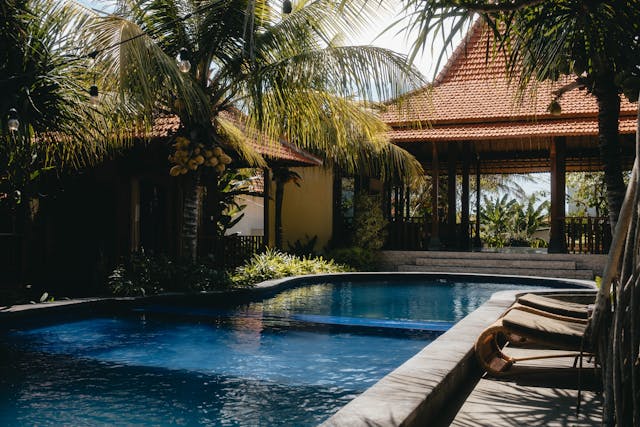
Life in Indonesia can indeed look like a dream come true – but it’s not without its adjustments. It’s important to go in with eyes open about a few trade-offs. For one, Indonesian bureaucracy and infrastructure operate differently than Australia’s. Things like opening a bank account, extending a visa, or getting paperwork done can involve more red tape and patience. Power outages or patchy water supply can occur in some areas, and traffic in places like Jakarta or parts of Bali can test anyone’s patience. Adapting to the local pace (sometimes affectionately called “jam karet” or rubber time) is part of the experience.
Healthcare is another consideration. While routine medical care and pharmacies are readily available (and much cheaper), for any serious health issues many expats prefer to fly to Singapore or back to Australia. Indonesian hospitals in major cities are improving, but they may lack some of the advanced facilities or specialists that Australians are used to under Medicare. Most long-term expats invest in international health insurance or ensure they have funds for emergencies. As one travel expert put it, “for anything major, you really want to be in a first world country”. That said, for day-to-day health needs – a GP visit, dental check-up, or prescription refill – Indonesia suffices just fine at a fraction of the cost.
There’s also the emotional aspect: cultural differences and being away from “home”. Indonesia is a Muslim-majority nation (except Hindu-majority Bali), with different customs and norms. Adapting to a new culture is thrilling but can also be challenging – whether it’s language barriers or understanding local etiquette. And no matter how cheap the beer or beautiful the sunset, some Aussies do feel pangs of homesickness or miss the clean streets and orderliness of home. As Bali’s popularity has exploded, parts of the island have gotten crowded and commercialized, which can be jarring. “In between those beautiful vistas are a lot of pollution and a lot of people…living in poverty,” one Australian observer noted of Bali, explaining that adjusting to visible inequality can be hard.
Nonetheless, those who make the leap often find the pros far outweigh the cons. The slower, simpler lifestyle many adopt in Indonesia – surfing at sunrise, doing yoga, spending more time with family, or pursuing a passion project – leads to a quality of life that money struggled to buy them in Australia. As one Aussie transplant in Bali said, “It’s amazing. We’re eight months in and we love it… Bali has given us that freedom to enjoy our life”.
Ready for Your Own Indonesian Adventure?
From cost-of-living relief and tax breaks to tropical climate and community vibes, it’s easy to see why Indonesia is beckoning more Australians in 2025. The ability to maintain a comfortable lifestyle – or even upgrade it – while escaping the rat race back home is a compelling formula. Of course, moving countries is a big decision with many factors to weigh. But if you’ve been dreaming of swapping high stress for a higher quality of life, now is the time to explore your options. Indonesia’s doors are open, and thousands of Aussies have already blazed the trail to a new life under the palm trees. Thinking about relocating in to Bali? Sign-Up to Our Bali Real Estate Waiting-List to Learn More.
Thinking seriously about moving to Bali?
Tell us where you are now and what the move looks like. We will match you with people who have done it before and can save you the expensive mistakes.


