New Manila International Airport in Bulacan: What to Expect
Anyone who has flown into Manila knows the routine. A slow taxi to the gate, a long wait for bags, then the traffic. Ninoy Aquino International Airport handles around 50 million passengers a year on land that cannot grow. New Manila International Airport is the answer the Philippines has been building towards: a new gateway on 2,500 hectares of reclaimed land on the northern shore of Manila Bay, in the town of Bulakan, Bulacan.

The first runway is targeted for 2028. Here is what is being built, how big it will be and what it could mean for living in and around Manila.
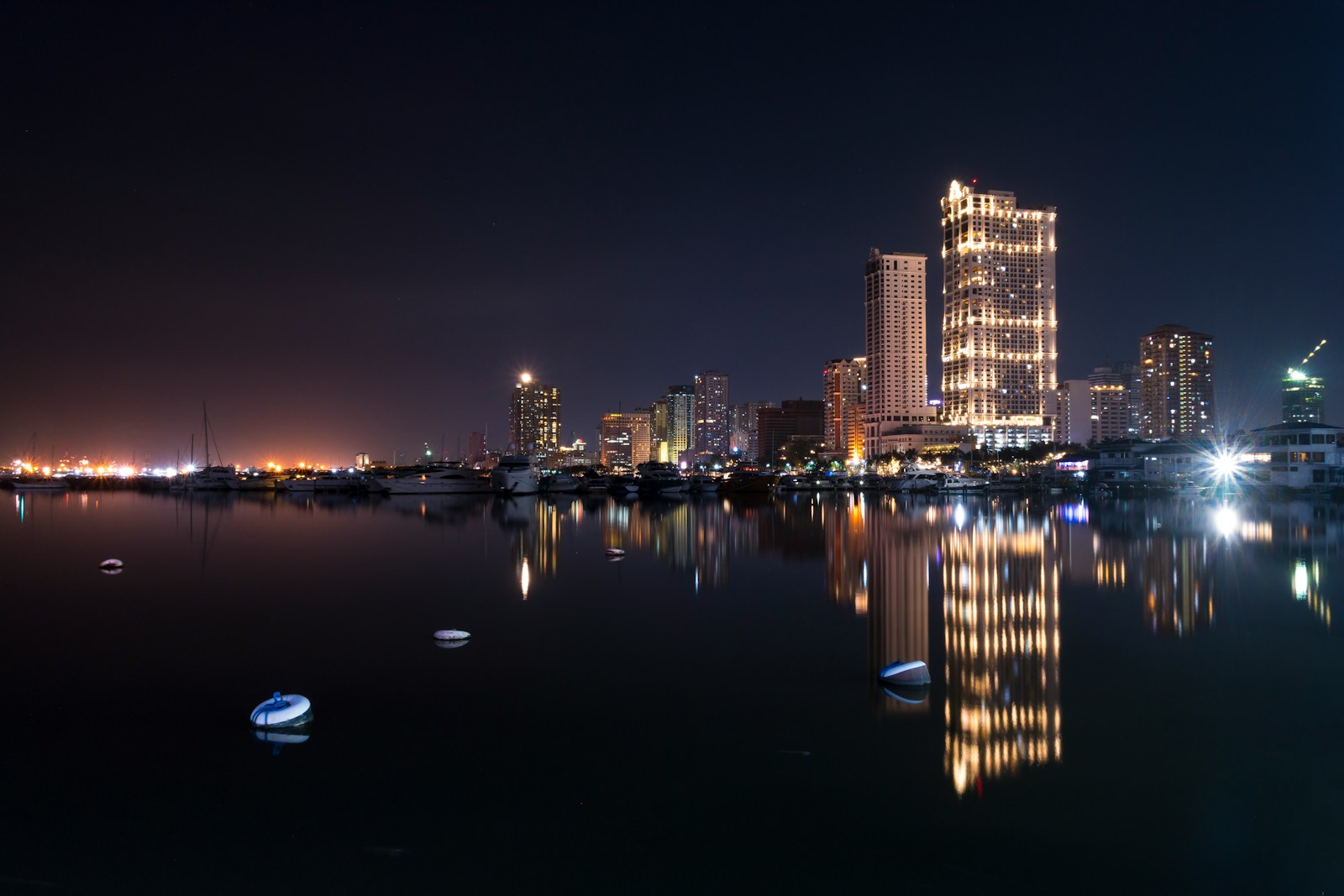
The project at a glance
New Manila International Airport is being developed by San Miguel Aerocity, part of the San Miguel group, under a 50 year concession with the national government. The total investment has been put at around 735 billion pesos, about US$12.5 billion (San Miguel Corporation, June 2026). It is the largest private sector infrastructure investment in the country’s history.
| Location | Bulakan, Bulacan, on the northern shore of Manila Bay |
| Site | About 2,500 hectares |
| Investment | About 735 billion pesos, around US$12.5 billion (SMC, 2026) |
| Developer | San Miguel Aerocity, 50 year concession |
| First runway | Targeted for 2028, with San Miguel saying in June 2026 it could finish early |
| Further runways | A second runway planned for 2029, with full build out around 2032 depending on demand |
| Long term capacity | Up to 100 million passengers a year |
Where the work stands
Much of the early effort has gone into the ground itself. The site is reclaimed and reinforced land along the bay, and land development has been the longest part of the job. Construction of the passenger terminal was scheduled to begin in 2026, according to the Department of Transportation.

At San Miguel’s annual shareholder meeting in June 2026, the group said the first runway was broadly on track and could be completed ahead of the 2028 target. The logistics centre, first planned for 2025, was expected by the end of 2026. The terminal and other parts of the airport city will follow in phases, each one sized to demand.
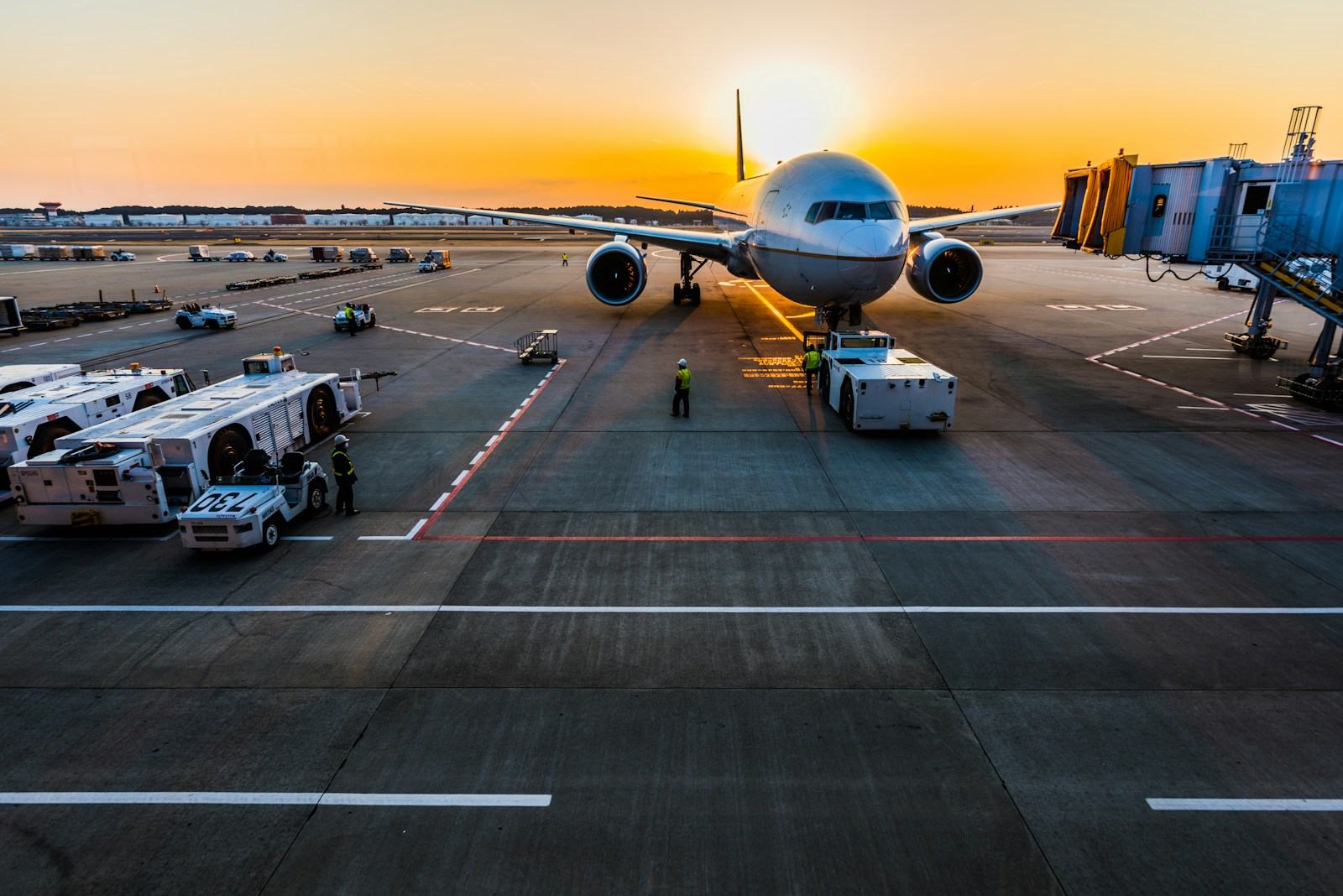
Getting there from Metro Manila
Bulakan sits on the bay just north of Navotas and Malabon, close to the northern edge of Metro Manila. The plan includes new expressway links into the capital, so the drive from Manila’s business districts is expected to be far shorter than the trip to many of the region’s other airports.
The wider north of Manila is also gaining rail. The North South Commuter Railway is being built through Bulacan towards Clark, and the MRT-7 line is heading to San Jose del Monte in the same province. Together, these projects are reshaping how people move through Bulacan.
What a new gateway means for life around Manila
For travellers, the biggest change will be choice. A new airport with room to grow means more routes, more airlines and fewer delays caused by a crowded runway. Ninoy Aquino International Airport is also being upgraded by a San Miguel led consortium, so the capital will eventually have two major airports to share the load, plus Clark International Airport further north.
For people living in the Philippines, the airport adds a new centre of gravity north of the city. Bulacan has long been a commuter province with farmland, old churches and a strong local food culture. With an international gateway on its coast and new rail lines arriving, it is becoming an increasingly practical base for families and frequent flyers who want more space than Metro Manila allows.
Big airport projects tend to open in stages, and this one will be no different. The first runway is the date to watch, with the terminal, more runways and the surrounding airport city following through the early 2030s.
Look north of Manila
The Philippines is building more transport infrastructure this decade than at any time in its history, and Bulacan sits at the centre of much of it. For more on the region, read about living in BGC Manila, Siargao and Kuta Lombok, then browse homes across Southeast Asia on the Asia Lifestyle Magazine property portal.