Thailand Travel Tips For First-Timers Make and How to Avoid Them in 2025

Thailand is one of Southeast Asia’s most forgiving destinations for first-time travelers, but even the most enthusiastic explorers can stumble into preventable headaches. From overbooking your itinerary and choosing the wrong Bangkok base to falling for well-worn scams and underestimating the heat, a few common Thailand travel mistakes can turn dream days into logistical nightmares. The good news? Nearly all of them are easy to sidestep with a little advance planning and local insight.
This guide walks you through the most frequent thailand first time traveler mistakes tips and gives you practical, on-the-ground fixes sourced from recent travel reports and expat advice. Whether you’re island-hopping with kids, navigating Bangkok’s BTS, or stepping into your first temple, you’ll leave ready to move smart, respect local norms, and squeeze more joy out of every baht.

Plan Smart Before You Go
Pick your season, then build in buffer days. Thailand’s weather swings from scorching dry season heat, January through April, to monsoon rains that drench the Gulf coast May to October and the Andaman side May to November. First-timers often book fixed dates without checking air-quality indexes or jellyfish seasons. In 2025, Bangkok’s PM2.5 pollution spikes have remained most severe January through March, so families with young children or asthma should consider traveling November or late monsoon when the air clears. Monsoon doesn’t mean all-day downpours; it usually means brief afternoon storms, but ferry schedules can cancel and roads flood. Build one or two buffer days into any multi-leg itinerary so a delayed boat to Koh Samui doesn’t cascade into missed flights home.
Stay near rapid transit, not just “the action.” Many first-time visitors book hostels around Khao San Road because it’s cheap and social, then spend hours in tuk-tuks or taxis every day. Instead, choose a hotel within 500 meters of a BTS Skytrain or MRT subway station. Families should prioritize pools, because midday Bangkok heat regularly tops 35 °C and children need a place to cool down. Neighborhoods such as Sukhumvit Soi 11 to 24, Silom near BTS Sala Daeng, or Ari near BTS Ari offer walkable restaurants, convenience stores, and quick rail links to temples and shopping without the backpacker chaos. Check out our Bangkok neighborhoods map to compare districts side by side.
Sort documents and insurance early. Most passport holders from Western countries, Australia, and much of Asia receive a visa-exempt stamp for 30 or 60 days on arrival, but rules change. As of early 2025, the Thai government extended the visa-exempt stay to 60 days for many nationalities; verify your own on the Thai embassy website or our Thailand visa guide. Travel insurance is non-negotiable. Hospital bills in Bangkok private facilities can run thousands of dollars for a motorbike accident, and some islands have only basic clinics. If you plan to ride a scooter, confirm your policy covers motorbikes and that you hold an International Driving Permit, because Thai police spot-check tourists and rental shops will not cover uninsured riders. Dive deeper into coverage options in our Thailand travel insurance explainer.
Pack light but pack right. Thailand’s temples enforce modest dress: shoulders and knees covered, no see-through fabrics, shoes off inside. Carry a lightweight sarong or linen pants you can slip over shorts. Reef-safe sunscreen protects both your skin and coral reefs, many of which have seen bleaching exacerbated by chemical sunscreens. Bug repellent with at least 20 percent DEET is essential; dengue cases across Southeast Asia, including Thailand, rose in recent years, and the mosquitoes bite day and night. A compact rain jacket or poncho handles sudden showers without taking luggage space. Leave bulky toiletries at home; 7-Eleven and Boots pharmacies stock everything at lower prices.
Get connected on touchdown. Airport SIM card booths from AIS, TrueMove, or dtac sell tourist packages with generous data for 200 to 500 baht, enough for two weeks of maps, ride-hailing, and video calls. If your phone supports eSIM, providers such as Airalo offer Thailand data plans you activate before departure. Either way, download offline maps in Google Maps and install Grab and Bolt ride-hailing apps before you land; both work across Thailand and prevent the “broken meter” taxi hustle.
On-the-Ground Etiquette and Scams
Respect temples and the monarchy without exception. Buddhism shapes daily life, and disrespect, even accidental, can land you in genuine trouble. Remove shoes before stepping onto temple grounds or into any building with a Buddha image. Dress modestly: no tank tops, short shorts, or ripped jeans. Keep voices low, especially during prayer. Never climb on statues for photos. Point feet away from Buddha images when you sit. The Thai royal family commands deep reverence; criticizing or mocking the king, even in a private conversation or on social media, violates lèse-majesté laws and carries prison sentences. Tourists have been prosecuted. When the royal anthem plays before movies or at 8 a.m. and 6 p.m. in public spaces, stand quietly until it finishes. Follow our Thai temple etiquette guide for deeper cultural context and a visual do-and-don’t checklist.
Taxis, tuk-tuks, and the oldest scams in Bangkok. Metered taxis are cheap, but drivers near tourist spots often refuse the meter and quote inflated flat rates. Politely insist “meter, please” or walk away and hail another. Better yet, use Grab or Bolt; fares are transparent, drivers are rated, and you avoid language barriers. Tuk-tuks are fun for short hops but cost more than metered taxis for anything over a kilometer. The “temple is closed today” scam remains alive: a friendly local outside the Grand Palace or Wat Pho tells you it’s shut for a holiday and offers a tuk-tuk to “lucky” gem shops or tailors who pay him commission. Temples post real closing times on official websites; if someone unsolicited approaches you, smile and walk past. Jet-ski rental scams on Phuket and Pattaya involve pre-existing damage blamed on you; rent only from established shops, take dated photos of every scratch before you start, and decline any vendor who rushes you. Our Thailand scams to avoid article documents two dozen common traps with photos and counter-tactics.
Cash, cards, and the ATM fee shock. Thai ATMs charge 220 baht per foreign-card withdrawal, one of the world’s highest fees, and your home bank may add another few dollars. Withdraw the maximum your card allows in one go, usually 20,000 or 30,000 baht, to minimize fee frequency. Currency-exchange booths, especially SuperRich and Vasu in Bangkok, offer better rates than airport counters or hotel desks; compare rates on their websites before you go. Carry cash for street food, markets, and rural guesthouses. Credit cards work in malls and chain hotels but often incur a three-percent surcharge. Haggling is expected at markets and with tuk-tuk drivers; offer 20 to 30 percent below the opening price and meet somewhere in the middle with a smile. Tipping is not obligatory but appreciated: round up taxi fares, leave 20 baht for street-food vendors if you’re pleased, and 10 percent in sit-down restaurants that don’t add a service charge.
Eat confidently, drink carefully. Thailand’s street food is world-class and, contrary to nervous first-timer fears, very safe if you choose stalls with high turnover. Look for lines of locals, watch food cooked fresh in front of you, and avoid anything sitting under heat lamps. Spice levels can ambush the unprepared; “Thai spicy” means tears and sweat. Start with “mild” or “no chili” until you gauge your tolerance. Sealed bottled water is ubiquitous and cheap; ice in cities is typically factory-made and safe, but in remote villages stick to sealed drinks or boiled water. Wash fruit you peel yourself; skip pre-cut fruit from carts if it’s been sitting in heat.
Moving Around and Staying Safe
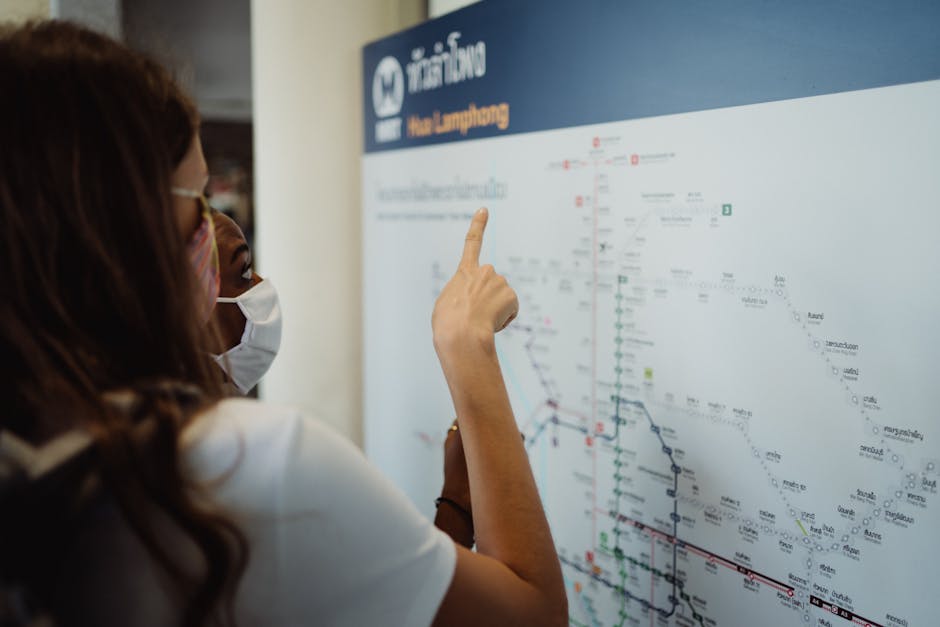
Master Bangkok public transit or waste hours in traffic. The BTS Skytrain and MRT subway are air-conditioned, punctual, and cover most tourist zones. One-day passes cost around 140 baht for unlimited BTS rides, worthwhile if you’re temple-hopping. The Chao Phraya Express Boat runs north-south along the river, stopping near the Grand Palace, Wat Arun, and Asiatique; tickets are 15 to 40 baht and boats depart every 15 minutes during peak hours. Download our Thailand transport BTS MRT map with interchange stations and operating hours. Avoid road transport during morning and evening rush, 7 to 9 a.m. and 5 to 8 p.m., when a five-kilometer taxi crawl can take an hour. If you must use a taxi or Grab at peak times, add 30 minutes to your estimate and keep bottled water and snacks in your bag.
Motorbikes kill more tourists than anything else in Thailand. Official statistics and consular reports consistently rank traffic accidents, particularly scooter crashes, as the leading cause of serious injury and death among foreign visitors. Thai roads are chaotic, drivers overtake on blind curves, and helmet laws are poorly enforced outside cities. If you’ve never ridden a scooter, Thailand is not the place to learn. If you insist, rent only from shops that provide helmets and third-party insurance, confirm your travel insurance covers motorbike use, and carry your International Driving Permit. Inspect tires, brakes, and lights before you ride. Wear a proper helmet, not the half-shell decorative bowls many shops offer. Avoid night riding; rural roads lack lighting, and drunk driving spikes after dark. On islands such as Koh Samui or Koh Phangan, loose gravel on hill roads causes dozens of tourist spills daily. Rent a car with insurance or use taxis and songthaews instead.
Check boats and mind the sea. Island ferries are generally well maintained, but speedboats to remote spots can be overcrowded and skip safety briefings. Always locate your life jacket under the seat, and if none exists demand one or choose another operator. Monsoon swells cancel ferries; don’t gamble with small longtail boats when seas are rough. On beaches, red flags mean no swimming; rip currents are strong and lifeguards rare outside major resorts. Jellyfish season in the Gulf of Thailand, particularly around Koh Samui, peaks October through January; box jellyfish stings require immediate hospital treatment. Check the Koh Samui first-timers guide for updated monthly water conditions. Coral cuts and sea-urchin stings are common; wear reef shoes when wading and never touch coral.
Stay hydrated, sun-smart, and dengue-aware. Thailand’s heat is relentless. Carry a refillable water bottle and drink at least two liters a day, more if you’re active. Heatstroke symptoms, dizziness, nausea, confusion, come fast; retreat to shade or air-conditioning at the first sign. Apply SPF 30-plus sunscreen every two hours; the tropical sun burns pale skin in under 15 minutes. Dengue mosquitoes bite during the day, especially in shaded outdoor areas and after rain. Wear long sleeves at dawn and dusk, use repellent, and sleep under a net in budget guesthouses. If you develop high fever, severe headache, or pain behind the eyes, see a doctor immediately; dengue can escalate quickly. Bangkok’s air pollution in the cool season, January to March, often exceeds WHO guidelines. Track real-time AQI on apps such as AirVisual and wear an N95 mask outdoors if readings top 150.
Traveling with family? Pace yourselves and pick spots wisely. Kids wilt in midday heat; start sightseeing early, break for pool time 11 a.m. to 3 p.m., then resume in late afternoon. Many Bangkok malls, CentralWorld, Siam Paragon, EmQuartier, have indoor play zones and nursing rooms. The Grand Palace and Wat Pho are spectacular but crowded and offer zero shade; bring hats, strollers with sunshades, and plan 90 minutes maximum before retreating. Avoid Bangkok’s red-light districts, Soi Cowboy, Nana Plaza, Patpong, with children in tow; they’re walkable from family-friendly Sukhumvit hotels but graphic after dark. Elephant sanctuaries that let you wash and feed retired animals ethically, no riding, no chains, are popular with families; book ahead through accredited operators. Beach resorts on Koh Samui’s Chaweng or Lamai often have kids’ clubs and calm bays. Our Thailand family travel article lists tested itineraries, child-friendly restaurants, and health clinics in every major city.
Your First Thailand Trip, Simplified
Thailand rewards the prepared and forgives the flexible. Timing your visit outside pollution peaks and monsoon chaos, staying near rapid transit, and packing appropriately for temples and tropical weather will save you hours and hassles. On the ground, a polite “meter please,” a downloaded Grab app, and a healthy suspicion of unsolicited “help” defeat almost every scam. Embrace street food, respect Buddhist customs, and give motorbikes a wide berth unless you’re a confident rider with proper insurance and permits. Watch the sea, stay hydrated, and build midday breaks into your schedule, especially with children. Follow these thailand first time traveler mistakes tips and you’ll find Thailand easy, affordable, and unforgettable in all the right ways.
Ready to dive deeper? Download our complete Thailand Country Guide, packed with visa rules, sample itineraries, neighborhood breakdowns, and a scam-recognition checklist you can bookmark on your phone. Sign up now and get free access to our interactive Thailand planning toolkit, updated for 2025 travel.