


Malaysia Open House Guide: Deepavali, Etiquette and More
In Malaysia, a big festival often comes with an open door. The rumah terbuka, the Malaysia open house, is one of the country’s most generous traditions. Families welcome friends, neighbours, colleagues and sometimes complete strangers into their homes to eat, talk and celebrate together.

Malaysia is home to Malay, Chinese, Indian and many indigenous communities, and the open house brings them together around the same table. Here’s how it works, when to find one, how to be a good guest, and a few places that tell Malaysia’s wider story.
What is a Malaysian open house?
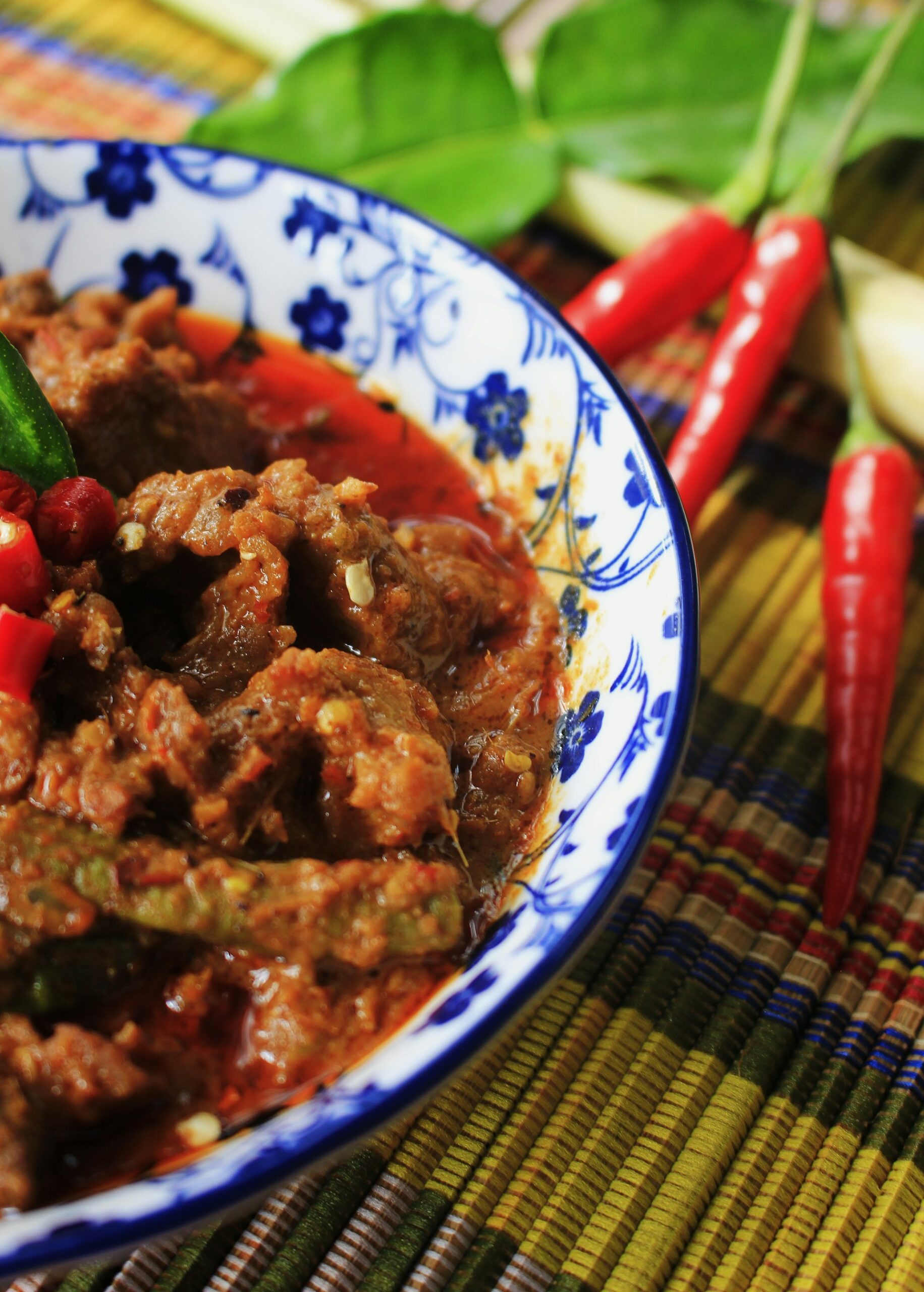
An open house is a gathering where well wishers of any race or religion are invited to visit during a festival. Doors open in the morning, guests come and go throughout the day, and the kitchen keeps cooking. Nobody expects you to stay for hours. A visit of 30 minutes to an hour is normal, and many people visit several houses in a day.
The three main open house seasons follow the country’s biggest festivals.
- Hari Raya Aidilfitri, which marks the end of Ramadan. Expect rendang, ketupat rice cakes with peanut sauce, lemang cooked in bamboo, and tins of festive cookies.
- Chinese New Year, with mandarin oranges, pineapple tarts and red packets for children.
- Deepavali, the Hindu festival of lights, with curries, murukku, laddu and other sweets.
Politicians, companies and state governments also host public open houses, which are the easiest way for a visitor to experience one without a personal invitation.

Deepavali 2026: Malaysia’s next open house
Deepavali falls on Sunday 8 November 2026. It’s a public holiday across Malaysia except Sarawak. Because it falls on a Sunday, most states also give a replacement holiday on Monday 9 November.
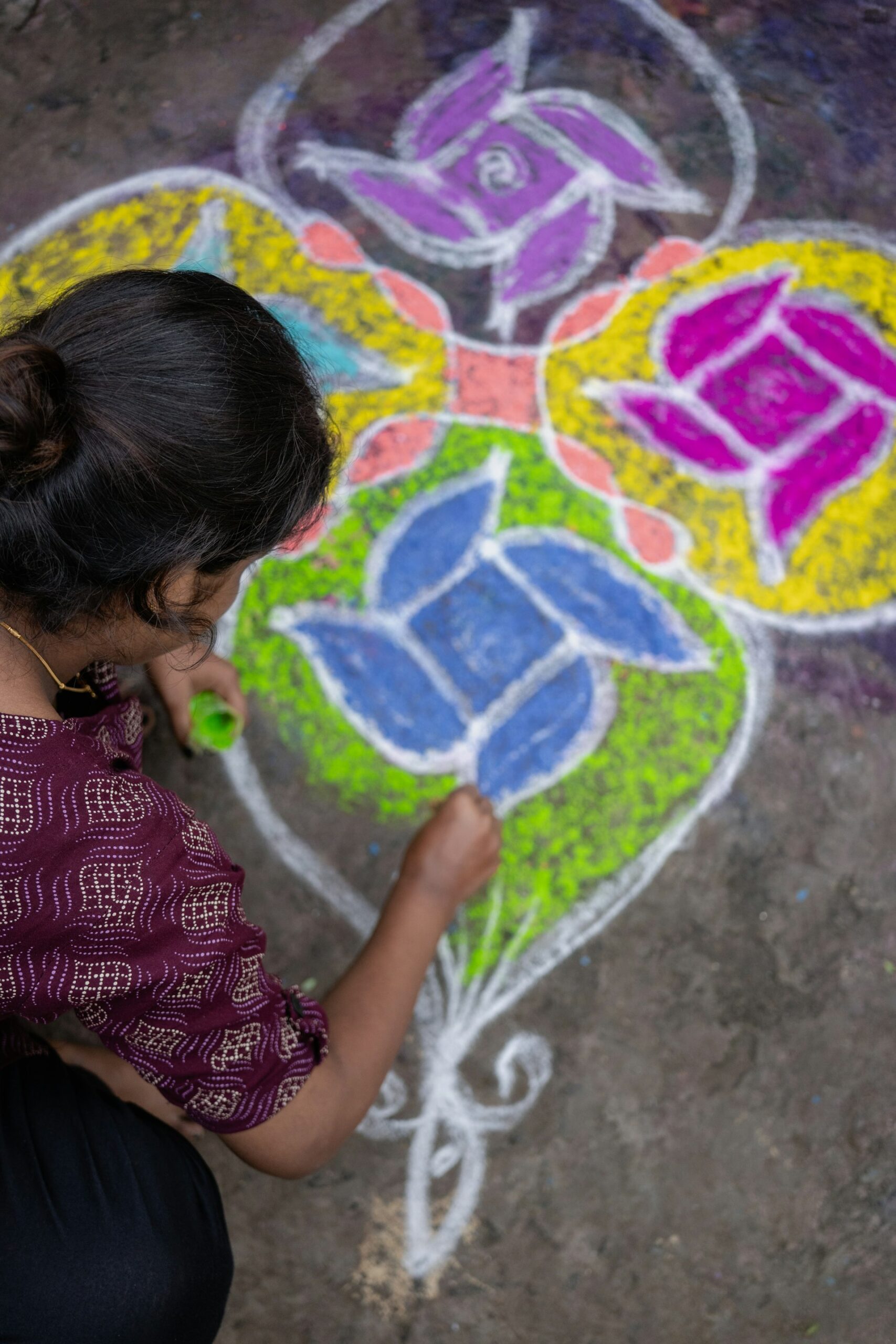
Deepavali celebrates the victory of light over darkness. Homes are lit with small oil lamps called vilakku, and families draw kolam at the door. Kolam is floor art made from coloured rice powder, designed to welcome guests and bring good fortune.
In Kuala Lumpur, the place to see it is Brickfields, the city’s Little India. In the weeks before the festival, the streets fill with stalls selling saris, flower garlands, brass lamps and sweets. Visit in the evening, when the lights are on and the bazaar is at its busiest.
Being a good guest
Malaysian hosts are relaxed and welcoming, and nobody expects a visitor to know every custom. A few simple manners go a long way.
- Shoes off at the door. A row of shoes outside is your cue.
- Use your right hand to eat, give and receive. The left hand is traditionally kept for personal hygiene.
- Point with your thumb, with your fingers folded, rather than with your index finger.
- Accept a second helping. Seconds are a compliment to the host and the cook.
- Dress modestly, with shoulders and knees covered, especially at a Hari Raya open house.
- Greet your host with the right phrase. Selamat Hari Raya, Gong Xi Fa Cai or Happy Deepavali all work.
You don’t need to bring a gift, but a box of biscuits, fruit or sweets is always welcome. If children are present, older relatives may hand out small money packets. Green packets are for Hari Raya, red for Chinese New Year and purple or yellow for Deepavali.
Merdeka Square, where Malaysia began
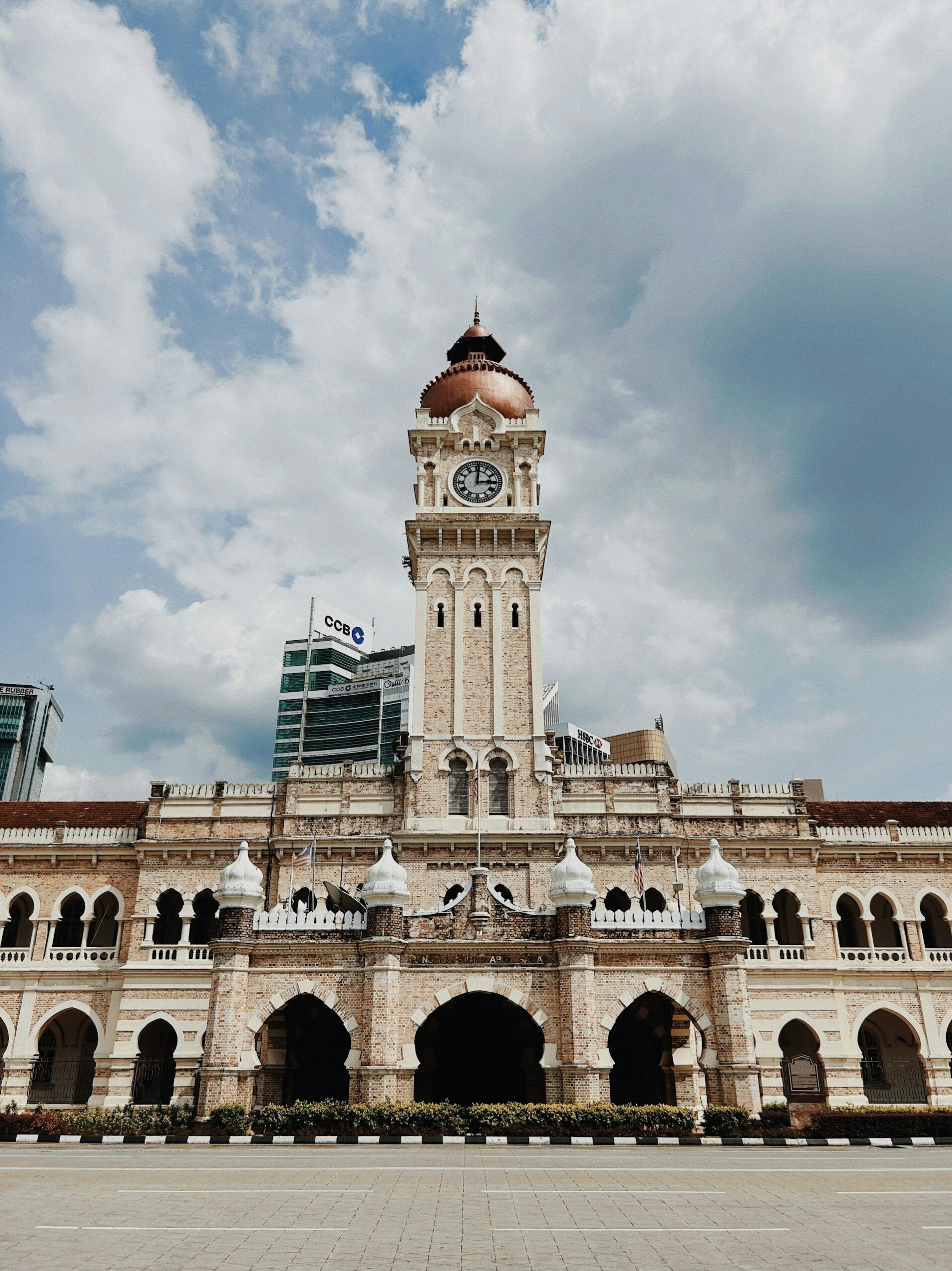
Merdeka Square in central Kuala Lumpur is where the country’s modern story starts. At midnight on 31 August 1957, the Union Flag was lowered and the Malayan flag was raised here for the first time, marking independence from Britain. Merdeka means independence in Malay.
Facing the square is the Sultan Abdul Samad Building, completed in 1897. It once housed the British colonial administration, and its copper domes and clock tower are now one of the city’s most photographed sights. Visit early in the morning or after dark, when the building is lit and the heat has eased.
Borneo and the person of the forest
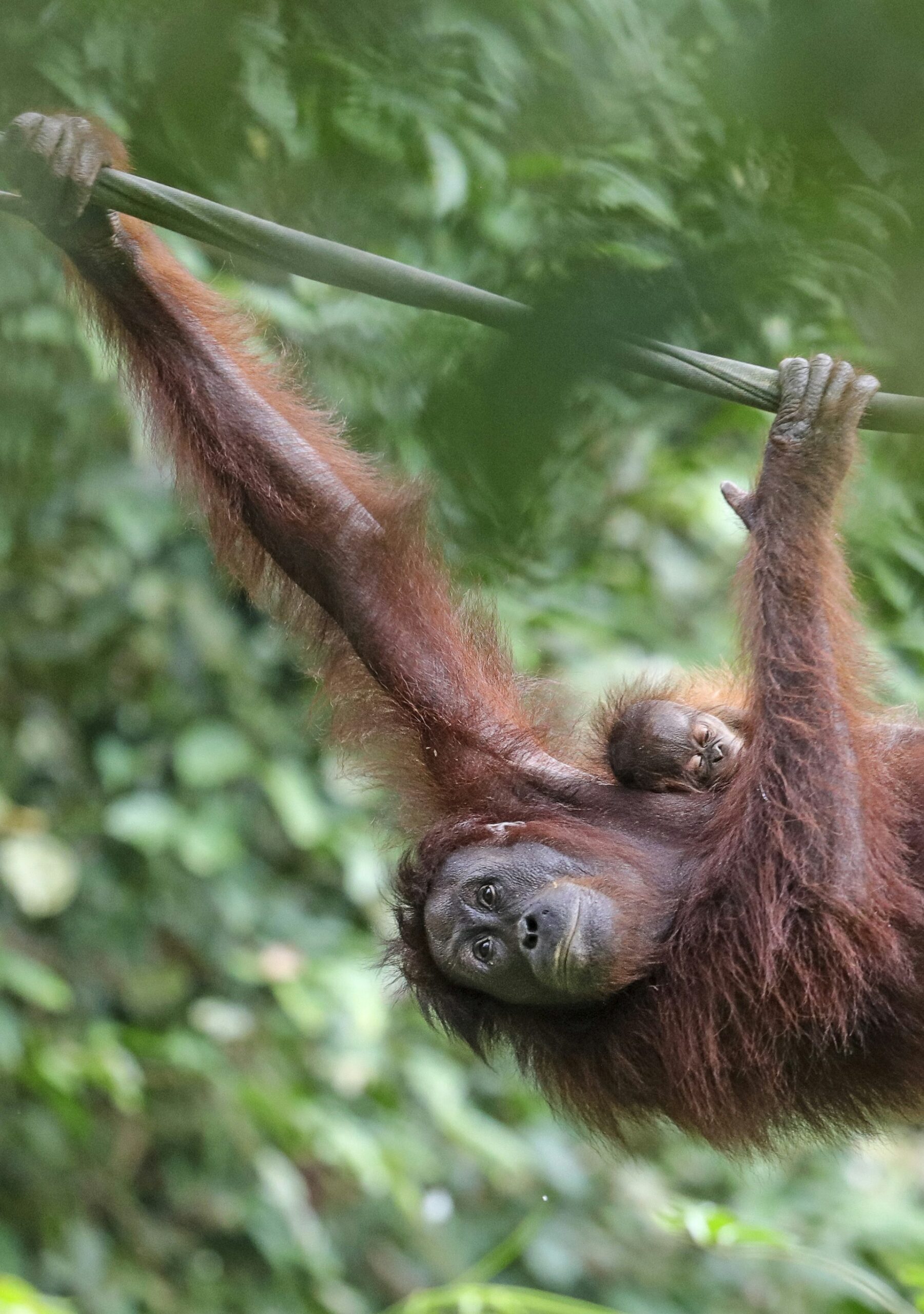
In Malay, orang means person and hutan means forest, so orang hutan means person of the forest. Malaysia’s two Borneo states, Sarawak and Sabah, protect orangutans in rainforest reserves you can visit.
| Centre | Nearest city | Feeding times |
|---|---|---|
| Semenggoh Wildlife Centre | Kuching, Sarawak | About 9am and 3pm |
| Sepilok Orangutan Rehabilitation Centre | Sandakan, Sabah | 10am and 3pm |
Sepilok opened in 1964 and was the first centre of its kind in the world. Arrive 30 to 45 minutes before feeding to get a good viewing spot. The orangutans live semi wild, so sightings are likely but never guaranteed, especially in fruit season when there’s plenty to eat in the forest.
Kuching, Sarawak’s riverside capital
Kuching is the capital of Sarawak and one of the most relaxed cities in Malaysia. Its waterfront promenade runs along the Sarawak River, facing the state assembly building on the north bank. The building’s golden, umbrella shaped roof is the city’s best known landmark.
Cross the river on a small wooden sampan boat, walk the old shophouse streets, and try Sarawak laksa for breakfast. Kuching is also the easiest base for Semenggoh, which is about 40 minutes away by road.
Common questions about Malaysia’s open house
Can tourists attend a Malaysian open house?
Yes. Many public open houses are hosted by governments, community groups and companies, and anyone is welcome. If a Malaysian friend or colleague invites you to their home, it’s polite to accept.
When is Deepavali 2026 in Malaysia?
Deepavali falls on Sunday 8 November 2026, with a replacement holiday on Monday 9 November in most states. It’s not a public holiday in Sarawak.
What should I bring to an open house?
A gift isn’t required. A box of biscuits, fruit or sweets is a kind gesture, and arriving with an appetite matters most.
Which hand should I eat with in Malaysia?
Use your right hand to eat, pass food and give or receive anything. This applies across all of Malaysia’s communities.


