Indonesia Beyond Bali: Komodo, Raja Ampat and Tana Toraja
Most visitors to Indonesia see Bali and fly home, yet Indonesia beyond Bali holds some of the country’s most memorable journeys. That leaves a lot of country unexplored. Indonesia counts 17,380 islands in its latest official survey, spread across more than 5,000km of ocean from Sumatra in the west to Papua in the east. It’s the largest archipelago on earth.

Three journeys beyond Bali show how varied it is. In Komodo National Park, dragons walk the beaches. In Raja Ampat, reefs hold more coral species than anywhere else on the planet. In the highlands of Sulawesi, the Toraja people keep traditions built around family, ancestors and their boat roofed houses.
Komodo National Park
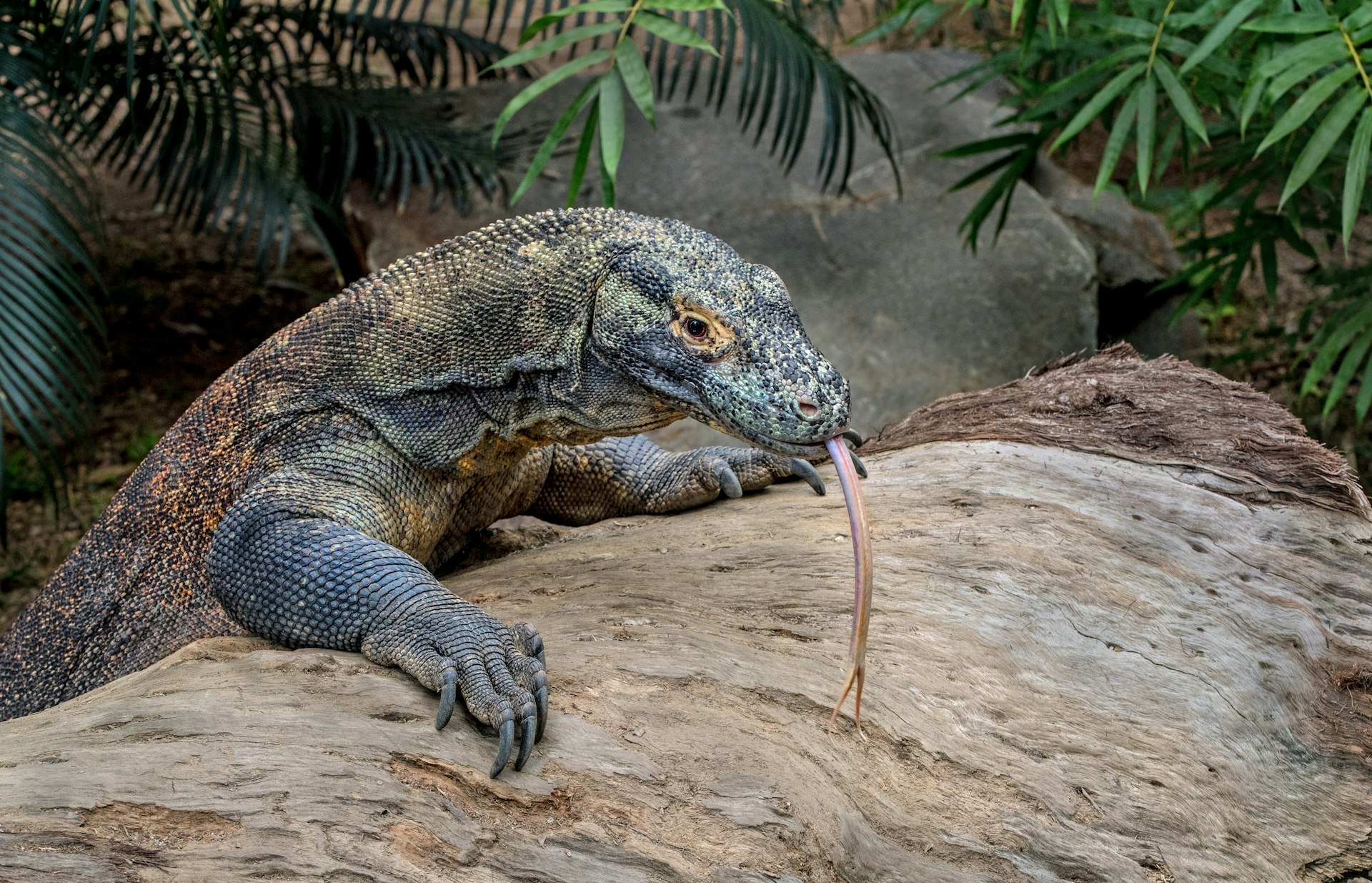
Komodo National Park lies between the islands of Sumbawa and Flores in East Nusa Tenggara. It was listed as a UNESCO World Heritage Site in 1991, and it’s the only place in the wild where you’ll find the Komodo dragon, the largest lizard on earth. Adults grow up to 3m long and can weigh more than 70kg.
Walks on Komodo and Rinca islands are always led by park rangers, who carry long forked sticks and keep groups at a safe distance. Treks range from short loops to longer walks of 2 hours or more. The dragons are most active in the cooler early morning.
- The gateway is Labuan Bajo, on the western tip of Flores, about 1 hour by air from Bali.
- Most visitors explore by boat, on a day trip by speedboat or on a 2 to 4 day trip aboard a phinisi, a traditional wooden sailing ship.
- Park visits are booked through an online reservation system, so most travellers book through a licensed operator who arranges permits and rangers.
- Foreign visitors pay around 650,000 rupiah in park fees for Komodo and Padar.
Combine the dragons with Padar Island, where a 30 minute climb leads to a view of three bays with pink, white and black sand, and with Pink Beach, where crushed red coral tints the sand. Snorkelling at Manta Point often brings close encounters with manta rays.

Raja Ampat, West Papua
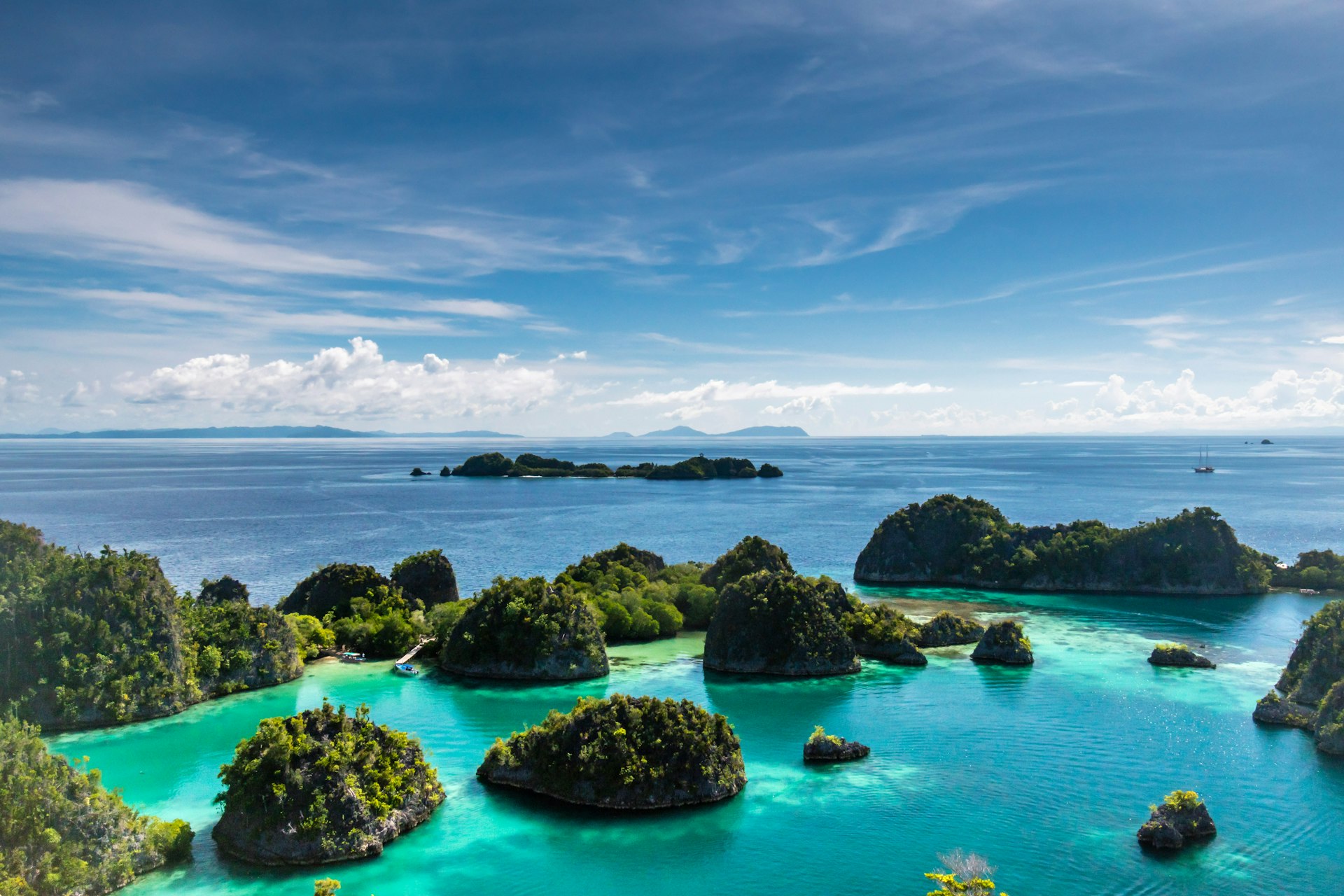
Raja Ampat is a group of around 1,500 islands off the north western tip of New Guinea. The name means the Four Kings, after the four main islands of Waigeo, Batanta, Salawati and Misool, and a local legend of 4 eggs that hatched into kings.
Its waters sit at the heart of the Coral Triangle, the marine region with the highest diversity of coral and reef fish on earth. Raja Ampat’s reefs hold about 75% of the world’s known coral species. Divers come for the sheer density of life, with reef fish gathering in their thousands and manta rays gliding through the channels.
- Fly to Sorong, usually via Jakarta or Makassar, then take the public ferry to Waisai on Waigeo. The crossing takes about 2 hours.
- Foreign visitors need a marine park permit of 1,000,000 rupiah, valid for 12 months. Children under 12 don’t need one. Permits are sold in Sorong, in Waisai and online.
- October to April brings the calmest seas. July and August can be windy in the south.
- Stays range from family run homestays built over the water to dive resorts and liveaboard boats.
The money from permits funds reef patrols and conservation work, and local communities manage parts of the marine area.
Piaynemo viewpoint
Piaynemo is a cluster of karst islets in the Fam Islands of Raja Ampat, and its viewpoint is the best known view in the region. Around 320 wooden steps lead up to a platform above a scatter of small limestone islands in clear turquoise water.
The climb takes around 15 minutes. Go early in the morning, before the speedboats from Waisai arrive and while the light is soft. The trip from Waisai takes about 2 hours by speedboat, so most visitors combine it with snorkelling stops on the way.
Tana Toraja, Sulawesi
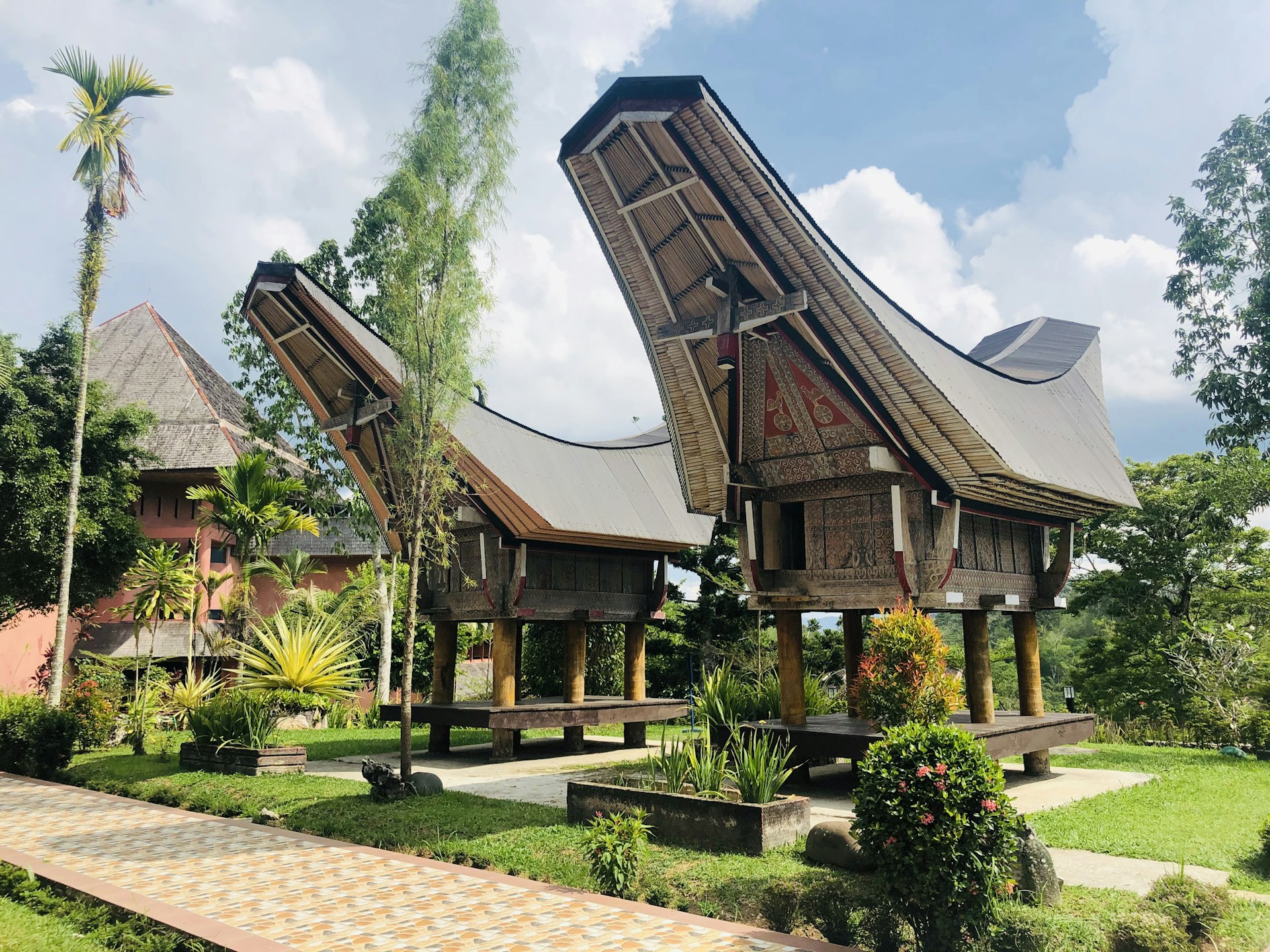
Tana Toraja sits in the highlands of South Sulawesi, about 300km north of Makassar. It’s home to the Toraja people, whose culture centres on family, ancestors and the journey of the soul after death.
The most recognisable sight is the tongkonan, an ancestral house with a sweeping roof shaped like a boat. Each one belongs to the same family across generations and serves as the centre of family ceremonies. Rows of buffalo horns on the front post show the status of the family and the funerals it has held.
- Ke’te Kesu, about 6km from the town of Rantepao, is a well preserved village of tongkonan and rice barns, with old graves on the cliff behind.
- Lemo is a cliff burial site with balconies of tau tau, carved wooden effigies of the dead that look out over the rice fields.
- Londa is a burial cave with coffins and tau tau at its entrance.
Rambu Solo, the Toraja funeral ceremony, can last several days and involves a whole village. The main season runs from after the harvest in about July to October, with July and August the busiest. Visitors are welcome if they come with a local guide. Bring a small gift for the family, dress in dark colours and follow your guide’s lead.
The road from Makassar takes 8 to 10 hours, often by overnight bus. Flights to Toraja’s small airport take about 1 hour but run less often.
Planning your route
These three places sit far apart, so it’s worth giving each one its own trip or allowing at least 2 weeks to combine them. Domestic flights connect through Bali, Jakarta and Makassar. Pack light, as smaller planes have tighter baggage limits, and carry cash for remote islands where card payment and cash machines are limited.
| Destination | Gateway | Best time |
|---|---|---|
| Komodo National Park | Labuan Bajo, Flores | April to December |
| Raja Ampat | Sorong, then Waisai | October to April |
| Tana Toraja | Makassar | June to September |
Common questions about Indonesia beyond Bali
How many islands does Indonesia have?
The latest official count is 17,380 islands, spread over more than 5,000km from Sumatra to Papua.
Is it safe to see Komodo dragons?
Yes, with a ranger. Every walk on Komodo and Rinca is guided, and rangers keep groups at a safe distance from the dragons.
When is the best time to dive Raja Ampat?
October to April brings the calmest seas and the most comfortable boat crossings.
How much is the Raja Ampat permit?
Foreign visitors pay 1,000,000 rupiah for a marine park permit valid for 12 months. Children under 12 are exempt.
Can visitors attend a funeral in Tana Toraja?
Yes. Funerals are public events, and guests are welcome with a local guide, a small gift for the family and respectful dark clothing.