Japan Etiquette: The Quiet Rules Every Visitor Should Know
Japan etiquette runs on small courtesies. Trains are quiet, streets are clean and queues form without anyone asking. Most of it comes from a simple idea: shared spaces should stay calm and pleasant for everyone.

Visitors aren’t expected to know every custom, and locals are patient with mistakes. Still, a few habits go a long way, and they’re easy to pick up. Here are the quiet rules that matter most, along with the practical changes travellers should know about in 2026.
Money, tipping and paying
Japan has no tipping culture. Good service is part of the price, and leaving extra money on the table can cause confusion, with staff sometimes chasing you down the street to return it. A sincere arigatou gozaimasu, the polite form of thank you, is the right way to show appreciation.
When you pay in a shop or restaurant, you’ll often see a small tray by the till. Place your cash or card on the tray rather than handing it over directly. Change comes back the same way.
- Restaurants usually bring the bill to your table, and you pay at the front counter on the way out.
- Card payments and IC transport cards are widely accepted in cities. Smaller restaurants and rural shops still prefer cash.
Trains and getting around
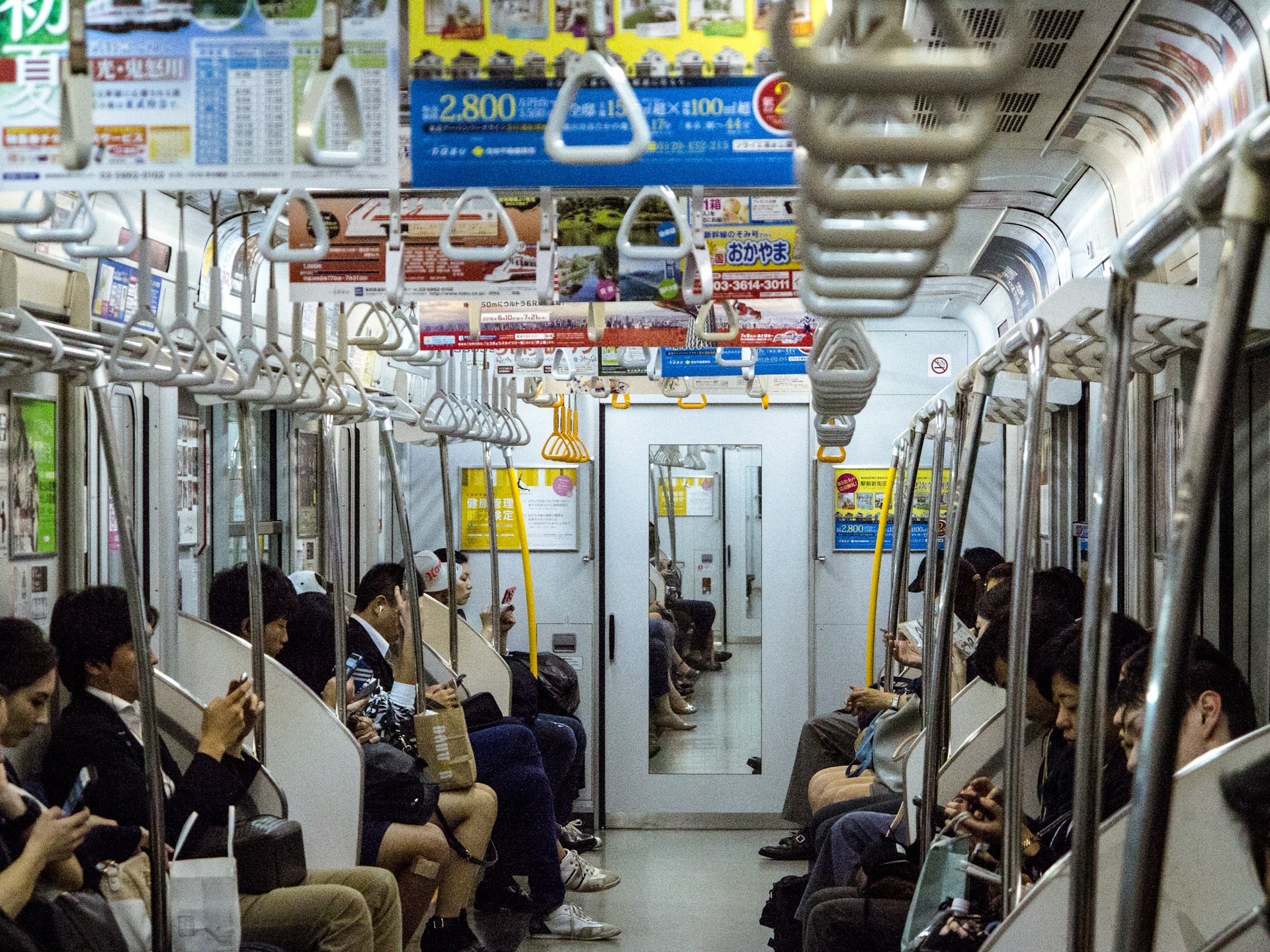
Japanese trains are some of the quietest public spaces you’ll ever ride in. Set your phone to manner mode, the local term for silent, and keep conversations low. Calls wait until you’re back on the platform.

- Priority seats near the carriage doors are for older passengers, pregnant women, parents with small children and people with disabilities. Give them up when someone needs one.
- Queue at the markings on the platform and let passengers off before you board.
- Wear your backpack on your front or put it on the luggage rack in busy carriages.
- Eating on local commuter trains is uncommon. On long distance trains such as the shinkansen, the bullet train, a packed lunch called an ekiben is part of the journey.
On escalators, Tokyo stands on the left and leaves the right side clear for people walking up. Osaka does the opposite. Kyoto is mixed, and the simple approach is to follow the person in front.
Some places now ask everyone to stand still on both sides. Saitama Prefecture introduced an ordinance asking people not to walk on escalators in 2021, and Nagoya followed in 2023. Neither carries a fine, but you’ll see signs asking you to stand and hold the handrail.
Eating and drinking
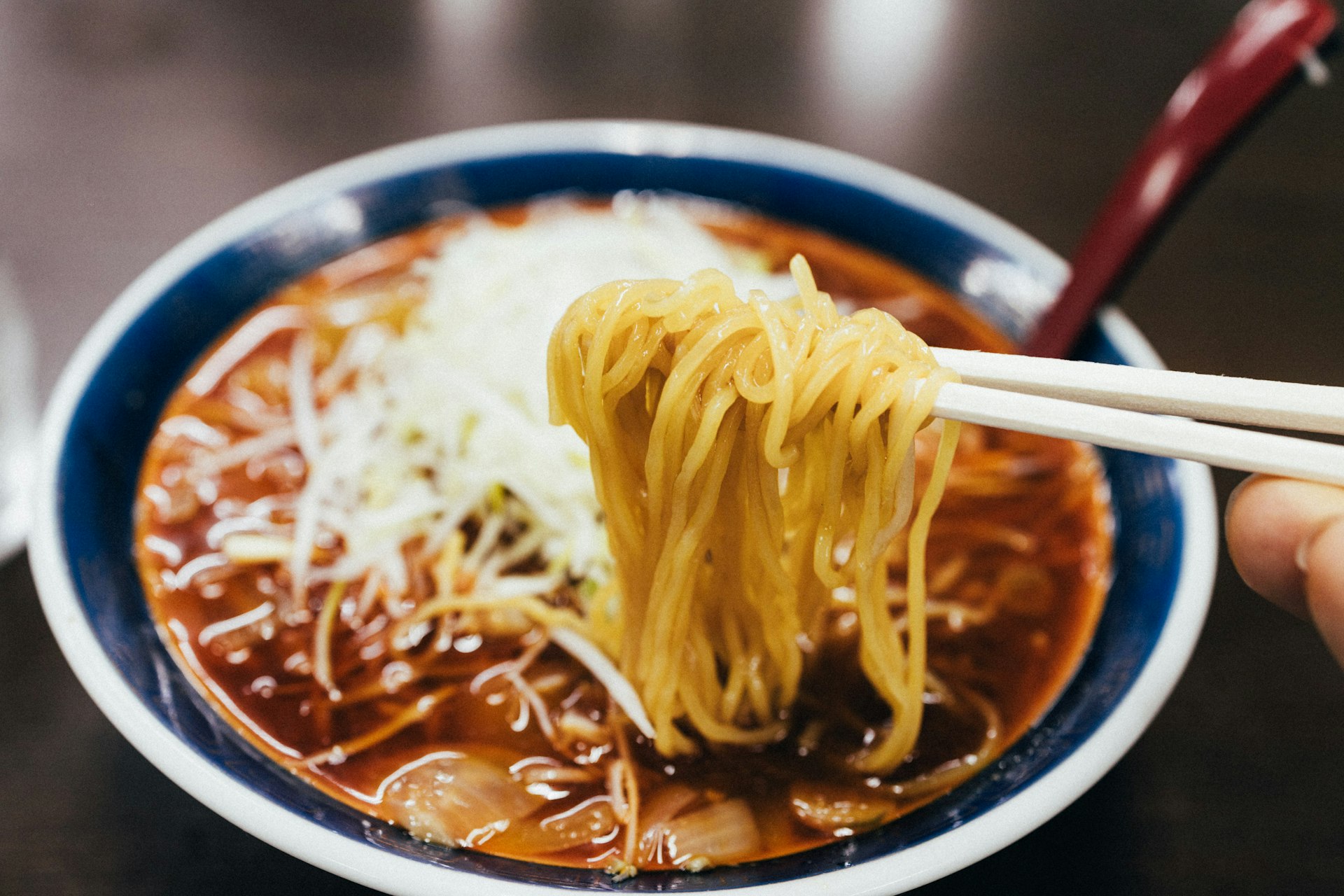
Slurp your noodles. It cools hot ramen or soba and tells the cook you’re enjoying it. Say itadakimasu before a meal and gochisousama deshita after it. Both are short, everyday expressions of thanks for the food.
Eating while walking is frowned upon in many places. There’s no national rule, but busy food streets such as Nishiki Market in Kyoto, a covered market lane known for its food stalls, and Nakamise in Asakusa, the shopping street leading to Senso-ji temple, ask visitors to eat beside the stall where they bought their food. Public bins are rare, so carry a small bag for rubbish and dispose of it at your hotel or at a convenience store.
Chopsticks carry meaning
Rest your chopsticks on the holder, called a hashioki, between bites. If there isn’t one, lay them across the edge of your bowl or on the paper sleeve they came in.
- Never stand chopsticks upright in rice. It mirrors the bowl of rice placed at the altar for the dead.
- Never pass food from one pair of chopsticks to another. It recalls a funeral rite in which family members pass the bones of the deceased.
- Avoid pointing with chopsticks or spearing food with them.
- When sharing from a common plate, turn your chopsticks around and use the clean ends, or use the serving chopsticks provided.
Shrines and temples
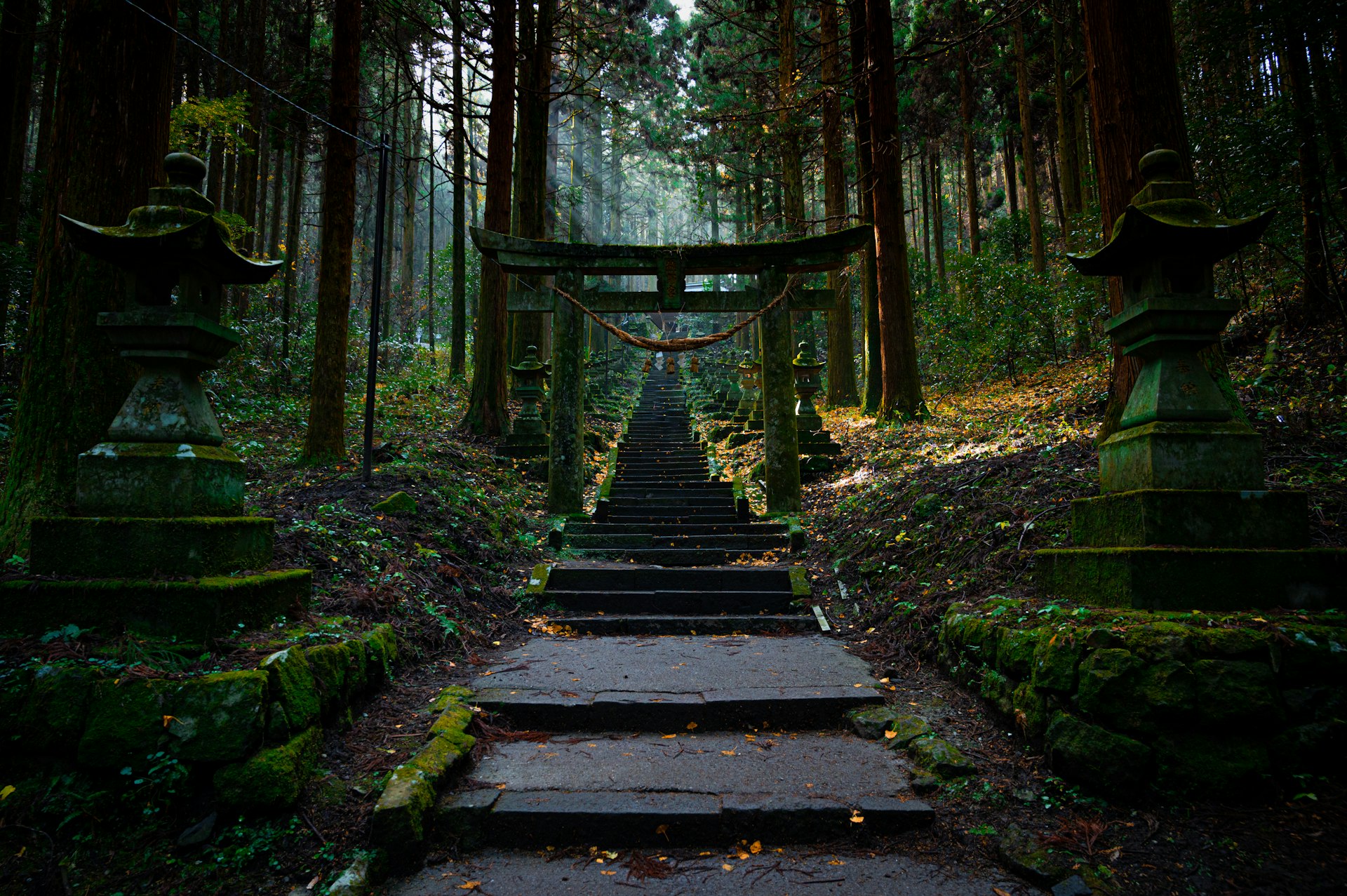
Shinto shrines and Buddhist temples welcome visitors, and a few simple steps show respect. A torii gate marks the entrance to a shrine. Bow once before passing through, and walk along the edges of the path. The centre is reserved for the gods.
At the stone basin, called a temizuya, purify yourself with one scoop of water.
- Hold the ladle in your right hand and rinse your left hand.
- Switch hands and rinse your right hand.
- Pour a little water into your cupped left hand, rinse your mouth and spit discreetly to the side. Never drink from the ladle.
- Rinse your left hand again, then tilt the ladle upright so the remaining water runs down the handle.
At the main hall of a shrine, drop a coin in the offering box, ring the bell if there is one, then bow twice, clap twice and bow once more. At Buddhist temples you don’t clap. A quiet bow with your palms together is enough.
Shoes come off before you step onto tatami mats or raised wooden floors, at temples, traditional inns and homes alike. Look for a sunken entrance area, called a genkan, as your cue. Toilets often have their own slippers, so remember to switch back as you leave.
At the onsen
An onsen is a natural hot spring bath, and bathing in one is a shared ritual with clear rules.
- Shower fully at the washing stations before entering the bath, sitting on the small stool provided.
- Bathing is nude in traditional baths, and they’re separated by gender.
- Small towels stay out of the water. Many bathers fold theirs on their head.
- Tie up long hair so it stays out of the water.
- Many baths ask guests to cover tattoos, and some still refuse entry. Check the policy before you go. Cover patches or a private family bath, called a kashikiri, are often good options.
What’s new for visitors in 2026
From 1 July 2026, Japan’s international departure tax rose from 1,000 yen to 3,000 yen per person. It’s usually collected through your air or ferry ticket, so most travellers won’t pay it separately.
From 1 November 2026, tax-free shopping changes. Visitors will pay the full price, including consumption tax, in the shop and claim the tax back when they leave Japan. The minimum spend stays at 5,000 yen before tax at one store on one day, and purchases must leave the country within 90 days. Allow extra time at the airport for the customs step before check-in.
Common questions about Japan etiquette
Should I tip in Japan?
No. Service is included in the price, and a polite thank you is the expected way to show appreciation.
Can I talk on the phone on Japanese trains?
Calls are best avoided on board. Set your phone to silent and wait until you’re on the platform to take a call.
Can I visit an onsen with tattoos?
It depends on the bath. Many ask guests to cover tattoos, and some refuse entry. Check before you go, or book a private bath.
Which side of the escalator should I stand on?
Stand on the left in Tokyo and on the right in Osaka. In Saitama and Nagoya, local ordinances ask everyone to stand still on both sides.
How much is Japan’s departure tax in 2026?
It’s 3,000 yen per person for departures from 1 July 2026, usually included in your ticket price.